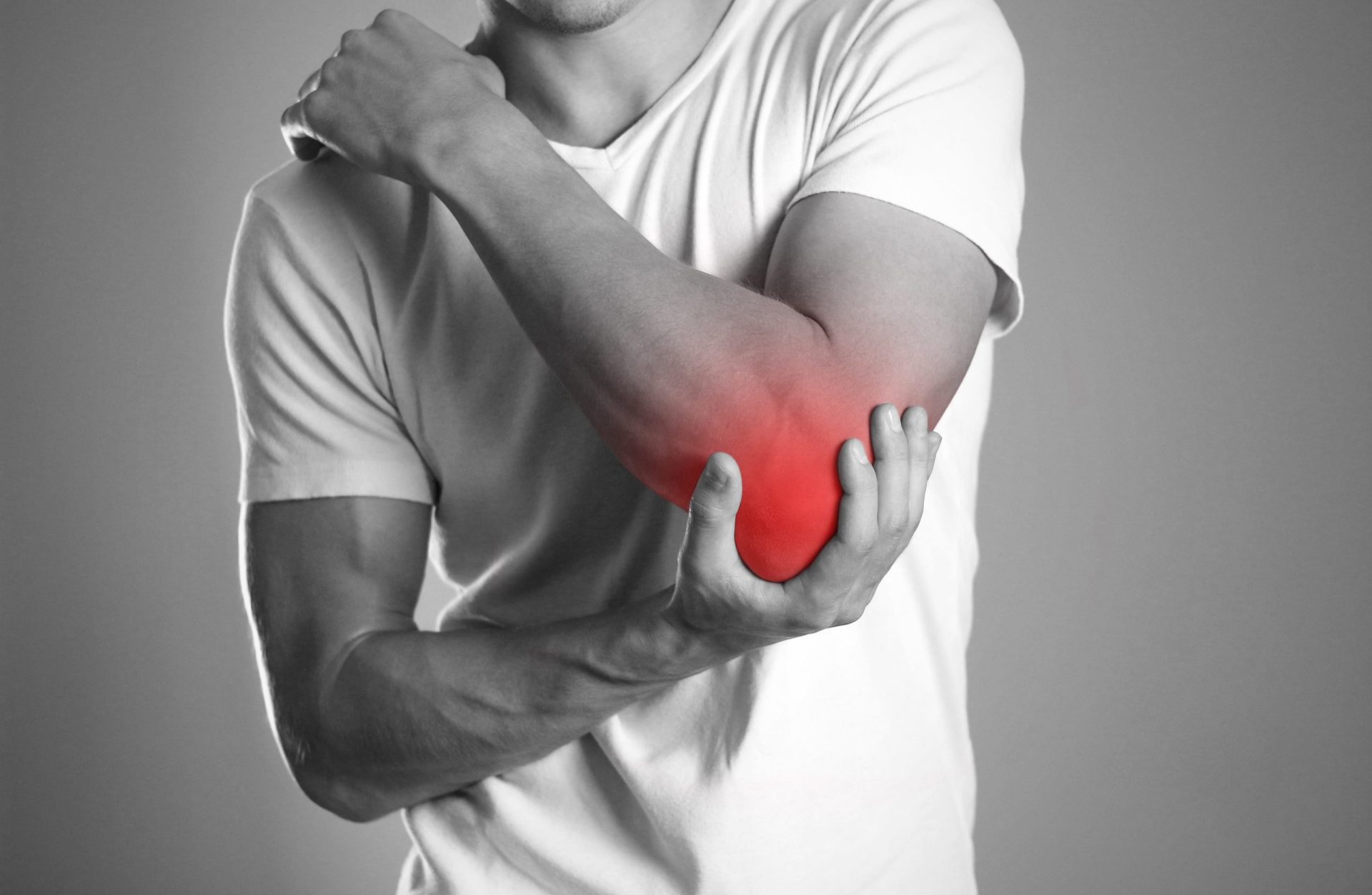
Tennis elbow is a common condition that can make gripping, lifting, typing, opening containers, exercising, and other everyday activities uncomfortable. Despite its name, tennis elbow does not only affect tennis players. Repetitive use of the wrist and forearm can contribute to pain around the outside of the elbow, affecting athletes, office workers, tradespeople, musicians, and people involved in household or recreational activities.
Modern Tennis Elbow Treatment Dubai focuses on understanding why the symptoms developed and gradually restoring the strength and capacity of the affected muscles and tendons. Physiotherapy can combine exercise, manual techniques, activity modification, education, and other appropriate treatments to help patients return to their normal activities.
Vitruvian Italian Physiotherapy Center provides physiotherapy and rehabilitation services in Dubai and offers treatment approaches designed around individual musculoskeletal conditions and functional goals.
What Is Tennis Elbow?
Tennis elbow, clinically known as lateral elbow tendinopathy or lateral epicondylitis, usually causes pain and tenderness around the outside of the elbow. The condition involves the tendons associated with the muscles that extend the wrist and fingers.
These muscles are heavily involved in activities requiring gripping, lifting, twisting, and repetitive wrist movements.
Although tennis can contribute to the condition, most people with tennis elbow do not actually play tennis. Repetitive occupational and recreational activities can also place considerable stress on the forearm.
What Causes Tennis Elbow?
Tennis elbow often develops when the forearm is exposed to repeated or increased loading without enough opportunity to adapt.
Potential contributing activities include:
- Repetitive gripping
- Frequent wrist movements
- Computer and mouse use
- Manual work
- Gardening
- DIY activities
- Using tools
- Lifting objects
- Racket sports
- Throwing activities
- Playing certain musical instruments
A sudden increase in activity can also contribute to symptoms. For example, someone who begins a new exercise routine involving gripping or lifting may experience elbow pain if the workload increases faster than the tissues can tolerate.
Understanding these contributing factors is an important part of Tennis Elbow Treatment Dubai, because rehabilitation should address not only the painful area but also the activities that may be placing excessive demands on it.
Common Symptoms of Tennis Elbow
The most recognizable symptom is pain on the outside of the elbow.
Other symptoms can include:
- Tenderness around the outer elbow
- Pain when gripping objects
- Discomfort when lifting
- Pain with wrist movements
- Forearm discomfort
- Reduced grip strength
- Elbow stiffness
- Difficulty fully straightening the arm
- Pain during repetitive activities
Symptoms can range from mild discomfort to persistent pain that interferes with work, exercise, and sleep.
How Tennis Elbow Is Diagnosed
A physiotherapist or healthcare professional can usually begin with a detailed history and physical examination.
The assessment may consider:
- Where the pain is located
- When symptoms began
- Changes in recent activity
- Work-related movements
- Sports participation
- Grip strength
- Wrist movement
- Elbow mobility
- Shoulder and upper-limb movement
- Activities that increase symptoms
Specific resisted movements may be used to reproduce symptoms and assess the involved muscles and tendons.
Other parts of the arm may also be examined because the neck, shoulder, wrist, and elbow can influence upper-limb function.
Imaging is not routinely required for every case of tennis elbow. However, additional medical investigation may be appropriate when the diagnosis is uncertain or symptoms do not follow the expected pattern.
Why Physiotherapy Is Important for Tennis Elbow
Physiotherapy can provide a structured approach to restoring movement and gradually increasing the capacity of the forearm.
A modern rehabilitation program may address:
- Pain management
- Elbow mobility
- Wrist mobility
- Forearm strength
- Grip strength
- Tendon loading
- Shoulder and upper-limb mechanics
- Work activities
- Sports technique
- Home exercise
Exercise and activity modification are important components of conservative management for tennis elbow.
For this reason, Tennis Elbow Treatment Dubai can be more effective when it focuses on progressive rehabilitation rather than relying entirely on passive treatments.
Modern Tennis Elbow Treatment Techniques
Modern physiotherapy uses several techniques depending on the individual's symptoms, physical findings, and goals.
A treatment program may incorporate:
- Progressive strengthening
- Isometric exercises
- Eccentric exercises
- Concentric strengthening
- Stretching
- Manual therapy
- Joint mobilization
- Soft-tissue techniques
- Activity modification
- Ergonomic education
- Functional rehabilitation
The precise combination should be determined following an appropriate assessment.
Progressive Strengthening for Tennis Elbow
Progressive strengthening is an important part of rehabilitation.
The forearm muscles need to gradually become capable of tolerating the loads involved in daily activities. Rather than avoiding all use of the arm, rehabilitation can introduce controlled loading and increase resistance as physical capacity improves.
Exercises may begin with low-resistance movements and progress toward:
- Wrist extension exercises
- Wrist flexion exercises
- Forearm rotation
- Grip strengthening
- Resistance-band exercises
- Light weight training
- Functional lifting exercises
Exercise programs should be individualized because the appropriate resistance and progression can vary considerably between patients.
Evidence-based physiotherapy guidance describes progression from gentle exercises toward resistance-band or weight-based strengthening as symptoms improve.
Isometric Exercises
Isometric exercises involve contracting a muscle without creating significant movement at the joint.
For tennis elbow rehabilitation, an isometric wrist exercise may involve maintaining the wrist in a stable position while applying controlled resistance.
These exercises can provide an early way of introducing muscular loading.
As the patient's tolerance improves, the rehabilitation program can progress toward dynamic strengthening.
Eccentric Exercises
Eccentric exercises involve controlled lengthening of a muscle while it is under tension.
For the forearm, this can involve slowly lowering the wrist against resistance.
Eccentric loading is commonly included in tendon rehabilitation programs because it provides a controlled way to progressively challenge the affected tissues.
The resistance should be appropriate to the individual's current ability and increased gradually.
Concentric and Functional Strengthening
As rehabilitation progresses, exercises can involve both lifting and lowering movements.
Patients may eventually perform:
- Wrist curls
- Reverse wrist curls
- Forearm rotations
- Grip exercises
- Resistance-band movements
- Light dumbbell exercises
Functional strengthening can then connect these exercises to everyday activities.
For example, someone whose job involves lifting tools may eventually need exercises that reproduce the gripping, lifting, and carrying demands of their occupation.
Stretching and Mobility Exercises
Stiffness in the wrist, forearm, or elbow can affect movement.
Gentle stretching may be incorporated to improve flexibility and reduce movement limitations.
Commonly used movements may target the wrist extensor muscles by positioning the arm straight and gently moving the wrist into a stretch.
Stretching should remain controlled rather than aggressive. Rehabilitation guidance recommends gradual exercise and avoiding activities that significantly worsen symptoms.
Manual Therapy
Manual therapy can be used as an additional component of physiotherapy.
Depending on the assessment, techniques may include:
- Soft-tissue treatment
- Joint mobilization
- Massage
- Mobilization of surrounding structures
The purpose is generally to help improve movement and comfort so the patient can participate more effectively in active rehabilitation.
For Tennis Elbow Treatment Dubai, manual therapy may therefore be combined with strengthening rather than being used as the only intervention.
Activity Modification
Completely stopping all activity is not always necessary.
Instead, a physiotherapist can help identify which movements are aggravating symptoms and determine how they can be temporarily modified.
Examples include:
- Reducing repetitive gripping
- Taking regular breaks
- Changing lifting techniques
- Using lighter tools where appropriate
- Adjusting computer activities
- Modifying exercise routines
- Temporarily reducing repetitive wrist movements
The goal is to manage the load while maintaining appropriate activity.
NHS guidance similarly recommends reducing or modifying activities that aggravate tennis elbow symptoms.
Tennis Elbow and Computer Work
Office workers can develop tennis elbow despite spending most of their day at a desk.
Typing, prolonged mouse use, repetitive clicking, and sustained wrist positions can contribute to forearm loading in some individuals.
A rehabilitation program may therefore consider:
- Mouse positioning
- Keyboard setup
- Wrist position
- Desk height
- Frequency of breaks
- Alternative methods of performing repetitive tasks
- Forearm strengthening
Regular movement breaks can help reduce prolonged repetitive loading.
Tennis Elbow in Athletes
Athletes involved in racket sports, throwing sports, weight training, and other activities requiring repetitive arm movements may experience tennis elbow.
For athletes, rehabilitation should eventually address the specific demands of their sport.
This can involve:
- Grip assessment
- Equipment considerations
- Technique
- Forearm strength
- Shoulder strength
- Wrist control
- Coordination
- Gradual return to training
A tennis player, for example, may eventually need sport-specific exercises that reproduce racket handling and stroke-related demands.
Tennis Elbow for Manual Workers
People working in construction, maintenance, plumbing, gardening, manufacturing, and other physically demanding occupations may repeatedly grip, lift, twist, or operate tools.
For these individuals, simply reducing pain may not be enough.
Rehabilitation should also help rebuild the capacity needed to perform occupational tasks.
A physiotherapist can help identify movements that place excessive stress on the forearm and suggest appropriate modifications while the tissues recover.
The Importance of Grip Strength
Grip strength is closely connected to forearm function.
When tennis elbow is painful, patients may unconsciously reduce how strongly they grip objects. Over time, this can contribute to weakness and reduced confidence.
Once symptoms allow, progressive grip exercises may become part of rehabilitation.
These can include:
- Soft-ball squeezing
- Hand-grip exercises
- Controlled carrying
- Resistance exercises
- Functional gripping activities
The resistance should be increased gradually according to the patient's tolerance.
Shoulder and Upper-Body Rehabilitation
Tennis elbow treatment does not always need to focus exclusively on the elbow.
The shoulder blade, shoulder, and upper back contribute to how forces are transferred through the upper limb.
If an individual has weakness or poor movement control elsewhere in the upper body, a physiotherapist may incorporate exercises addressing those areas.
This can create a more comprehensive rehabilitation strategy.
Modern Pain Management Strategies
Pain management can be an important part of rehabilitation, especially during the early stages.
Depending on the patient, physiotherapy may incorporate:
- Activity modification
- Gentle movement
- Exercise
- Manual techniques
- Heat or cold applications
- Appropriate supportive devices
Some patients may also use medication under appropriate medical or pharmacy guidance.
The purpose of pain management is to make appropriate movement and rehabilitation more manageable rather than simply masking symptoms.
The Role of Braces and Forearm Supports
Some people find a forearm strap, wrist support, or elbow brace helpful during certain activities.
These devices may temporarily alter the load placed on the painful area and make specific tasks more comfortable.
However, a brace should not automatically replace rehabilitation.
A physiotherapist can help determine whether a support is appropriate and how it should be incorporated into an overall recovery plan.
Shockwave and Other Physiotherapy Modalities
Some physiotherapy clinics use additional modalities as part of treatment for persistent tendon-related conditions.
Depending on the patient's assessment, these may include:
- Shockwave therapy
- Ultrasound
- Electrotherapy
- Other therapeutic modalities
These treatments may be considered alongside exercise and rehabilitation rather than automatically replacing progressive strengthening.
The suitability of any modality should be determined by the treating professional.
How Vitruvian Italian Physiotherapy Center Can Support Tennis Elbow Rehabilitation
Vitruvian Italian Physiotherapy Center provides physiotherapy and rehabilitation services in Dubai and can be considered by patients seeking professional support for musculoskeletal conditions.
Its physiotherapy approach includes individualized assessment and treatment, with services involving exercise therapy, manual techniques, rehabilitation, and therapeutic modalities.
For individuals considering Tennis Elbow Treatment Dubai, a professional physiotherapy assessment can help identify contributing factors and establish an appropriate rehabilitation pathway based on symptoms, occupation, sports participation, and functional goals.
The emphasis on individualized treatment can be particularly useful because tennis elbow can affect people with very different physical demands.
Home Exercises for Tennis Elbow
Home rehabilitation is often an important part of physiotherapy.
A program may include exercises designed to improve:
- Wrist strength
- Forearm strength
- Grip
- Flexibility
- Elbow movement
- Functional capacity
Patients may begin with easier exercises and gradually increase resistance.
Physiotherapy guidance recommends gradual loading rather than suddenly introducing demanding resistance exercises.
The specific exercises, repetitions, frequency, and resistance should be determined according to the individual's condition.
How Long Does Tennis Elbow Take to Improve?
Tennis elbow can take time to settle.
Some people experience significant improvement over several weeks, while others may have symptoms that persist for considerably longer. NHS guidance notes that tennis elbow often improves with time but can sometimes last for a year or more.
Recovery depends on factors such as:
- Severity of symptoms
- Duration of the condition
- Activity levels
- Occupational demands
- Exercise consistency
- General strength
- Previous injuries
- How quickly aggravating activities are modified
For this reason, Tennis Elbow Treatment Dubai should be viewed as a progressive process rather than a treatment that guarantees immediate results.
Tracking Progress During Rehabilitation
Progress can be measured in several ways.
Instead of focusing only on pain levels, patients and physiotherapists can consider:
- Improved grip strength
- Increased wrist strength
- Better elbow movement
- Reduced discomfort during daily activities
- Improved ability to lift
- Greater exercise tolerance
- Improved sports performance
- Increased confidence using the affected arm
These functional improvements can help determine whether the rehabilitation program is working effectively.
Returning to Normal Activities
Returning to normal activity should generally be progressive.
For example, an athlete may first return to light training before progressing to more demanding sessions.
An office worker may gradually increase computer use while incorporating appropriate breaks.
A manual worker may progressively resume heavier lifting or repetitive tasks.
This gradual approach allows the forearm to adapt to increasing demands.
Preventing Recurrence
Once symptoms improve, continuing appropriate strengthening can help maintain the capacity of the forearm muscles.
Prevention strategies may include:
- Maintaining forearm strength
- Warming up before demanding activities
- Avoiding sudden increases in workload
- Taking breaks during repetitive tasks
- Improving sports technique
- Reviewing equipment when appropriate
- Maintaining general upper-body strength
- Continuing mobility exercises
The goal is to ensure that the muscles and tendons can tolerate the activities they are regularly exposed to.
When to Seek Professional Assessment
Professional assessment can be useful if elbow pain:
- Persists despite activity modification
- Interferes with work
- Limits exercise
- Reduces grip strength
- Prevents normal daily activities
- Keeps returning
- Does not improve with appropriate self-care
NHS guidance recommends seeking medical advice when elbow pain continues after a period of rest and self-care.
An assessment can also help distinguish tennis elbow from other causes of elbow or forearm pain.
Why Individualized Treatment Matters
Tennis elbow is not identical in every patient.
A tennis player may require technique and sport-specific rehabilitation, while an office worker may need ergonomic changes and forearm strengthening. A manual worker may need occupational load management, while a gym enthusiast may require modifications to resistance training.
This makes individualized care an important part of Tennis Elbow Treatment Dubai.
At Vitruvian Italian Physiotherapy Center, treatment can be structured around the individual's symptoms, physical assessment, lifestyle, and rehabilitation objectives.
The Connection Between Treatment and Active Living
The ultimate objective of rehabilitation is to help patients return to meaningful activities.
For one person, success may mean typing comfortably at work. For another, it may mean playing tennis again. Someone else may want to lift weights, work with tools, garden, or carry household items without persistent elbow discomfort.
A modern rehabilitation program therefore looks beyond the painful area and considers what the patient needs their arm to do.
Final Thoughts
Tennis elbow can interfere with work, sport, exercise, and everyday activities, but a structured rehabilitation program can help restore movement, strength, and functional capacity.
Effective Tennis Elbow Treatment Dubai may combine progressive strengthening, mobility exercises, manual therapy, activity modification, patient education, and appropriate therapeutic techniques. Exercise-based rehabilitation is an important part of modern management, with gradual loading helping the forearm adapt to everyday and sporting demands.
Vitruvian Italian Physiotherapy Center provides physiotherapy and rehabilitation services in Dubai and can support patients through individualized assessment and treatment strategies.
Ultimately, successful Tennis Elbow Treatment Dubai is about more than reducing elbow pain. The broader goal is to rebuild the strength and capacity needed for normal movement, work, exercise, sport, and an active lifestyle. With appropriate professional guidance and consistent rehabilitation, patients can progressively work toward using their arm with greater comfort and confidence.