The 48-Team World Cup, Six Weeks On: Spain's Title and the Format Verdict
Spain beat Argentina 1-0 after extra time to win the first 48-team World Cup. Six weeks on, here is what the expanded format got right and what it got wrong.
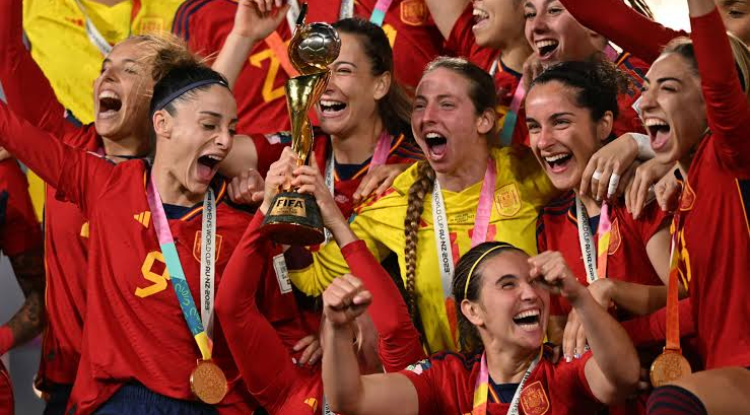
Spain are world champions again. They beat Argentina 1-0 after extra time in the final on 19 July 2026 at the stadium in New Jersey, a single goal from Ferran Torres settling a tight, cautious match in front of a crowd north of 80,000. It is Spain's second World Cup, 16 years after their first in 2010. England took third place, beating France in a remarkable bronze-medal match, their best tournament finish since 1966.


Spain's second star
This Spain side won the way the 2010 side did: not by overwhelming opponents but by controlling territory, defending the edges of their box well, and taking one of the few clear chances a knockout match offers. The generation that came through the youth ranks in the early 2020s has now delivered a senior title, which quietens the long-running debate about whether Spain's possession model could still win the biggest prize in an era of quick transitions and low blocks. On this evidence, with the right players, it can.
Argentina will feel they were close. A defensively organised final that turns on one moment is the kind of match that could have gone either way, and extra time flattered neither side going forward.
Did 48 teams work?
The expanded format added 16 nations and a new group structure, taking the tournament to 104 matches. The case for it was always about access — more countries, more first-time qualifiers, more of the world with a direct stake. On that measure it delivered: several nations experienced World Cup football for the first time, and the group stage produced a handful of results that would have been unthinkable a decade ago.
The case against was dilution, and that was visible too. A number of group matches were mismatches, and the sheer volume made it hard for a casual viewer to follow a narrative. The knockout rounds, once reached, were as good as ever.
The travel and heat problem
The tournament's genuine failure was environmental. Matches played in the middle of a North American summer, in some cases in cities with extreme afternoon heat and in stadiums without adequate shade or cooling, produced slow, attritional football and raised legitimate player-welfare concerns. Long internal flights between venues added load. This is the clearest lesson for organisers: kick-off times and host-city selection have to be driven by playing conditions, not broadcast windows.
What carries into 2030
The 48-team format is here to stay through at least 2030. The adjustments worth making are at the margins: tighter scheduling to cut travel, protected rest days, and a hard look at whether every host city can actually stage summer football safely. The football itself, when it mattered, was fine. The framing around it needs work. Read more blogs and updates on SportsAffairs BD.
FAQ
Who won the 2026 World Cup?
Spain, beating Argentina 1-0 after extra time in the final on 19 July 2026.
Who scored the winning goal?
Ferran Torres, in extra time.
How many World Cups has Spain now won?
Two — 2010 and 2026.
Who finished third?
England, who beat France in the bronze-medal match for their best World Cup finish since 1966.
What's Your Reaction?