Buying a Home? Here's What a Pest Inspection Actually Checks For
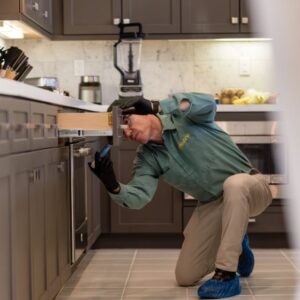
A structural pest inspection is not always required when buying a home, but a lender, seller, or purchase agreement may call for one. That matters because a standard home inspection and a pest inspection look at different concerns.


A pest inspection can uncover termites, wood-destroying organisms, moisture-related damage, or conditions that could lead to costly repairs. For buyers, finding those issues early can make a big difference before the purchase is finalized.
A Pest Inspection Is Not the Same as a Home Inspection
A home inspection looks at major parts of the property, such as plumbing, electrical systems, structural components, and other essential areas. A structural pest inspection has a narrower purpose. It looks for household pests and, importantly, wood-destroying pests and organisms that can affect the building. This type of pest control inspection in Irvine, CA, can give you a clearer picture of hidden pest risks before you buy.
That difference is easy to miss when you are busy thinking about the offer price, mortgage, and closing costs. Yet termites or damaged wood can turn a seemingly good deal into a costly repair project.
What Does the Inspector Actually Look For?
The inspection focuses on visible and accessible portions of the property. California regulations describe a complete report as an inspection of all visible and accessible portions of a structure. Areas that cannot be reached may need further inspection later if access is provided.
The inspector may look for signs such as:
-
Termite activity or evidence of past activity
-
Wood damaged by insects or other organisms
-
Conditions that make infestation more likely
-
Damaged structural wood
-
Moisture-related conditions that can contribute to pest problems
-
Areas around the foundation, crawl spaces, attics, and other accessible parts of the structure
The report is not simply a statement saying "no bugs found." California requirements call for reports to identify infestations or evidence of them, along with wood members damaged by wood-destroying pests or organisms. Reports also identify conditions that can make a property more vulnerable to infestation.
Termites Get a Lot of Attention for a Reason
Termites can remain hidden for a long time. You might see clean walls, fresh paint, and a well-kept yard while damage is developing somewhere less visible.
An inspection can help identify evidence of wood-destroying organisms and damage that may not stand out during a casual walk through the house. California's Structural Pest Control Board specifically notes that many lenders require homes to be inspected for wood-destroying pests and organisms before financing.
That is one reason buyers often look for the best pest control companies in San Diego when purchasing a property in the area. A qualified inspection gives them more information before they take on a long-term financial obligation.
What About Areas You Cannot See?
This is one of the most important details for buyers to understand. A pest inspector cannot magically see through walls, floors, or permanently covered areas. California rules distinguish between complete and limited inspections. A limited report covers only specified parts of a structure and should identify the areas inspected and recommend further inspection when needed.
Suppose a crawl space is blocked or part of the structure cannot be safely accessed. The report may point this out rather than pretending the area is clear. That is useful information, not a failure. It tells you there is a gap in what was examined and gives you a reason to ask questions before moving forward.
The Report Can Reveal More Than Active Infestation
Finding live termites is not the only concern. A property may have old damage, damaged wood, or conditions that could encourage future pest activity. California's reporting requirements include evidence of infestation or infection, damaged wood members, and conditions considered likely to lead to infestation or infection.
For a buyer, those details can change the conversation. You may ask the seller to address certain repairs. You may request another inspection after work is completed. You may also decide that the property's condition no longer fits your budget. The important point is that the report gives you facts to work from instead of relying on what the house looks like during a quick showing.
Check the Property's Inspection History
Previous pest inspection reports can provide useful background when buying a home. They may show earlier termite activity, wood damage, repairs, or areas that required attention.
An older report should not replace a current inspection. Property conditions can change, repairs may have been completed, and the earlier inspection may have focused on a different area or concern.
Still, reviewing past records can help buyers spot patterns and ask better questions before moving forward.
What Happens When the Inspector Finds a Problem?
A pest problem does not automatically mean you should walk away from the house.
First, find out exactly what was found. Then look at the location, extent of damage, recommended repairs, and estimated treatment costs. A small, manageable issue is very different from widespread structural damage.
The report may also recommend additional work or a later reinspection. California recognizes supplemental and reinspection reports for areas that become accessible or items that have been addressed after an earlier inspection.
That can be especially helpful during a home purchase because you can track what was found and what was later corrected.
Read the Report Before You Sign Off
A pest report may contain terms that sound more serious than they are, while a small-looking note can sometimes deserve closer attention. Take time to read the findings and ask questions about anything you do not understand.
Pay special attention to:
-
Inaccessible areas
-
Signs of current or previous pest activity
-
Damaged wood
-
Conditions that could encourage future infestation
-
Recommended repairs or additional inspection
-
Any distinction between observed damage and suspected causes
A good report should help you understand the property's condition, not leave you guessing about what the inspector actually saw.
A Few Minutes of Inspection Can Protect a Major Purchase
Buying a home is already a long process, so a pest inspection can feel like one more task on an already crowded list. Still, a pest control inspection in Irvine, CA can uncover information that matters after the keys are handed over.
For buyers, the real value is simple: a pest inspection helps you understand what you are buying. If the report is clean, you have useful reassurance. If it identifies damage or risk, you have a chance to investigate the issue before it becomes your problem. A careful inspection can make a major purchase feel a little less uncertain.
What's Your Reaction?










![[ Latest Report ] Managed Learning Service Market Located Worldwide Trends and Application](https://likelylike.com/assets/img/bg_slider.png)