How To Cut Pipe Relining Costs In Melbourne – The Surprising Home Improvement Hack
Pipe relining is the go‑to solution for cracked or blocked drains in Melbourne, and you can trim the expense by planning ahead and using the right local tricks.

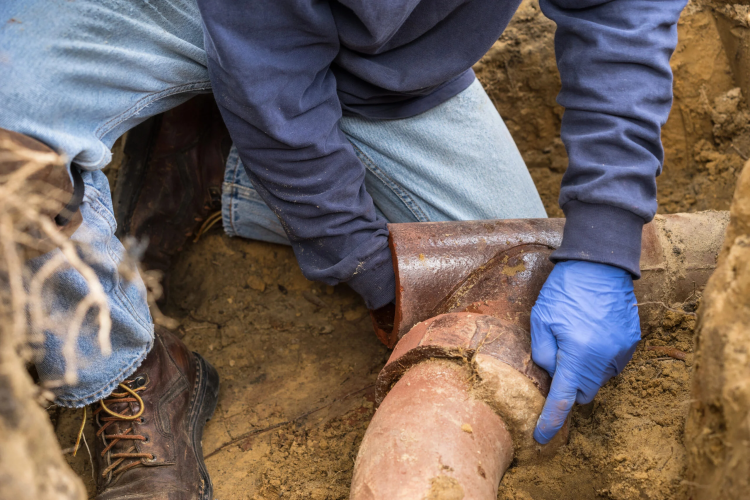
Pipe relining is the go‑to solution for cracked or blocked drains in Melbourne, and you can trim the expense by planning ahead and using the right local tricks. In this article I’ll walk you through the whole process – from spotting the problem with a CCTV pipe inspection Melbourne to picking a trenchless pipe replacement company that knows the city’s old brick homes. You’ll learn how to prep your property, schedule the work efficiently, and keep the new lining in top shape for years, all without breaking the bank.


What Is Pipe Relining And Why It Matters In Melbourne
Pipe relining involves inserting a flexible liner coated with epoxy into an existing pipe, then inflating it to form a seamless, durable pipe. The trick is that you never have to dig up your garden or driveway, which is a huge win in suburbs like Richmond where yard space is at a premium. From what I’ve seen, Melbourne’s older homes – especially those built before the 1970s – often have clay or cast‑iron sewer lines that corrode fast under the city’s wet winters.
And the benefits go beyond avoiding a massive trench:
● Less disruption to neighbours on narrow laneways.
● Fast turnaround – most residential jobs finish in a single day.
● Long‑term durability – the epoxy creates a pipe‑in‑pipe that resists root intrusion.
In my experience, the key to cutting pipe relining costs is to avoid unnecessary re‑work. That means getting a clear picture of the damage before any liner is inserted. A proper CCTV pipe inspection Melbourne will show you exactly where the cracks are, so you only line the sections that truly need it

Assessing The Problem With Cctv Pipe Inspection Melbourne
CCTV pipe inspection is the first step that separates a smart DIY homeowner from someone who ends up paying for a full trench dig later. A technician slides a waterproof camera through the pipe recording video that reveals cracks root intrusions and blockages. In Melbourne’s older suburbs you’ll often see roots from mature eucalypts pressing against the pipe walls.
But the inspection does more than just locate damage – it helps you decide the right pipe relining method — The camera can also spot misalignments that could cause the liner to wrinkle, which would compromise the seal.
Typical signs that a CCTV inspection will flag include:
● Bulging sections where the pipe has collapsed.
● Corrosion spots on cast‑iron segments.
● Sharp bends that exceed the recommended 30‑degree angle for liners.
When the inspector finishes you’ll receive a report with timestamps and still images. Use that report to compare quotes – the most reputable trenchless pipe replacement crews will reference the exact footage when they propose a solution.
Choosing A Trenchless Pipe Replacement Method
There are three main trenchless options: cured‑in‑place pipe (CIPP) relining, pipe bursting, and slip‑lining. Look, for most melbourne homes, cipp pipe relining is the sweet spot because it works inside the existing pipe and leaves the surrounding soil untouched.
And if you have a narrow driveway, slip‑lining might be the only viable choice – it uses a smaller diameter liner that slides into the pipe, then expands to fit. Pipe bursting, on the other hand, actually breaks the old pipe while pulling a new one behind it, which can be overkill for a simple crack.
Here’s a quick decision guide:
● CIPP relining – best for moderate cracks and root intrusion.
● Slip‑lining – ideal for very tight access points.
● Pipe bursting – reserved for severely collapsed sections.
In my experience, the smartest way to keep costs down is to pick the method that matches the damage severity identified in the CCTV report. Over‑engineering a simple fix adds unnecessary labour and material.
How To Prepare Your Home For Pipe Relining
Preparation is where you can shave hours off the job & avoid surprise fees. First, clear any furniture or garden beds that sit over the access points – usually a small hatch in the garden or a floor trap in the kitchen.
And make sure the water supply is turned off for the duration of the work. In Melbourne, many homes have a single stop valve for the whole house, so a quick shut‑off can prevent water damage if the liner inflates slower than expected.
Key prep steps include:
● Marking all visible access points with tape.
● Removing any debris from the trench, if a small trench is needed for the inlet.
● Ensuring pets and children are kept clear of the work zone.
Finally, discuss the schedule with the crew. A clear timeline lets you arrange any necessary accommodations, like parking restrictions on busy streets like Chapel Street.
Saving Time And Money With Smart Scheduling
Timing can be a hidden cost driver. Melbourne’s summer months bring high temperatures that can affect epoxy curing times, while winter rains can make site access tricky — The sweet spot is early autumn, when the weather is mild and the ground isn’t soggy.
But there’s another scheduling hack: bundle pipe relining with other maintenance tasks — See, if you’re already having a roof inspection, ask the same contractor to do a quick cctv scan – many companies offer a combined service at a reduced rate.
Here’s how to lock in the most efficient timeline:
● Book the CCTV inspection at least two weeks before the relining job.
● Confirm the liner size & material based on the inspection report.
● Schedule the relining for a weekday when traffic is lighter, reducing crew arrival delays.
By aligning these steps, you avoid the “wait for a dry day” scenario that can stretch a project from one day to a whole week.
Maintaining Your Newly Lined Pipes For Long‑Term Performance
After the liner cures, the pipe behaves like a brand‑new PVC line. However, Melbourne’s occasional burst pipes and heavy tree roots still pose a risk if you don’t keep an eye on the system.
And the easiest way to protect your investment is to keep the drainage network clear of grease and foreign objects. Use a mesh strainer on kitchen sinks and avoid flushing anything other than toilet paper.
Maintenance checklist:
● Run hot water through the system once a month to prevent buildup.
● Schedule a follow‑up CCTV inspection after 12 months to verify the liner’s integrity.
● Trim any tree roots that encroach on the pipe’s vicinity – a local arborist can do this safely.
In my experience, homeowners who neglect these simple steps often see new blockages within a few years, forcing another costly repair. Look, a little regular care keeps the pipe relining solution effective for the long haul.
Conclusion
Pipe relining in Melbourne offers a low‑disruption, durable fix for aging drainage systems, and you can keep the expense under control by following a clear, locally‑aware plan. Start with a thorough CCTV pipe inspection Melbourne, pick the right trenchless method, prep your home smartly, and schedule the work during the optimal season. Finally, maintain the new lining with regular flushing and root management. Follow these steps & you’ll enjoy a trouble‑free sewer line without the headache of a full trench dig.
What's Your Reaction?