How Does a Warm Bucket Hat Handle Winter Materials?
Winter bucket hats can look similar from a distance, yet their wearing experience can change considerably with fabric choice and internal construction. Wool, brushed flannel, faux fur, and plush linings each approach warmth differently, while crown structure, brim shape, and lining affect how the hat sits during everyday use. For buyers developing seasonal headwear ranges, looking beyond the surface material helps clarify which construction fits a particular climate, wearing pattern, and product position.
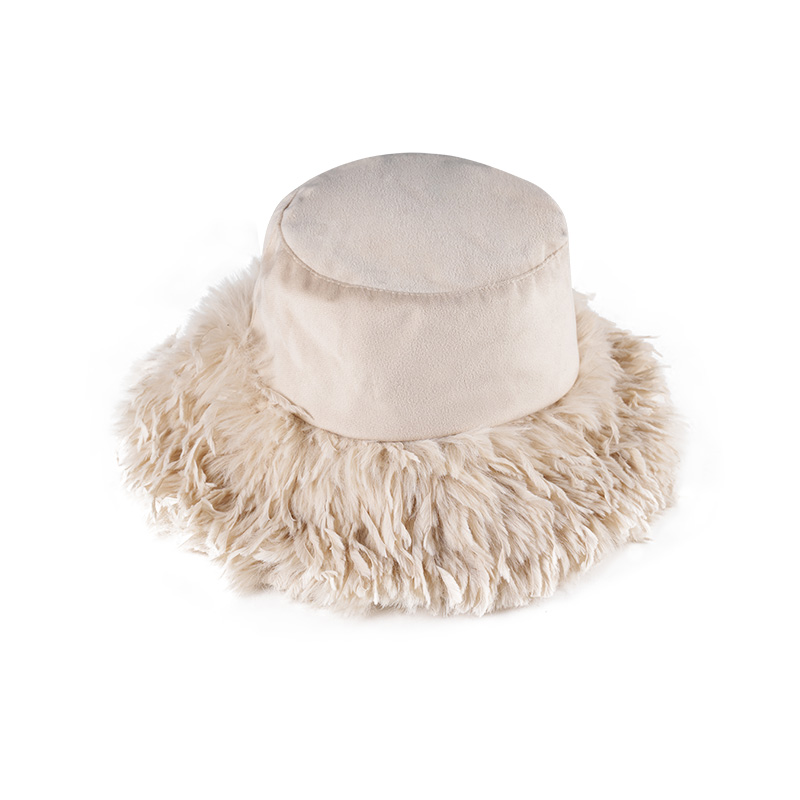
The construction of a Warm Bucket Hat starts with a fairly simple question: where should the insulation come from? A thick outer fabric, a soft inner lining, or a combination of both can change the final result. This is why two bucket hats with similar silhouettes may feel noticeably different when worn for several hours.


Brushed flannel takes a relatively lightweight approach to winter warmth. Its raised surface creates a soft hand-feel while retaining enough flexibility for an unstructured crown. This construction can work well when the hat needs to transition between cool autumn weather and milder winter conditions. The brim also tends to remain flexible, making it easier to fold or pack without creating the more rigid profile associated with some heavier winter fabrics.
Wool works differently because fabric weight, weave, and fiber blend all influence the finished structure. A wool bucket hat can hold its crown more firmly than a soft flannel version, particularly when the material has been felted or closely woven. For product developers, fiber percentage alone does not tell the whole story. Fabric thickness and finishing can affect warmth, drape, recovery, and how consistently the crown maintains its shape across production batches.
Faux fur and plush linings introduce another construction approach. Instead of relying entirely on the outer shell, insulation can be created through a deeper pile or a separate inner layer. This changes the relationship between warmth and silhouette. A plush-lined Warm Bucket Hat may remain soft around the crown while adding noticeable thermal coverage, whereas a heavy wool shell can provide warmth while contributing more directly to the hat's shape. The choice also affects sewing details around the crown, brim, and inner band.
Fit becomes particularly important when thicker materials are involved. Adding a lining reduces the usable interior space, so a pattern developed for an unlined cotton bucket hat cannot always be transferred directly to a winter version. Crown depth, opening circumference, seam allowance, and brim attachment all need to account for the additional material. An inner sweatband or adjustable detail can also provide some flexibility when the same style is intended to accommodate a small range of head sizes.
Care requirements create another practical difference between materials. Wool and faux fur may require gentler handling, while some flannel constructions can be designed around simpler everyday care. Product specifications therefore need to describe the actual fabric and lining combination rather than relying only on a broad term such as “winter hat.” For buyers comparing seasonal headwear samples, details such as fabric weight, lining thickness, crown structure, and care requirements can provide a clearer picture of how each construction will perform in everyday use.
What's Your Reaction?