How Does A Viscous Friction Damper Generate Damping Force?
A damper can look like a relatively simple mechanical component, but its internal working conditions determine how effectively it controls structural movement. A Viscous Friction Damper uses fluid resistance to dissipate energy as connected structural elements move relative to each other. Instead of relying mainly on permanent metal deformation or dry friction, its behavior is influenced by fluid viscosity, piston movement, orifice geometry, sealing, and operating temperature.
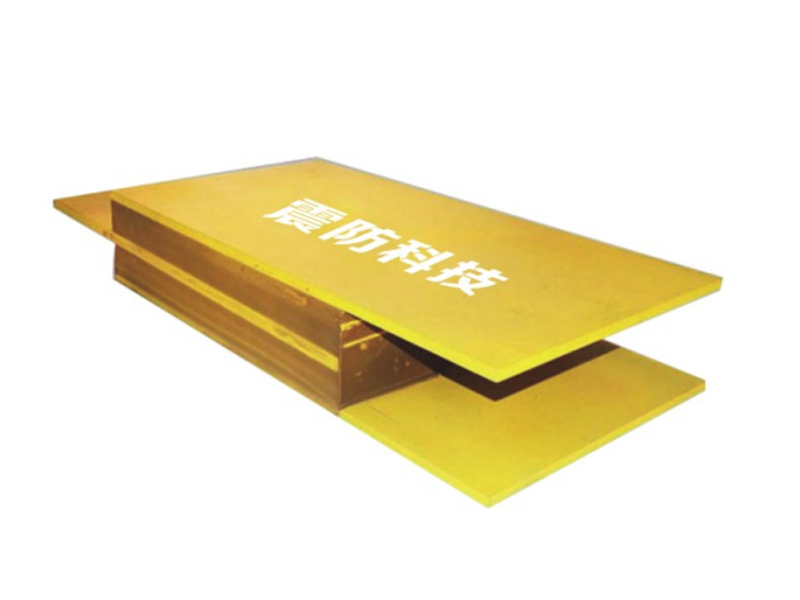
In a Viscous Friction Damper, damping force is generated when a piston moves through a cylinder containing a viscous medium. The movement forces fluid through restricted passages, creating resistance against the piston. As movement becomes faster, the resistance generally increases, which means the damping force is related not only to how far the structure moves but also to how quickly that movement occurs.


This velocity-dependent behavior is important in seismic applications. During an earthquake, structural movement can change rapidly, and the damper needs to respond to that motion as it develops. The internal fluid path therefore becomes a key part of the overall design. Small differences in orifice geometry can affect the amount of fluid passing through the piston and consequently change the force generated at different movement speeds.
The working fluid itself also matters. Silicone-based fluids are commonly considered for applications where stable behavior over changing temperatures is required. Fluid viscosity changes with temperature, so a damper installed outdoors or in an exposed structural location may experience conditions that differ considerably between seasons. A fluid with suitable temperature characteristics can help keep the damping response within the expected range as the surrounding environment changes.
The piston, cylinder, and sealing components work together to maintain the intended fluid conditions. The piston needs to move through the cylinder with controlled clearance, while the orifices need consistent dimensions to maintain predictable flow resistance. At the same time, seals around the piston rod need to limit fluid leakage during repeated movement. These details become particularly important when the damper is expected to operate for long periods without routine internal maintenance.
Installation location also affects how the damper is used. In buildings, a damper may be incorporated into diagonal bracing or positioned between structural members that experience relative movement. Similar principles can be applied to connections between adjacent structures, bridges, and certain industrial systems where vibration or movement needs to be dissipated rather than transferred directly through the supporting structure.
When evaluating a Viscous Friction Damper, several parameters need to be considered together. Damping coefficient and velocity-related characteristics describe the force response, while stroke length indicates how much relative movement the device can accommodate. Connection configuration, installation space, expected structural displacement, and environmental temperature are also relevant because the damper has to work as part of a larger structural system.
The relationship between fluid behavior and mechanical geometry is therefore central to this type of damper. The fluid determines how resistance develops during piston movement, while the piston, cylinder, orifices, and seals control how that resistance is produced and maintained. Understanding these elements together gives engineers a clearer view of how viscous damping responds to actual structural movement.
What's Your Reaction?