Whole Cow for Sale: What to Know Before You Buy
Learn what to know before buying a whole cow for sale, including pricing, freezer space, butcher fees, cuts, storage, and choosing a trusted rancher.
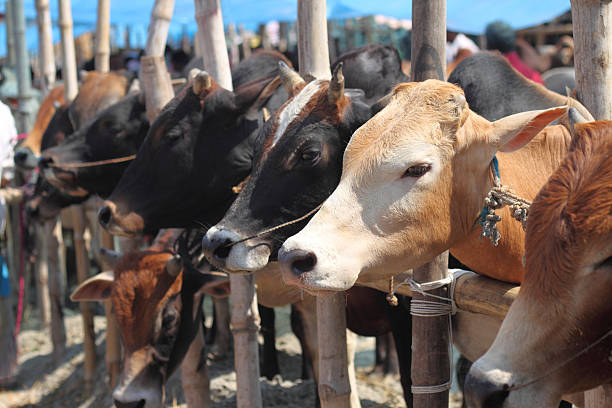
Buying a whole cow for sale seems like a great idea right up until you realize how much you don't know. Where does it come from. How much space do you actually need. What in the world do you do with a shank bone. Let's get into it, because there's a lot more to this than people expect.


What You're Actually Buying
Here's something that trips people up right away — a "whole cow" isn't the animal itself, obviously, it's the meat that comes out of it once a butcher's done with it. And the number ranchers quote you is almost always hanging weight, meaning the carcass weight before any cutting happens. What actually lands in your freezer is smaller. Usually 60-65% of that number, because bone and fat get trimmed off in processing. So if someone tells you $5 a pound and doesn't clarify which weight they mean, ask. It matters more than people think.
Why This Even Makes Sense
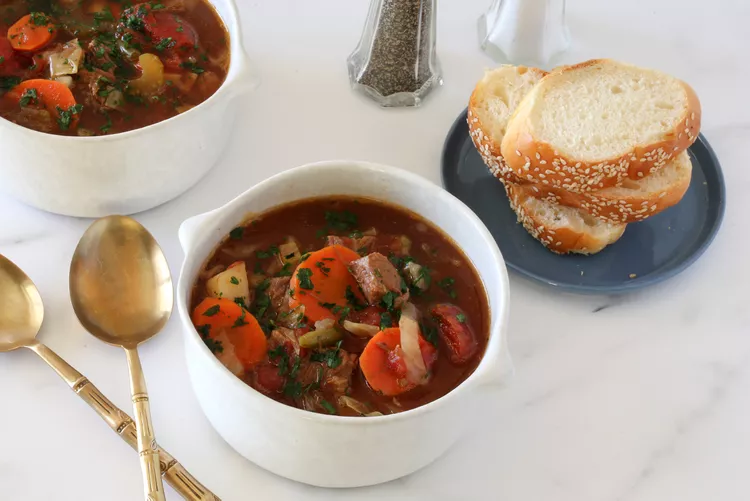
Cost is the big draw, and for good reason — buying this way is often cheaper per pound than grocery store beef, assuming you actually cook enough to use it all. But there's a second reason people don't talk about much. You get stuck with cuts you'd never pick up on your own. Oxtail. Marrow bones. Shank, which is honestly the most underrated cut in the whole order. Good beef shank vegetable soup basically requires it — that slow-cooked connective tissue is what gives the broth its body. You can't fake that with stew meat.
The Freezer Thing Nobody Warns You About
A full cow is somewhere around 350-450 pounds once it's packaged. That's not a "squeeze it into the freezer drawer" situation. Most first-timers underestimate this badly and end up buying a chest freezer they hadn't budgeted for, sometimes days before pickup. Don't be that person. Figure out storage before you place the order, not after.
Let's Talk Pricing
You're generally paying a per-pound rate based on hanging weight, and then a separate fee to the butcher for processing. Some ranchers bundle both into one quote, some don't, and that inconsistency causes a lot of confusion. Ask for a full breakdown in writing before putting down a deposit. Processing alone can run a couple hundred dollars, and that fee catches people off guard constantly.
Choosing a Rancher Worth Trusting
Ask how the cattle were raised. Grass-fed, grain-finished, antibiotics or none — whatever matters to you, ask directly. A rancher who's confident in their operation won't dodge the question. If you get vague answers or the conversation feels rushed, that's worth paying attention to. You're trusting this person with a year of meat for your household. That's not nothing.
The Butcher Decides More Than You'd Think
The farm raises the cow, sure, but the butcher shapes what actually shows up in your freezer. Good processors book out months ahead, so waiting until the last minute is a real problem. You'll also fill out a cut sheet — steak thickness, ground beef ratio, whether you want the bones and organs included. Take your time on it. Rushing the cut sheet is one of the most common regrets people have after the fact.
What You Actually Get
It's not just steak, not even close. Ribeye and sirloin, yes, but also roasts, short ribs, brisket, stew meat, and a good chunk of ground beef — usually close to a third of the total weight. Then shank, soup bones, and organ meat if you ask for it. Don't skip the shank just because it's unfamiliar. Braised slow with root vegetables, it turns into one of the best meals you'll get from the whole order, hands down.
Storing It Properly
Label everything right when it comes out of the box — cut and date, no exceptions. Good vacuum-sealed packaging holds up a year or longer, but rotate through it anyway instead of letting things sit forever. Ground beef and stew meat usually get used first in most kitchens. Save the specialty cuts, shank especially, for when you've actually got time to cook them right.
Who This Is Actually For
If your household eats out most nights, this probably isn't worth it. Four hundred pounds of beef sitting unused isn't saving anyone money. But for people who cook regularly and care about where their meat comes from, it makes real sense. And if a full cow feels like too much, splitting an order with a neighbor or family member is pretty common and takes the pressure off.
Common Mistakes
Not asking enough questions is the big one — pricing, the cut sheet, how far out the butcher's booked. Underestimating freezer space is another. And a smaller mistake people don't think about until it's too late: not planning meals around what they're actually getting. You'll have roasts and shank and stew meat, not just steak dinners every night, so having a plan for that ahead of time saves a lot of frustration.
Final Thoughts
This isn't something to figure out as you go. Ask the right questions, plan your freezer space, and vet both the rancher and the butcher before you commit to anything. Do that groundwork and you end up with a year of solid meat at a fair price — and don't skip the shank. It's worth more than people give it credit for.
FAQs
Q: How much does a whole cow typically cost?
A: Usually $4-$7 per pound of hanging weight, depending on region and farm, plus a separate processing fee that often runs a few hundred dollars extra.
Q: How much freezer space do I actually need?
A: A chest freezer around 20-24 cubic feet is usually enough, since a whole cow comes out to roughly 350-450 pounds of packaged meat.
Q: What's the real difference between hanging weight and take-home weight?
A: Hanging weight is the carcass before cutting. Take-home weight is what you actually get after bone and trim loss — typically 60-65% of the hanging weight number.
Q: Can I ask for extra shank for soup?
A: Yes, through the cut sheet with your butcher. You can request more of any specific cut, shank included, before processing begins.
What's Your Reaction?