What Should You Ask A Plumber Before Starting Home Repairs?

Learn what to ask a plumber before home repairs, from licenses and costs to timelines, warranties, permits, and emergency service needs.
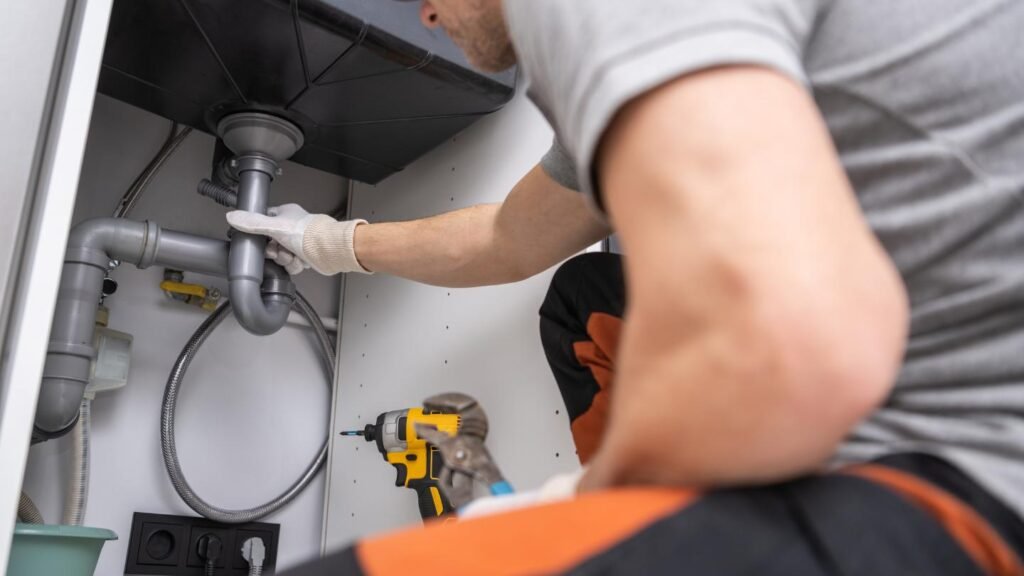

What Should You Ask A Plumber Before Starting Home Repairs?

A plumbing repair can look simple until hidden damage, outdated pipes, or unexpected costs appear. Asking the right questions early helps you understand the work and avoid unpleasant surprises. Homeowners searching for an Emergency plumber high springs fl should also know what to discuss before repairs begin. A clear conversation about the problem, price, timeline, materials, and guarantees can make the entire project easier to manage.

Ask About the Plumbing Problem

A reliable plumber should explain what is wrong before recommending a repair. You deserve to understand the cause, not just the name of the service being offered.

What Caused the Plumbing Issue?

Ask what caused the leak, clog, low water pressure, damaged fixture, or other problem. A temporary symptom may come from a larger issue hidden behind walls, beneath floors, or underground.

Understanding the cause helps you decide whether a basic repair is enough. For example, repeatedly clearing the same drain may not solve the problem if tree roots, pipe damage, or heavy buildup is affecting the line.

How Serious Is the Damage?

Ask the plumber to explain the condition of the affected plumbing. Minor corrosion may require a different approach than a cracked pipe or extensive water damage.

A professional should be able to describe the level of urgency in simple terms. This information helps you prioritize repairs, especially when your household has several plumbing concerns at once.

Can You Show Me the Problem?

Ask whether the plumber can provide photos, video, or another form of evidence when the issue is difficult to see. Visual information can make it easier to understand why a particular repair is necessary.

This question is especially useful for hidden leaks, damaged sewer lines, or problems inside walls. Having clear evidence also helps homeowners compare repair options without relying solely on technical terminology.

Confirm the Plumber's Qualifications

Experience matters, but homeowners should also verify that the person handling the work meets applicable professional and legal requirements.

Are You Licensed and Insured?

Ask whether the plumber holds the licenses required for the type of work being performed in your area. You should also ask about liability insurance and workers' compensation coverage where applicable.

These protections can reduce your financial risk if an accident or property damage occurs during the project. A trustworthy professional should be comfortable answering these questions and providing appropriate documentation.

How Much Experience Do You Have With This Repair?

Not every plumbing job requires the same expertise. A plumber who regularly handles water heaters may not specialize in complex sewer-line problems, for example.

Ask about experience with the specific repair your home needs. Relevant experience can help the plumber identify potential complications and choose a practical solution.

Will You Handle the Work Yourself?

Some plumbing companies send different technicians depending on the job. Ask who will actually perform the repair and whether subcontractors will be involved.

Knowing who is responsible for the work makes communication easier. It also gives you an opportunity to confirm that the person completing the repair has appropriate qualifications.

Discuss the Total Repair Cost

Price should never be the only factor when choosing a plumber, but you should know what you are paying for before work starts.

Can You Provide a Written Estimate?

Request a written estimate that explains the expected cost of labor, materials, equipment, and other applicable charges. A clear estimate makes it easier to understand the financial commitment.

Ask whether the quoted amount is fixed or subject to change. Some repairs cannot be priced precisely until a wall is opened or a damaged pipe is exposed, so the plumber should explain that possibility beforehand.

What Could Increase the Final Price?

Unexpected complications can change a plumbing bill. Ask the plumber to identify conditions that could lead to additional charges.

For instance, extensive corrosion, inaccessible pipes, structural obstacles, or damage beyond the original repair area may require extra work. Knowing this in advance gives you a better idea of the possible price range.

Are There Service or Emergency Fees?

An emergency plumber may charge different rates for work performed outside normal business hours. Ask about service-call charges, after-hours pricing, diagnostic fees, and other potential costs.

Getting this information early prevents confusion when the invoice arrives. A professional should explain pricing clearly rather than leaving important charges buried in the final bill.

Ask About Materials and Repair Options

Different plumbing materials and repair methods can produce different results, costs, and expected lifespans.

Which Materials Will You Use?

Ask which pipes, fittings, valves, seals, or fixtures will be installed. You can also ask whether the replacement parts meet appropriate plumbing standards.

The cheapest material is not always the best long-term choice. A plumber should explain the practical differences between available options so you can make an informed decision based on your home's needs and budget.

Can You Repair the Existing Part?

Replacement is not always the only solution. Ask whether the damaged component can be repaired safely and reliably.

A professional should explain the advantages and disadvantages of repair versus replacement. Sometimes replacement makes more sense because an older component is likely to fail again, but the decision should be based on the actual condition of the plumbing.

What Are My Repair Options?

Ask whether there are multiple reasonable ways to solve the problem. Some situations may have a quick repair, a longer-lasting replacement, or a more extensive solution.

Understanding your choices gives you greater control over the project. It also helps you balance immediate costs with future maintenance and reliability.

Confirm the Project Timeline

Plumbing repairs can interfere with kitchens, bathrooms, laundry areas, and other important parts of a home. A realistic schedule helps you plan around the disruption.

How Long Will the Repair Take?

Ask for an estimated start and completion time. A straightforward fixture replacement may take much less time than a major pipe repair or sewer-line project.

Keep in mind that unexpected conditions can extend the schedule. A responsible plumber should tell you about possible delays rather than promising a completion time without inspecting the problem.

Will My Water Need to Be Shut Off?

Some repairs require the water supply to be turned off temporarily. Ask how long the shutdown is expected to last and whether there are ways to reduce the disruption.

This is particularly important for households with children, older adults, pets, or people working from home. Knowing the schedule lets you prepare drinking water and make alternative arrangements when necessary.

Check Permits and Local Requirements

Certain plumbing projects may require permits or inspections, depending on the location and type of work. Homeowners should not assume that every repair follows the same rules.

Do I Need a Permit?

Ask the plumber whether the proposed work requires a permit. The answer can depend on the nature of the project and local regulations.

A qualified professional should understand the requirements that apply to the work they perform. Confirming this before construction begins can help prevent delays or complications later.

Who Will Arrange Inspections?

Some projects may require an inspection after the work is completed. Ask who is responsible for scheduling it and making sure the job meets applicable requirements.

Clarifying responsibility avoids situations where a homeowner assumes the contractor handled the process while the contractor assumes the homeowner did. Put the agreement in writing whenever possible.

Understand Cleanup and Property Protection

Plumbing work can create water, dust, debris, and access openings. Ask how the plumber plans to protect your property throughout the repair.

How Will You Protect My Home?

Ask whether the plumber will use protective coverings around floors, cabinets, walls, or furniture. Good preparation can reduce accidental damage and make cleanup easier.

You should also ask how the work area will be secured when the crew leaves for the day. This matters particularly during repairs that remain unfinished overnight.

Who Handles Cleanup?

Confirm whether cleanup is included in the quoted price. Ask what the crew will remove and whether you will be responsible for disposing of larger materials.

Clear expectations can prevent disagreements once the repair is finished. A professional should leave the work area reasonably clean and explain any cleanup responsibilities that remain with the homeowner.

Ask About Warranties and Future Support

A plumbing repair should not simply end when the tools are packed away. Ask what protection you receive if the repaired component develops a problem later.

Is the Labor Guaranteed?

Ask whether the company provides a workmanship guarantee and how long it lasts. Find out what situations are covered and whether there are exclusions.

A written warranty is more useful than a verbal promise. Keep the paperwork with your other home maintenance records so you can refer to it if a problem develops.

Do Parts Have Separate Warranties?

Some plumbing components carry manufacturer warranties that differ from the plumber's labor guarantee. Ask who handles warranty claims if a replacement part fails.

You should also find out whether registration is required. Keeping receipts, model numbers, and installation records can make future claims easier to manage.

Know When to Call an Emergency Plumber

Some plumbing problems should not wait for a convenient appointment. Fast action can limit water damage and protect the structure of your home.

Which Problems Require Immediate Attention?

A burst pipe, major uncontrolled leak, sewage backup, or failed water supply can quickly become more serious. Ask your plumber which warning signs require immediate professional attention.

Shutting off the appropriate water supply may help limit damage while assistance is on the way. However, homeowners should avoid risky repairs involving electrical systems, gas appliances, or inaccessible plumbing.

How Can I Reach You After Hours?

Ask whether the company provides emergency service and how after-hours calls are handled. Confirm whether the same team responds to urgent situations or whether another technician is dispatched.

Having this information before a crisis occurs can save valuable time. Store the company's contact information somewhere accessible so you do not have to search for it during a plumbing emergency.

Get Everything in Writing

A verbal agreement can be difficult to reference later. Written documentation creates a shared understanding between the homeowner and plumber.

Ask for the scope of work, estimated price, materials, timeline, warranty terms, and payment expectations in writing. Changes should also be documented rather than relying on informal conversations.

Read the agreement carefully before approving the project. A few minutes spent reviewing the details can prevent misunderstandings about what the plumber will and will not do.

Conclusion

Good plumbing repairs begin with good communication. Asking about the cause of the problem, qualifications, pricing, materials, timeline, permits, cleanup, warranties, and emergency support gives homeowners a clearer picture of the work ahead. A dependable emergency plumber should welcome reasonable questions and explain the proposed solution without unnecessary jargon. Take time to compare your options, request written details, and understand possible additional costs before work begins. These simple steps can help protect your home, budget, and peace of mind while giving the plumber the information needed to complete the repair properly.

What's Your Reaction?

like

dislike

love

funny

angry

sad

wow