How Pet Owners Can Keep Upholstered Furniture Clean
Learn practical ways to keep upholstered furniture clean with pets, including hair removal, stain care, odor control, protective covers, and regular cleaning.
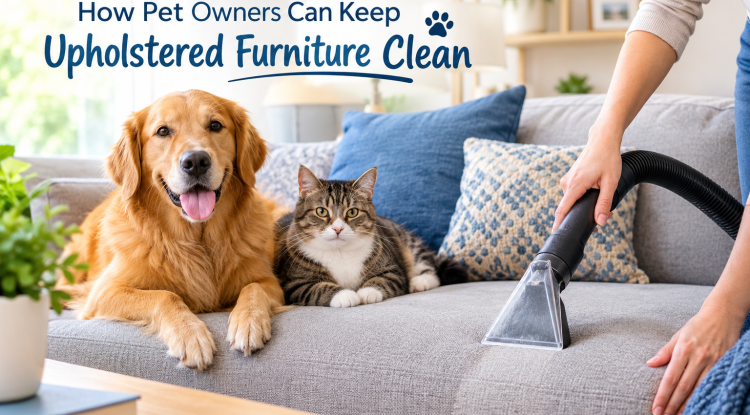
Pets bring warmth, personality, and plenty of happy moments into a home, but they can also make keeping upholstered furniture clean a little more challenging. From muddy paws and shedding fur to accidental spills and lingering odors, sofas and chairs often become the first places where pet-related messes show up. The good news is that you do not have to choose between having pets and having clean, comfortable furniture. With a few consistent habits and the right cleaning techniques, you can keep your upholstered furniture looking fresh while still allowing your pets to enjoy the home.


For households dealing with frequent stains, stubborn odors, or heavily soiled fabric, a professional Upholstery Cleaning Service San Diego can provide a deeper clean than routine maintenance alone. Professional cleaning can help remove embedded dirt, pet hair, and residue that regular vacuuming may leave behind. However, professional service works best when combined with simple everyday habits that prevent dirt and stains from building up in the first place.
Start With Regular Vacuuming
One of the easiest ways to protect upholstered furniture from pet-related messes is to vacuum it regularly. Pet hair can quickly become woven into fabric fibers, especially on textured upholstery. If it remains there for too long, it becomes harder to remove and may contribute to a generally dirty appearance.
Try vacuuming sofas, chairs, cushions, and other upholstered pieces at least once a week. Homes with pets that shed heavily may benefit from vacuuming several times a week.
Use an upholstery attachment rather than placing a standard floor vacuum head directly against delicate fabric. Pay particular attention to:
- Cushion surfaces
- Seams and piping
- Areas underneath cushions
- The back and sides of the sofa
- Places where your pet frequently sleeps
A small handheld vacuum can also be useful for quick daily cleanups.
Groom Your Pet Regularly
Keeping furniture clean starts before your pet even gets on the sofa. Regular grooming can significantly reduce the amount of loose hair and dander that ends up on upholstery.
Brush your pet according to its coat type and grooming needs. Long-haired pets generally require more frequent brushing than short-haired pets, particularly during periods of seasonal shedding.
Regular grooming can also help reduce the amount of dirt carried onto furniture. If your pet spends time outdoors, wiping its paws before it comes inside can make a noticeable difference.
A simple routine of brushing, paw cleaning, and occasional bathing can reduce the cleaning workload inside your home.
Use Washable Covers Where Possible
If your pet has a favorite spot on the sofa, consider covering that area with a washable blanket or furniture cover. This creates a protective layer between your pet and the upholstery.
Choose a cover that is easy to remove and machine washable. Wash it regularly so dirt, hair, and odors do not accumulate.
Protective covers are particularly useful for:
- Pets that shed heavily
- Puppies and kittens
- Older pets prone to accidents
- Pets that spend time outdoors
- Furniture made from difficult-to-clean fabrics
A cover does not replace cleaning the actual furniture, but it can dramatically reduce how often upholstery needs intensive cleaning.
Clean Pet Hair Before It Builds Up
Vacuuming is effective, but some types of pet hair can be surprisingly difficult to remove. Hair may cling tightly to fabric because of static or become trapped between fibers.
For stubborn hair, try using a slightly damp microfiber cloth, rubber grooming glove, or pet-hair removal tool. Work gently across the fabric instead of aggressively rubbing it.
Avoid scraping upholstery with sharp objects. While this might remove some hair, it can also pull threads, damage the weave, or leave visible marks.
For delicate fabrics, always test your cleaning method in an inconspicuous area first.
Deal With Stains as Soon as They Happen
When a pet has an accident or tracks dirt onto your sofa, waiting several hours or days to clean it can make the problem much harder to manage.
Fresh stains are generally easier to address because they have not had as much time to penetrate the upholstery fibers. As soon as you notice a spill or accident, gently blot the affected area with a clean, absorbent cloth.
Blot Instead of Scrubbing
This is one of the most important rules for upholstery cleaning.
Rubbing a wet stain can push the liquid deeper into the fabric and spread it over a larger area. Instead, gently press the cloth against the stain to absorb as much moisture as possible.
Continue blotting with clean sections of the cloth until you have removed as much of the moisture as you can.
Choose Cleaning Products Carefully
Not every upholstery cleaning product is suitable for every type of fabric. Using the wrong product can cause discoloration, fading, water marks, or damage to the fibers.
Before applying any cleaner, check the manufacturer's care instructions. Many upholstered pieces have cleaning codes that indicate which cleaning methods are appropriate.
If the furniture label recommends professional cleaning, avoid experimenting with strong household chemicals. A product that works perfectly on one sofa may damage another.
When using a new cleaning solution, test it on a hidden area first and allow the area to dry before checking for discoloration or other changes.
Keep Pet Odors Under Control
Pet odors can sometimes remain even when furniture looks clean. This is because odor-causing substances may become trapped beneath the surface of the upholstery.
Simply spraying an air freshener over the sofa usually masks the smell temporarily rather than addressing its source.
Instead, focus on keeping the upholstery clean and dry. Wash removable cushion covers according to their care instructions and clean blankets or pet beds frequently.
If an odor has penetrated deeply into the furniture, professional upholstery cleaning may be a better solution. Deep cleaning can address buildup that ordinary surface cleaning cannot reach.
Protect Furniture From Muddy Paws
Pets can bring dirt, mud, grass, and moisture inside after spending time outdoors. If they immediately jump onto the sofa, all of that material can transfer directly onto the upholstery.
Keep a towel near commonly used entrances so you can quickly wipe your pet's paws before allowing them onto furniture. During rainy or muddy weather, this simple habit becomes especially valuable.
You can also establish a designated resting area near the entrance using a washable mat or pet bed. Giving your pet an appealing alternative to the sofa can make it easier to keep upholstered furniture clean.
Create Pet-Friendly Furniture Rules
You do not necessarily have to ban pets from all upholstered furniture. Instead, create simple rules that everyone in the household can follow.
For example, you might allow your pet on one particular sofa while keeping other furniture off-limits. Another option is to designate a specific blanket as your pet's furniture spot.
Consistency matters more than having complicated rules. If everyone follows the same routine, your pet is more likely to understand which areas are acceptable.
Clean More Than Just the Main Sofa
Pet owners sometimes focus on the most visible areas while overlooking other upholstered surfaces.
Dining chairs, ottomans, recliners, benches, cushions, and upholstered headboards can also collect hair, dirt, dander, and odors.
Include these pieces in your regular cleaning schedule. Even a quick vacuum can prevent buildup and make deeper cleaning easier later.
Pay special attention to furniture your pet regularly uses. A chair that appears clean may still contain significant amounts of hair and dust within its seams and cushions.
Know When Professional Cleaning Is Necessary
Routine maintenance can keep upholstery in good condition, but it cannot always address deeply embedded dirt or persistent stains.
Consider professional cleaning when:
- Pet odors remain after normal cleaning
- Stains keep coming back
- Upholstery has not been professionally cleaned for a long time
- There is significant buildup in the fabric
- You are unsure how to clean a delicate material
- DIY cleaning has not produced good results
Professional cleaners have specialized equipment and methods designed for different upholstery materials. This can be especially useful when your furniture is expensive, delicate, or difficult to clean safely at home.
Avoid Excessive Moisture
One common mistake in DIY upholstery cleaning is using too much water or cleaning solution.
Upholstery can take a long time to dry, particularly when moisture penetrates deep into cushions. Excess moisture can contribute to unpleasant odors and other problems if the furniture is not dried properly.
Use the minimum amount of moisture recommended for the specific fabric. After cleaning, provide good airflow to help the furniture dry thoroughly.
Do not sit on or cover damp upholstery until it has completely dried.
Build a Simple Cleaning Routine
The easiest way to keep pet-friendly furniture clean is to make maintenance part of your normal routine rather than waiting until the sofa looks dirty.
A practical schedule might look like this:
Daily: Remove visible hair, wipe muddy paws, and address accidents immediately.
Weekly: Vacuum upholstery thoroughly, including cushions, seams, and hard-to-reach areas.
Monthly: Wash removable covers and inspect furniture for stains, odors, or areas that need extra attention.
Periodically: Schedule a deeper upholstery cleaning based on your pet's habits, the type of fabric, and how heavily the furniture is used.
This approach prevents small problems from becoming major cleaning projects.
Final Thoughts
Having pets does not mean you have to accept permanently dirty or smelly upholstered furniture. Regular vacuuming, pet grooming, washable covers, quick stain treatment, and sensible furniture rules can go a long way toward keeping your sofa and chairs fresh. When everyday maintenance is no longer enough, professional cleaning can help restore upholstery and remove deeply embedded dirt and odors. With a consistent approach and reliable care from providers such as Coastal Carpet Care, pet owners can enjoy both a clean home and the company of their furry family members without unnecessary stress.
What's Your Reaction?