Concealed Carry Training: Building Confidence Through Education
Meta description: Discover how concealed carry training builds confidence, improves firearm safety awareness, and promotes responsible decision-making through education and practical preparation.
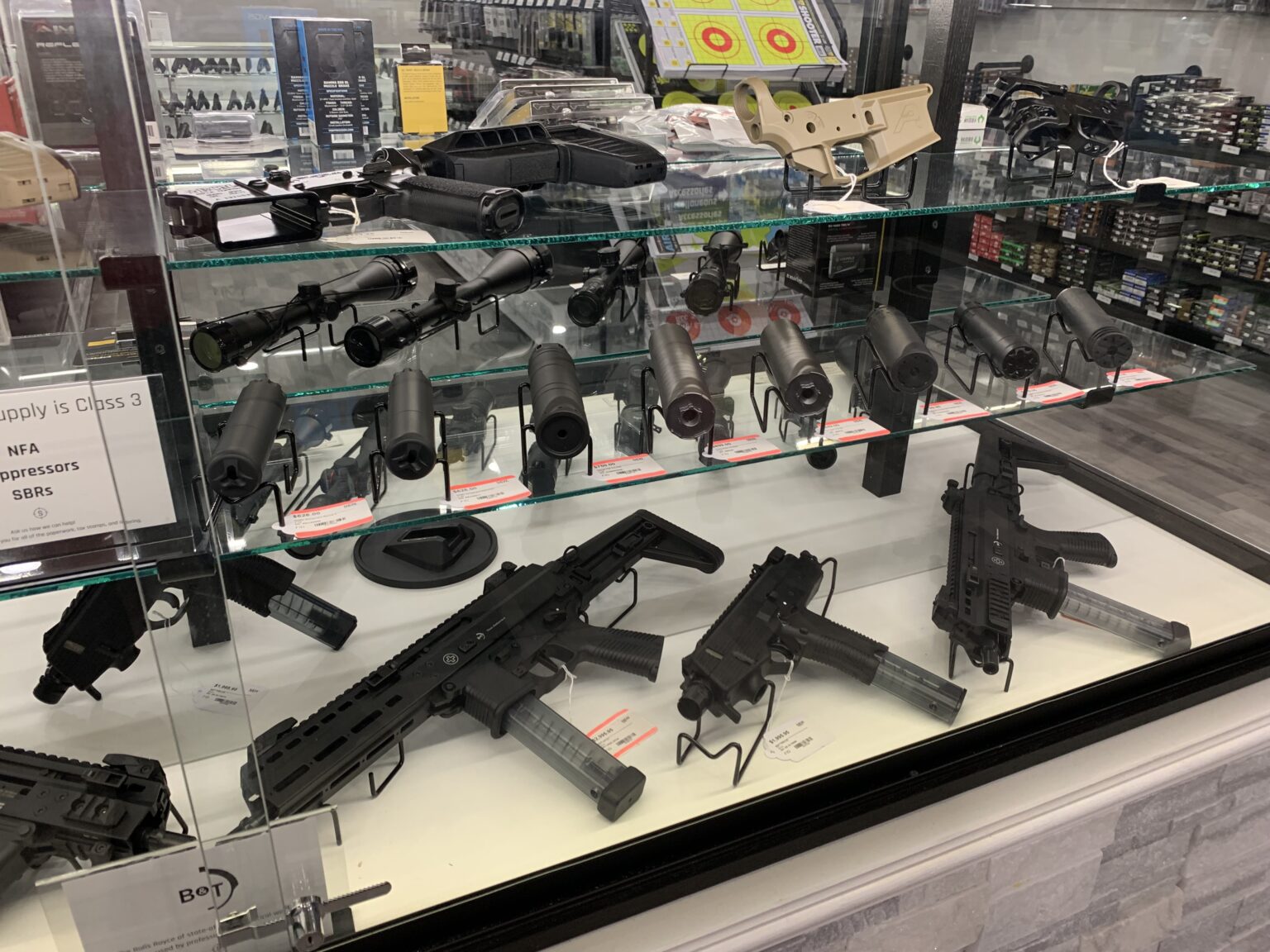
Choosing to carry a firearm is a serious responsibility that requires education, preparation, and a commitment to safe handling. For people considering concealed carry, formal training can provide a structured introduction to firearm safety, legal responsibilities, and responsible decision-making.


A quality concealed carry class is about much more than learning how to handle a firearm. Students should leave with a better understanding of safety principles, applicable laws, personal responsibility, and the importance of continued education. Whether you are completely new to firearms or already have experience, the right training can help you approach concealed carry with greater awareness and confidence.
What Is a Concealed Carry Class?
A concealed carry class is a structured training program designed to educate individuals about the responsibilities associated with carrying a firearm in public. Depending on the state and local requirements, these courses may be part of the process for obtaining a concealed carry permit.
The exact requirements vary by jurisdiction, so prospective students should always verify current regulations with the appropriate government authority. Some concealed carry permit classes combine classroom education with practical instruction, while others may have separate requirements for demonstrating firearm proficiency.
A reputable course should emphasize responsible firearm ownership rather than simply focusing on shooting. Students can expect instruction covering topics such as firearm safety, storage, transportation, applicable laws, and responsible decision-making.
What Skills Can You Learn?
One of the biggest advantages of formal training is the opportunity to develop foundational skills in a controlled learning environment. Beginners can learn the basics without having to rely solely on information from friends, online videos, or informal sources.
Common areas covered in a responsible training program may include:
-
Fundamental firearm safety principles
-
Safe handling and storage practices
-
Understanding basic firearm components
-
Responsible transportation
-
Awareness of applicable laws and regulations
-
Range etiquette and safety procedures
-
Basic marksmanship fundamentals
-
Decision-making and personal responsibility
-
Understanding when professional assistance may be appropriate
The emphasis should always be on safety and responsible conduct. Students should never feel pressured to advance faster than they are comfortable with.
What to Expect From Your First Class
Walking into a training facility for the first time can feel intimidating, especially if you have limited firearm experience. Knowing what to expect can make the process easier.
Most courses begin with an orientation and discussion of safety rules. Instructors may explain how the class will operate, establish range procedures, and introduce students to the equipment they will encounter.
Classroom instruction may then cover state-specific legal requirements, firearm safety, and responsibilities associated with concealed carry. Depending on the program, students may later participate in supervised practical instruction.
A professional instructor should encourage questions and explain concepts clearly. If something is unclear, asking for clarification is an important part of learning.
Choosing the Right Training Environment
Not every training program is identical. When comparing conceal and carry classes, consider the instructor's qualifications, course structure, safety standards, class size, and the type of instruction provided.
A smaller class may provide more opportunities to interact with the instructor, while a larger course may offer a different learning environment. Look for a program that treats safety as a priority and provides clear information about what students need to bring.
It can also be useful to find out whether practical training takes place at a dedicated shooting facility. A professional environment can help students become familiar with basic range procedures while receiving appropriate supervision.
Understanding Shooting Range Equipment
Students who do not own a firearm may wonder whether they need to purchase one before beginning training. This depends entirely on the course and facility.
Some facilities offer shooting range rental guns, allowing eligible customers to use available equipment under the facility's rules. This can be useful for someone who wants supervised experience before deciding what type of firearm, if any, is appropriate for them.
Rental policies vary, so students should contact the range beforehand to understand requirements, available equipment, age restrictions, and safety procedures.
The goal of an introductory class should not be to encourage unnecessary purchases. Instead, students should have an opportunity to learn safely and make informed decisions.
When Gunsmith Services May Be Useful
Firearms are mechanical devices that require appropriate maintenance and inspection. However, not every maintenance or repair task should be attempted without proper knowledge.
Professional Gunsmith Services can be useful when a firearm requires inspection, repair, or other specialized attention. A qualified gunsmith can help identify mechanical concerns and determine whether professional service is appropriate.
For new firearm owners, learning the difference between routine owner responsibilities and specialized gunsmith work is an important part of responsible ownership.
Never use a firearm that appears damaged or is functioning unexpectedly. When in doubt, seek assistance from a qualified professional.
The Role of a Tactical Training Center
Some students eventually decide to continue their education beyond an introductory concealed carry course. A tactical training center may offer additional educational opportunities, depending on its instructors, facilities, and curriculum.
However, advanced training should come after a strong foundation in safety and responsible firearm handling. Students should choose programs appropriate for their experience level rather than assuming that more advanced instruction is automatically better.
Continued education can help responsible owners maintain good habits and stay familiar with safety principles. Training should always be conducted within applicable laws and under qualified supervision.
Why Legal Education Matters
One of the most important parts of concealed carry education has little to do with shooting.
Firearm laws can vary significantly between states and may change over time. Regulations can address where firearms may be carried, transportation requirements, permit rules, prohibited locations, and other responsibilities.
This is why a concealed carry course should not be treated as a one-time substitute for staying informed. Students should verify current laws through official government sources and understand that instructors and businesses may not be able to provide legal advice.
Responsible carry begins with knowing your obligations.
Finding a Training Provider
When researching a course, consider facilities and retailers that have experience serving the local firearm community. For example, someone researching training and firearm-related resources may encounter businesses such as Hixson Shooter Supply while comparing available options.
Regardless of the provider, look beyond advertising claims. Ask about instructor credentials, safety policies, course length, class requirements, equipment, and whether the curriculum is appropriate for beginners.
A good training provider should make safety expectations clear before instruction begins.
Preparing for Your Class
Preparation can make your training experience smoother. Before attending, confirm the class schedule, location, required identification, clothing recommendations, equipment requirements, and any range-specific policies.
Avoid making assumptions about what you need. If the course provides equipment, ask what is included. If students are expected to bring their own equipment, confirm the requirements with the instructor beforehand.
Most importantly, arrive ready to learn. Being willing to listen, ask questions, and follow safety instructions is more valuable than arriving with preconceived ideas about what you should already know.
Training Is an Ongoing Responsibility
Completing a concealed carry class should be viewed as the beginning of responsible education rather than the finish line.
Skills can become rusty, laws can change, and individual circumstances can evolve. Responsible firearm owners should continue learning, review safety practices, and seek qualified instruction when they need additional guidance.
The best training mindset is one built around humility and responsibility. There is always more to learn, and knowing when to ask a qualified professional for help is an important part of safe firearm ownership.
Final Thoughts
A concealed carry class can provide valuable education for people who want to understand the responsibilities associated with carrying a firearm. From foundational safety and legal awareness to supervised practical instruction, quality training gives students a structured environment in which to learn.
When comparing concealed carry permit classes, focus on safety, instructor qualifications, curriculum, facility standards, and compliance with local requirements. Whether you are attending your first course, exploring shooting range resources, or considering additional education at a tactical training center, responsible learning should remain the priority.
Concealed carry is ultimately about responsibility—not simply possessing a firearm. Taking the time to receive appropriate education, understand the law, and continue developing safe habits is one of the most important steps a prospective carrier can take.
What's Your Reaction?