How to Pack Clothes Efficiently When Moving
Learn how to pack clothes efficiently when moving with simple sorting, folding, packing, labeling, and storage tips that save time, space, and effort.
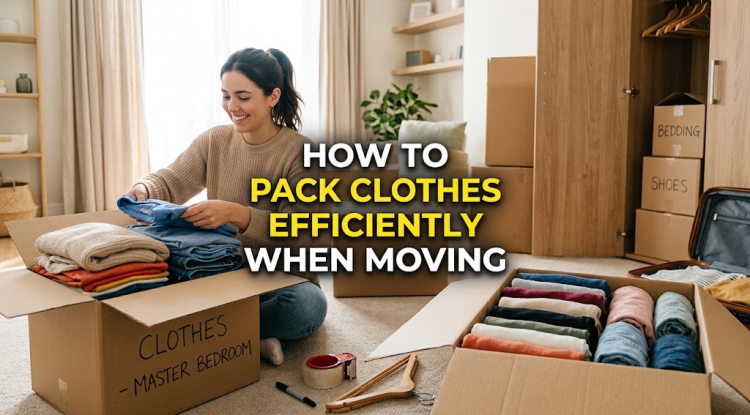
Moving can turn even a simple closet into a surprisingly big project. Clothes are easy to overlook because they do not seem difficult to pack, but a large wardrobe can quickly fill dozens of boxes and create unnecessary work. Without a plan, you may end up mixing seasons, overpacking boxes, wrinkling delicate garments, or struggling to find what you need after arriving.


A little preparation can make a major difference. Whether you are packing for a small apartment or an entire household, San Jose movers and packers often recommend approaching clothing as a separate packing project rather than simply putting everything into boxes. By sorting your wardrobe first and choosing the right packing method for each type of clothing, you can reduce clutter, protect your garments, and make unpacking much easier.
Start by Sorting Your Clothes
Before folding a single shirt, take some time to sort through your wardrobe. Moving is an excellent opportunity to get rid of clothing you no longer wear.
Create separate groups for:
- Clothes you wear regularly
- Seasonal clothing
- Formal or special-occasion outfits
- Clothes that need repair
- Items to donate or sell
- Clothing that should be discarded
Be honest about what you actually use. If you have not worn something in years and have no realistic plans to wear it, moving it to a new home simply adds weight and takes up valuable space.
Decluttering before packing also gives you a clearer idea of how many boxes, bags, and garment containers you will need.
Wash and Dry Everything Before Packing
It is tempting to pack clothing directly from your closet, especially when you are short on time. However, clean and completely dry clothes are much safer to store during a move.
Wash anything that needs cleaning and make sure every item is thoroughly dry before packing. Even slightly damp clothing can develop unpleasant odors or mildew when sealed inside a box or plastic container.
Avoid packing clothes immediately after wearing them if they have absorbed sweat, food smells, or outdoor odors. Fresh clothing will make your new closet feel much cleaner when you begin unpacking.
Choose the Right Packing Method
Not every piece of clothing should be packed the same way. The best method depends on the material, shape, and how easily the item wrinkles.
Fold Everyday Clothing
T-shirts, jeans, sweaters, casual shirts, and similar garments can usually be folded and placed in medium-sized boxes.
Instead of creating tall stacks, arrange clothing in compact layers. You can also roll certain casual garments to save space. Rolling works particularly well for T-shirts, athletic clothing, pajamas, and some lightweight pants.
However, avoid forcing too many clothes into one container. A box that is difficult to lift can become a safety problem and may break under excessive weight.
Hang Delicate and Formal Clothes
Dresses, suits, blazers, dress shirts, and other garments that wrinkle easily are better kept on hangers whenever possible.
A wardrobe box is especially useful because it allows hanging clothes to remain upright during transportation. This reduces unnecessary folding and can save considerable time when you arrive.
If you do not have wardrobe boxes, you can group several hanging garments together and carefully cover them with clean garment bags or large breathable covers. Avoid sealing delicate clothing in airtight plastic for long periods.
Roll Soft, Casual Clothing
Rolling is one of the easiest ways to make better use of limited packing space. Start with a flat garment, fold it as necessary, and roll it tightly without compressing it excessively.
This method is particularly useful for:
- T-shirts
- Workout clothes
- Socks
- Underwear
- Pajamas
- Lightweight tops
- Casual shorts
Rolled clothing can be placed into drawers, suitcases, plastic bins, or smaller boxes. It also makes individual items easier to identify.
Use Suitcases and Drawers to Save Box Space
You do not necessarily need to put every piece of clothing into a moving box. Your existing luggage can double as packing equipment.
Suitcases are excellent for heavier clothing such as jeans, jackets, sweatshirts, and shoes. Since suitcases are designed to carry weight, they can be particularly useful for reducing the number of cardboard boxes you need.
You can also use dresser drawers carefully. If the moving company allows it and the furniture will be transported safely, lightweight clothing may remain inside drawers. Otherwise, remove the contents and pack them separately.
The key is to avoid making furniture unnecessarily heavy.
Pack Shoes Separately From Clothes
Shoes should generally be kept away from clean clothing. Even shoes that look clean can carry dirt, dust, or moisture from the floor.
Clean your shoes before packing and allow them to dry completely. Place them in individual bags or shoe boxes when possible. Use socks or soft clothing to fill the inside of shoes and help them retain their shape.
Try not to place heavy shoes on top of delicate garments. Instead, put footwear at the bottom of a suitable container or pack it separately.
Protect Delicate Fabrics
Some garments need additional care during a move. Silk, wool, lace, leather, embellished clothing, and other delicate materials can be damaged by rough handling, moisture, or excessive pressure.
Use clean tissue paper or breathable garment covers when appropriate. Avoid stuffing delicate pieces into tightly packed boxes.
For expensive or sentimental clothing, consider transporting those items separately rather than placing them with everyday garments. Wedding dresses, heirloom clothing, designer pieces, and other valuable items deserve extra attention.
Label Every Clothing Box Clearly
One of the biggest mistakes people make is using vague labels such as “Clothes” on every box.
Instead, be more specific. Write labels such as:
- Master bedroom – winter clothes
- Kids' room – everyday clothing
- Guest room – linens and clothing
- Hall closet – jackets
- Bedroom – shoes and accessories
You can also add a simple note indicating whether the contents are needed immediately.
For example, a box labeled “Open First – Everyday Clothes” can be placed somewhere accessible when you arrive. This saves you from searching through multiple boxes just to find a few outfits.
Pack an Essentials Bag Separately
Do not pack every piece of clothing you own. Set aside enough clothing for the final days before the move and the first few days after arriving.
An essentials bag might include several changes of clothes, underwear, sleepwear, socks, comfortable shoes, and weather-appropriate outerwear. Keep toiletries and other daily necessities with this bag if convenient.
Think of it as an overnight bag rather than another moving box. You should be able to access it without opening half your household.
This is especially helpful if your new home is not fully organized on moving day.
Organize Clothing by Season
If you are moving during summer, there is little reason to keep winter coats and heavy sweaters at the top of your packing priorities.
Pack clothing that is currently out of season first and keep it clearly labeled. This approach makes your wardrobe easier to manage once you arrive.
For long-term storage, use suitable containers that protect clothing from dust and moisture. Avoid storing garments while they are dirty, and follow care instructions for materials that require special treatment.
Avoid Overpacking Boxes
Clothing may feel lightweight, but a box filled entirely with jeans, coats, or sweaters can become surprisingly heavy.
Use smaller boxes for dense clothing and medium-sized boxes for lighter garments. If a container becomes difficult to lift, stop adding items.
A useful strategy is to combine heavier clothes with lighter ones. For example, place several pairs of jeans at the bottom and add T-shirts or lightweight sweaters above them.
Your goal is not to fit the maximum amount of clothing into every box. Your goal is to create packages that are secure, manageable, and easy to move.
Make Unpacking Easier Before You Leave
Packing efficiently also means thinking about what will happen after the move.
Keep clothing from the same room together whenever practical. Group similar categories rather than mixing unrelated garments. For example, keep children's clothes separate from adult clothing, and keep seasonal garments together.
You can even take a quick photo of your organized closet before packing. This gives you a visual reference when arranging your wardrobe in the new home.
Another helpful trick is to keep hangers together. Instead of scattering empty hangers throughout multiple boxes, bundle them by size or type and label them clearly.
Common Clothing-Packing Mistakes to Avoid
A few simple mistakes can make clothing harder to manage.
Packing everything without decluttering: This wastes time, space, and money.
Using oversized boxes: Large boxes packed with clothes can become too heavy to move safely.
Ignoring moisture: Damp clothing can develop odors and mildew when packed tightly.
Forgetting labels: Unlabeled boxes make unpacking unnecessarily frustrating.
Mixing clean and dirty items: Keep laundry separate from freshly washed clothing.
Packing delicate garments carelessly: Expensive or fragile fabrics may require hanging or protective wrapping.
Leaving essentials packed away: Always keep several days of clothing easily accessible.
Final Thoughts
Packing clothes for a move does not have to be exhausting. The biggest improvement comes from slowing down at the beginning, sorting what you actually need, and choosing the right method for each type of garment. Fold everyday clothing, roll suitable casual pieces, hang items that wrinkle easily, protect delicate fabrics, and use suitcases to make better use of the space you already have.
Most importantly, think beyond moving day. Clear labels, organized categories, and an easily accessible essentials bag can make settling into your new home much smoother. Taking a little extra time while packing can save hours of frustration later. If you are looking for professional help with a larger move, Brother Movers can also be a useful option to consider when planning the transportation side of your relocation.
What's Your Reaction?