What an AI marketing consultant does in week one
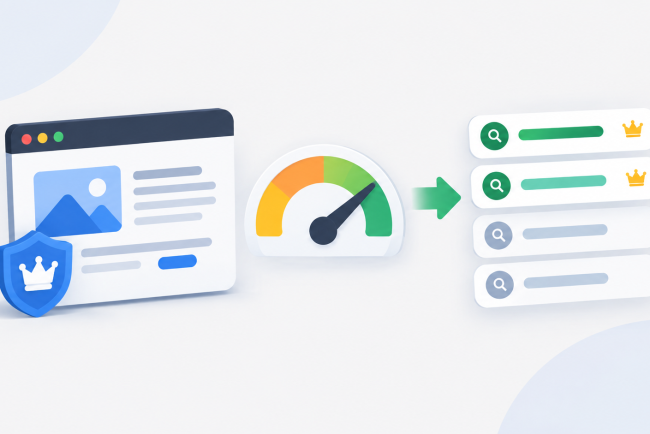
Week one of a serious AI marketing consultant engagement produces an inventory and a baseline, not a strategy deck. By Friday you should know what software you already pay for, where your team's hours actually go, what your numbers were before anyone touched anything, and which single workflow is worth automating first. A roadmap written before that is guesswork with a cover page.


The roadmap is the wrong first deliverable
I have watched this go badly often enough to be blunt about it. A consultant arrives, runs two discovery calls, and presents a twelve-month plan in week two. It looks impressive in the room. It is also built entirely on what people said in meetings, which is reliably different from what the data says.
The plan is not the hard part. Working out which of your current problems is real, and which one you can genuinely fix inside thirty days, is the hard part. That requires counting things rather than discussing them.
What the tool audit turns up
Start with billing, not with opinions. Pull every marketing-related subscription off the card statement and the finance export, then match each one to a named owner and a last-login date.
Two patterns show up almost every time. The first is overlap: two tools that both schedule, another two that both enrich, an automation platform nobody has opened since the person who set it up left the company. The second is capability already paid for and never switched on. Most teams are sitting on AI features inside their existing CRM or analytics stack that cover a good share of what they were about to buy separately.
Where the manual hours actually go
Ask everyone on the team to log their work in 30-minute blocks for five working days. Not a survey. An actual log.
The results are consistently unglamorous. Hours disappear into reformatting reports, chasing approvals, rewriting the same brief in a different template, and copying data between two systems that could have been connected. Very little of it is the analytical or creative work those people were hired for. That log becomes the evidence behind every recommendation that follows, and it settles arguments about priorities faster than any slide.
The baseline nobody wants to write down
This is the uncomfortable part of week one, and it is not optional. Write down the current numbers before anything changes.
We did exactly this to our own site in September 2026 and recorded the result without softening it: 145 URLs crawled, 42 service pages spread across three overlapping page systems, 31 title tags over 60 characters, 3 URLs returning 404, domain authority 14, 92 referring domains with zero new ones in 60 days, and 59 organic visits a month. Mobile Time to Interactive was 12 seconds, caused by a developer CSS tool that had been shipped to production and left running there.
None of that was a strategy problem. It was a counting problem. Nobody had looked.
A baseline also calibrates ambition properly. In live US search checks in September 2026, a site with domain authority 13 ranked fourth for "ai marketing consultant," and page one for "ai seo agency" ran from DA 23 to 33. Authority gates less than most consultants imply, which changes what you should reasonably attempt in a first quarter.
Choosing the one workflow to automate first
One workflow. Not a program. Pick the one with the highest weekly hour count and an owner who wants it fixed. Reporting usually wins. Brief production runs a close second.
Build it, run it alongside the manual process for two weeks, and measure the hours returned against the log you already collected. If it saves nothing meaningful, it was the wrong workflow, and you found that out for the price of two weeks rather than two quarters. That sequencing is the spine of what Growthym does in a first engagement.
If you are hiring a consultant this quarter, ask one question before you sign anything: what will you hand us at the end of week one? If the answer is a strategy document, ask what it will be based on, then ask for the inventory and the baseline instead. You can see the version of that written down in their engagement model if you want a reference point for the conversation.
What's Your Reaction?