How Can Decor Enhance The Appeal Of A White Kitchen?

Discover how smart decor choices add warmth, style, and personality to white kitchens while creating a welcoming and visually balanced space.
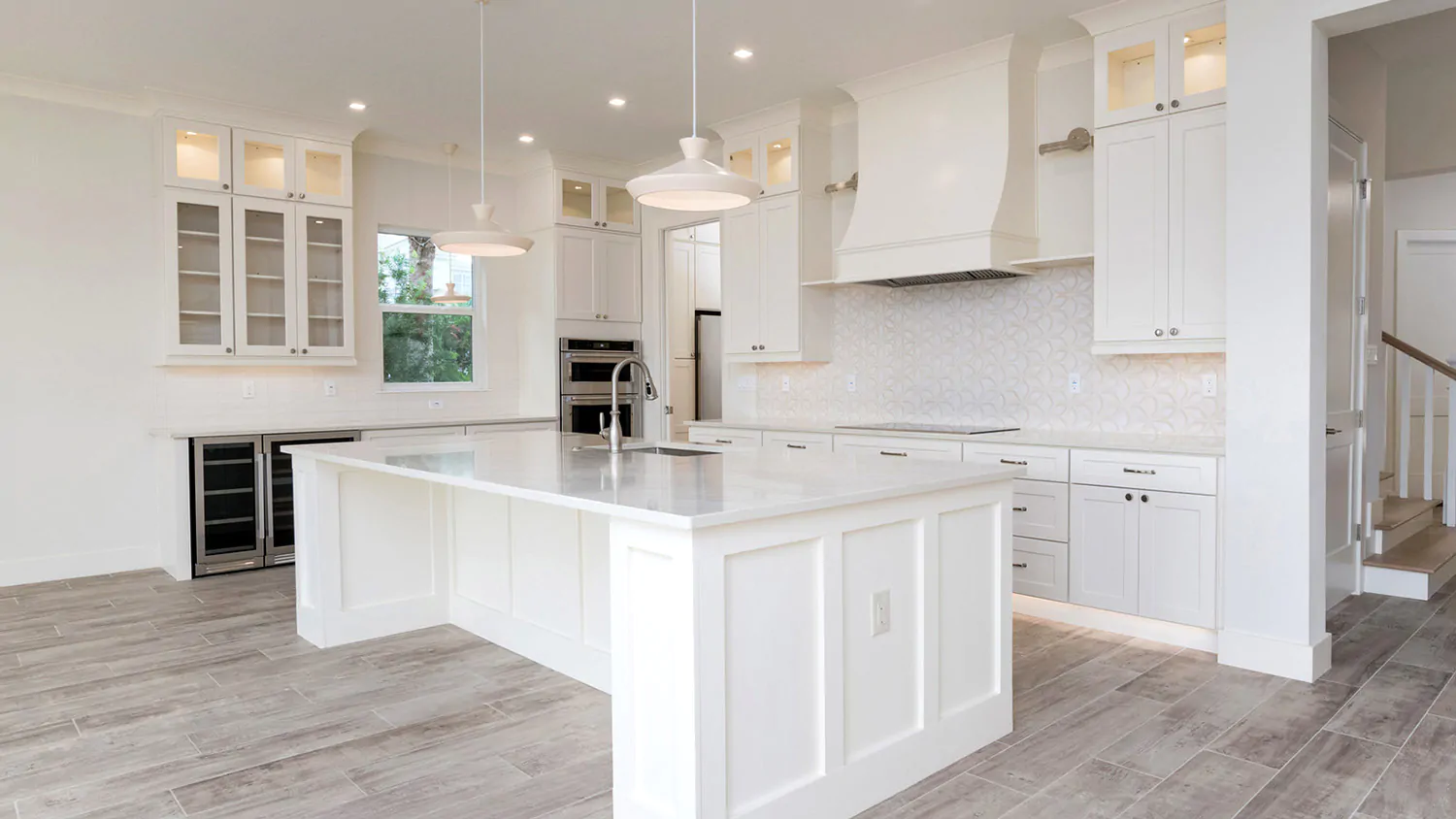

How Can Decor Enhance The Appeal Of A White Kitchen?

A white kitchen never goes out of style. Its clean appearance, bright atmosphere, and timeless charm make it a favorite choice for homeowners across the United States. Still, an all-white space can sometimes feel plain or unfinished without the right decorative touches. Thoughtful decor adds character, warmth, and visual interest while preserving the kitchen’s fresh appearance. In many homes, an Antique white island for kitchen designs serves as a beautiful focal point that helps tie decorative elements together and create a welcoming environment.

Why White Kitchens Remain Popular

White kitchens continue to attract homeowners because they create an open and inviting atmosphere. Light-colored surfaces reflect natural and artificial light, making rooms appear larger and brighter.

Another advantage is versatility. White works with nearly every design style, including farmhouse, traditional, coastal, transitional, and modern interiors. This flexibility allows homeowners to refresh their decor over time without needing a complete renovation.

Decor plays a critical role in preventing a white kitchen from looking sterile. Strategic accents help establish personality while maintaining the clean look people love.

The Importance of Decorative Balance

Decorating a white kitchen requires balance. Too few accents can make the room feel cold, while too many can create visual clutter.

The goal is to introduce contrast, texture, and warmth. Decorative elements should complement the white foundation rather than overpower it. Small adjustments often make a significant difference in the overall appearance.

A carefully designed kitchen feels cohesive because every decorative piece contributes to the room’s visual harmony.

Adding Warmth Through Natural Materials

Natural materials help soften the crisp appearance of white cabinetry and countertops. Wood, stone, wicker, and natural fibers introduce warmth and texture.

Wooden Elements Create Visual Interest

Wooden cutting boards, floating shelves, and dining furniture add organic beauty to white kitchens. Different wood tones provide depth while maintaining a welcoming atmosphere.

Medium and light wood finishes often work especially well because they create subtle contrast without overwhelming the room.

Stone Accessories Enhance Sophistication

Stone trays, marble accessories, and decorative bowls contribute elegance and texture. Their natural patterns create visual movement that prevents the space from feeling flat.

Combining wood and stone creates a layered look that feels balanced and refined.

Using Color Accents Effectively

Color introduces personality into a white kitchen without sacrificing brightness. Even small amounts of color can transform the overall mood.

Choose a Consistent Color Palette

Selecting two or three accent colors creates a cohesive design. Popular options include:

  • Navy blue for timeless elegance
  • Sage green for a natural feel
  • Black for modern contrast
  • Soft gray for subtle sophistication
  • Warm beige for cozy comfort

Consistency helps decorative elements work together instead of competing for attention.

Seasonal Decor Refreshes the Space

Color accents make seasonal updates simple. Decorative towels, flowers, artwork, and table accessories can be changed throughout the year to keep the kitchen feeling fresh.

This approach allows homeowners to update the room's appearance without major investments.

How Lighting Enhances Decorative Features

Lighting influences how every decorative element appears. Even the most beautiful decor can lose its impact under poor lighting conditions.

Layered Lighting Improves Visual Appeal

A combination of lighting sources creates depth and functionality. Effective kitchen lighting often includes:

  • Ceiling fixtures for general illumination
  • Pendant lights for focal points
  • Under-cabinet lighting for tasks
  • Accent lighting for decorative displays

Layered lighting highlights textures and decorative details while improving everyday usability.

Statement Fixtures Add Personality

Decorative light fixtures can become design features on their own. Pendant lights above an island or a distinctive chandelier over a dining area contribute style and character.

These fixtures often serve as focal points that draw attention and enhance the room's overall design.

Decorative Accessories That Make a Difference

Accessories help personalize a white kitchen while adding visual variety.

Display Functional Items Beautifully

Everyday kitchen tools can double as decor when displayed thoughtfully. Attractive cookware, ceramic containers, and stylish utensils contribute to both function and beauty.

Open shelving offers an opportunity to showcase these items while keeping them accessible.

Decorative Trays Organize and Beautify

Trays help group smaller objects together, creating a cleaner appearance. A decorative tray can hold oils, spices, candles, or small plants while maintaining an organized look.

This technique prevents countertops from appearing cluttered.

The Role of an Island in Kitchen Decor

The kitchen island often serves as the room's centerpiece. Decorative decisions surrounding the island significantly impact the overall design.

An Antique white island provides both functionality and visual appeal. Its classic appearance blends beautifully with many decorative styles, from farmhouse to transitional interiors.

Decorating the island thoughtfully helps establish a strong focal point that anchors the entire kitchen design.

Styling the Island Surface

Island decor should remain practical while enhancing visual appeal.

Popular styling ideas include:

  • Fresh flowers in decorative vases
  • Wooden serving boards
  • Fruit bowls
  • Seasonal centerpieces
  • Decorative lanterns

Limiting the number of decorative items prevents the surface from becoming overcrowded.

Coordinating Island Seating

Bar stools contribute significantly to the kitchen's appearance. Their materials, colors, and design should complement surrounding decor.

Wooden stools add warmth, while metal options introduce an industrial touch. Upholstered seating offers comfort and sophistication.

Bringing Life Into the Kitchen With Plants

Plants instantly make white kitchens feel more inviting. Their natural color and texture create contrast against white surfaces.

Small Herbs Add Functionality

Fresh herbs such as basil, rosemary, and thyme serve decorative and practical purposes. Displaying herbs near windows adds greenery while providing ingredients for cooking.

Their vibrant color brings energy to the space.

Larger Plants Create Visual Impact

Floor plants and larger potted varieties add dimension to spacious kitchens. Their presence softens hard surfaces and introduces an organic element.

Choosing low-maintenance varieties helps ensure long-term success.

Incorporating Artwork Into Kitchen Design

Artwork adds personality and creates opportunities to express individual style.

Select Pieces That Match the Kitchen's Mood

Art should support the overall design direction. Farmhouse kitchens often benefit from rustic prints, while modern kitchens may feature abstract artwork.

Choosing pieces that complement existing decor creates a unified appearance.

Gallery Walls Add Character

A small gallery wall can transform a blank section of wall space. Mixing artwork, framed recipes, and decorative signs creates visual interest without overwhelming the room.

Maintaining consistent frame styles helps achieve a polished look.

Textiles That Soften White Kitchens

Textiles add comfort and warmth while contributing color and texture.

Window Treatments Improve Balance

Simple curtains, Roman shades, or woven blinds can soften the appearance of hard surfaces. Neutral fabrics often work best because they maintain the kitchen's airy atmosphere.

Natural materials further enhance warmth.

Rugs Introduce Pattern and Texture

Kitchen rugs provide comfort underfoot while adding decorative interest. Patterns can break up large expanses of white and help define specific zones within the space.

Durable, washable options are ideal for busy households.

Mixing Metals for Added Depth

Metal finishes contribute sophistication and visual variety. Mixing finishes creates a layered look that feels intentional and stylish.

Popular Metal Combinations

Many homeowners successfully combine:

  • Brushed nickel and black
  • Brass and matte black
  • Stainless steel and brass
  • Bronze and chrome

Limiting the design to two primary finishes helps maintain consistency.

Decorative Hardware Matters

Cabinet handles, drawer pulls, and faucets function as decorative details. Upgrading hardware often delivers a noticeable design improvement without requiring major renovations.

Thoughtful selections enhance both aesthetics and functionality.

Creating a Cohesive Decorative Theme

A successful white kitchen feels unified rather than random. Every decorative decision should support the overall design vision.

Define Your Style Direction

Before purchasing decor, identify the desired aesthetic. Popular styles include:

Farmhouse

Features rustic wood, vintage accents, and warm textures.

Coastal

Uses soft blues, natural fibers, and airy accessories.

Traditional

Incorporates classic details, elegant finishes, and timeless decor.

Modern

Focuses on clean lines, minimal accessories, and bold contrasts.

A clear direction makes decorating decisions easier and more effective.

Avoid Overdecorating

Decor should enhance functionality rather than interfere with it. Leaving some surfaces open allows the room to feel spacious and uncluttered.

Purposeful restraint often creates a more sophisticated appearance.

Practical Decorating Tips for Long-Term Success

Decor should look beautiful while supporting everyday life. Practical choices help maintain the kitchen's appearance over time.

Regularly editing decorative displays prevents clutter accumulation. Choosing durable materials ensures longevity, especially in high-traffic areas.

Selecting decor that reflects personal preferences creates a space that feels authentic and comfortable. Trends may come and go, but thoughtful design remains appealing for years.

Conclusion

Decor has the power to transform a white kitchen from simple to stunning. Through thoughtful use of color, texture, lighting, natural materials, artwork, and accessories, homeowners can create a space that feels warm, inviting, and visually balanced. Features such as an Antique white island often serve as beautiful focal points that tie decorative elements together while supporting everyday functionality. The most successful designs combine practicality with personality, allowing the kitchen to remain bright and timeless while reflecting the homeowner’s unique style. By choosing decor intentionally and maintaining balance throughout the space, any white kitchen can become a welcoming centerpiece of the home.

What's Your Reaction?

like

dislike

love

funny

angry

sad

wow