Donate to Honduras: A Practical Guide to Making Your Contribution Matter
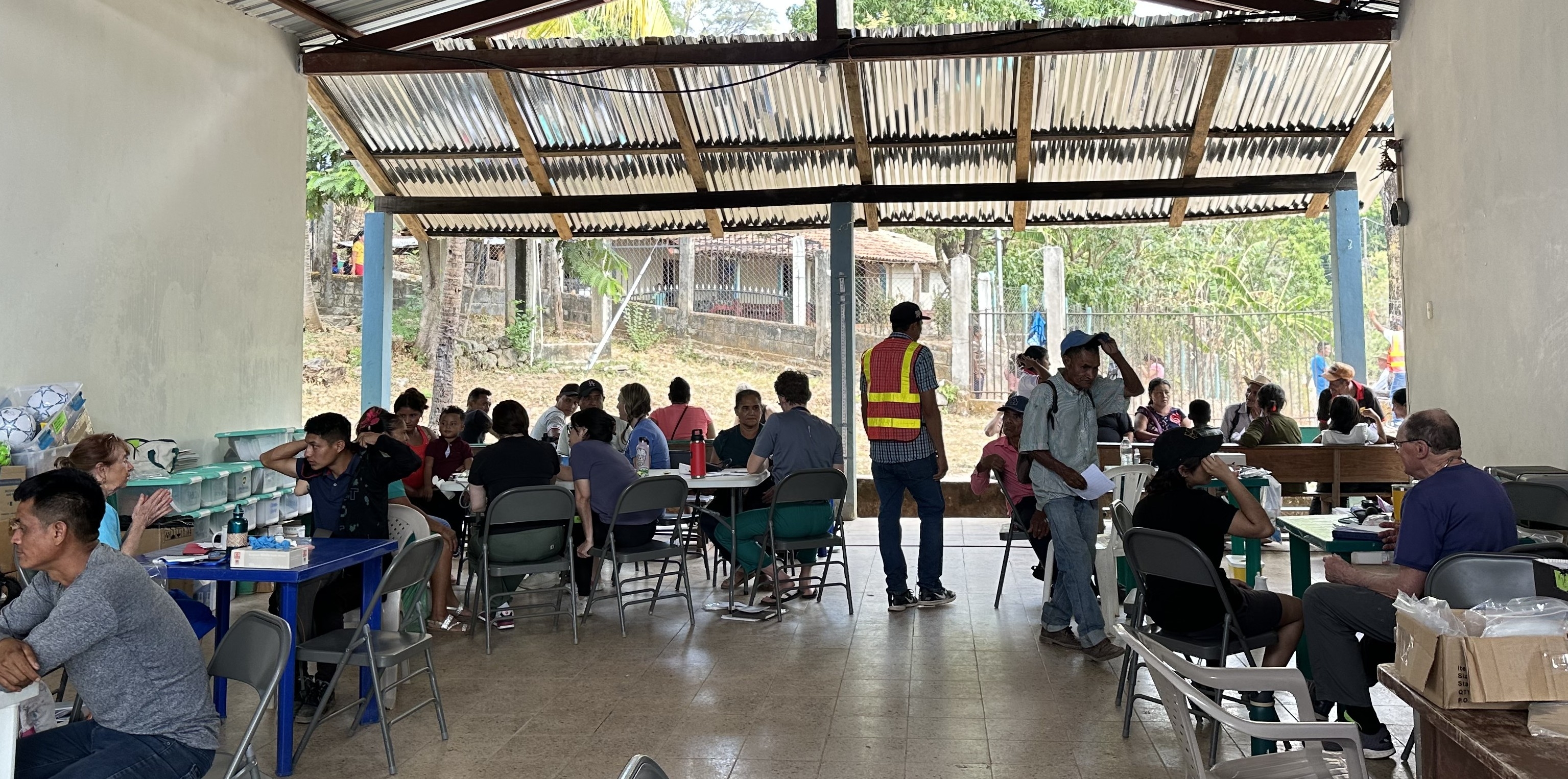
When people search for ways to donate to honduras, they are often looking for more than a simple way to send money. They want to know whether their contribution will reach people who genuinely need assistance and whether it can create a lasting difference. Understanding local needs and choosing the right form of support can make charitable giving more meaningful.


Honduras faces challenges involving poverty, limited access to education, healthcare gaps, food insecurity, and economic opportunity. At the same time, communities across the country continue to develop local solutions through schools, nonprofit organizations, community programs, and individual initiatives. Thoughtful donors can support these efforts while respecting the priorities of the people they are intended to help.
Understanding the Need in Honduras
Honduras is a country with significant economic and social inequalities. Rural communities may have fewer educational and healthcare resources than urban areas. Families with limited incomes can also face difficulties accessing nutritious food, stable employment, safe housing, and educational opportunities.
These challenges are interconnected. For example, a child who lacks access to quality education may have fewer opportunities to secure stable employment later in life. Similarly, a family struggling with food insecurity may find it difficult to prioritize school expenses or healthcare.
This is why effective charitable support should look beyond immediate relief. Food, clothing, and emergency assistance can be essential during difficult periods, but investments in education, skills, healthcare, clean water, and economic development can also help communities build greater independence.
How to Donate Responsibly
Giving to an international cause does not have to be complicated. A few practical steps can help you make a better-informed decision.
1. Identify the Specific Problem You Want to Address
Start by deciding what type of need matters most to you.
You might want to support:
-
Children's education
-
Food assistance
-
Healthcare programs
-
Clean water initiatives
-
Housing improvements
-
Vocational training
-
Women's economic opportunities
-
Community development
-
Emergency relief
A specific objective makes it easier to evaluate organizations and understand how your contribution may be used.
For example, someone interested in education might prefer supporting school supplies, scholarships, teacher training, or educational facilities rather than making an unrestricted contribution.
2. Research the Organization
Before contributing, investigate the organization receiving your donation. Look for clear information about its mission, programs, leadership, and financial practices.
A credible organization should be able to explain what it does, where it operates, and who benefits from its programs. Look for evidence of ongoing work rather than relying exclusively on emotional appeals.
It is also useful to determine whether the organization works directly with Honduran communities or primarily provides funding to local partners.
3. Examine How Donations Are Used
Not every charitable contribution has the same impact.
Some organizations use unrestricted donations to cover their highest-priority needs. Others allow donors to support specific programs. Neither approach is automatically better.
Unrestricted funding can give an organization flexibility when circumstances change. A designated contribution can be appropriate when you have a strong interest in a particular program.
The important point is understanding the organization's funding model before giving.
4. Consider Long-Term Impact
Emergency assistance can save lives during a crisis, but long-term development can address the underlying causes of hardship.
For instance, providing food to a family may address an immediate problem. Supporting vocational training could help an adult develop skills that lead to more reliable employment. Funding school attendance may help a young person build opportunities that extend well beyond the original contribution.
A balanced approach considers both immediate needs and sustainable solutions.
Choosing Between Money, Supplies, and Other Support
Financial contributions are often easier for organizations to manage than physical donations. Shipping supplies internationally can involve transportation costs, customs requirements, storage, and distribution challenges.
A donor may spend $100 purchasing goods that ultimately provide less value than sending $100 to an organization capable of purchasing those same items locally.
Local purchasing can also support Honduran businesses and reduce logistical expenses. However, physical donations can still be useful when an organization specifically requests certain items.
Always check what an organization actually needs before sending materials.
Common Mistakes When Giving
One of the biggest mistakes donors make is choosing a charity based entirely on emotional messaging. A compelling story can attract attention, but it does not necessarily demonstrate effective program management.
Another mistake is assuming that administrative expenses are inherently bad. Organizations need staff, technology, transportation, accounting, legal services, and facilities to operate. Extremely low administrative spending is not automatically evidence of effectiveness.
Donors should also avoid sending money through unfamiliar individuals or unofficial channels without verifying their identity and purpose.
Finally, avoid assuming that outsiders always know what a community needs. Local residents and organizations often have valuable knowledge about which solutions are practical and culturally appropriate.
Practical Tips for More Effective Giving
Set a Realistic Giving Budget
Charitable giving should fit comfortably within your financial situation. Consistent smaller contributions can sometimes be more useful than a single large contribution that you cannot sustain.
Consider establishing a monthly or quarterly giving amount and reviewing it periodically.
Ask Questions
If information is unclear, contact the organization. Useful questions include:
-
Who manages the program?
-
Which communities are served?
-
How are donations allocated?
-
How is program effectiveness measured?
-
Are local organizations involved?
-
What happens when a project is fully funded?
The quality and clarity of the answers can tell you a great deal about an organization.
Look for Evidence of Results
Good organizations should be able to describe their activities and outcomes. Depending on the program, evidence might include the number of students supported, households reached, wells constructed, training participants employed, or healthcare services delivered.
Numbers alone do not prove impact, but measurable outcomes can provide useful context.
Think Beyond One-Time Assistance
If you find an organization whose mission aligns with your values, consider supporting it consistently. Long-term relationships can give nonprofits greater financial stability and help them plan programs more effectively.
You can also contribute beyond money by sharing reliable information, volunteering remotely when opportunities exist, or encouraging others to support responsible community initiatives.
Making Your Contribution More Meaningful
Effective giving is ultimately about matching resources with genuine needs.
Suppose a community has a shortage of educational materials. Buying random school supplies may seem helpful, but asking local partners what students and teachers actually require could produce a much better result.
Likewise, if a community already has a functioning food program, funding transportation or storage might strengthen the entire operation instead of simply adding more food.
This principle applies to almost every charitable project: listen first, then give.
Conclusion
Choosing to support communities in Honduras can be a meaningful way to contribute to positive change. The most effective approach begins with understanding the problem, researching organizations carefully, examining how funds are used, and considering both immediate relief and long-term development.
Whether your contribution supports education, healthcare, food security, clean water, employment opportunities, or community programs, thoughtful giving can make each dollar more useful. Instead of focusing solely on how much you give, focus on whether your support reaches a legitimate need and contributes to a solution that communities can sustain.
A responsible donor does not simply give—they research, ask questions, listen to local priorities, and remain focused on meaningful outcomes.
What's Your Reaction?