How Certified U.S. Textile Manufacturing Builds Better Garments
By bringing quality control, technical expertise, customization, and effective communication together, modern textile and garment manufacturers can help brands create products that perform reliably and stand out in an increasingly competitive marketplace.
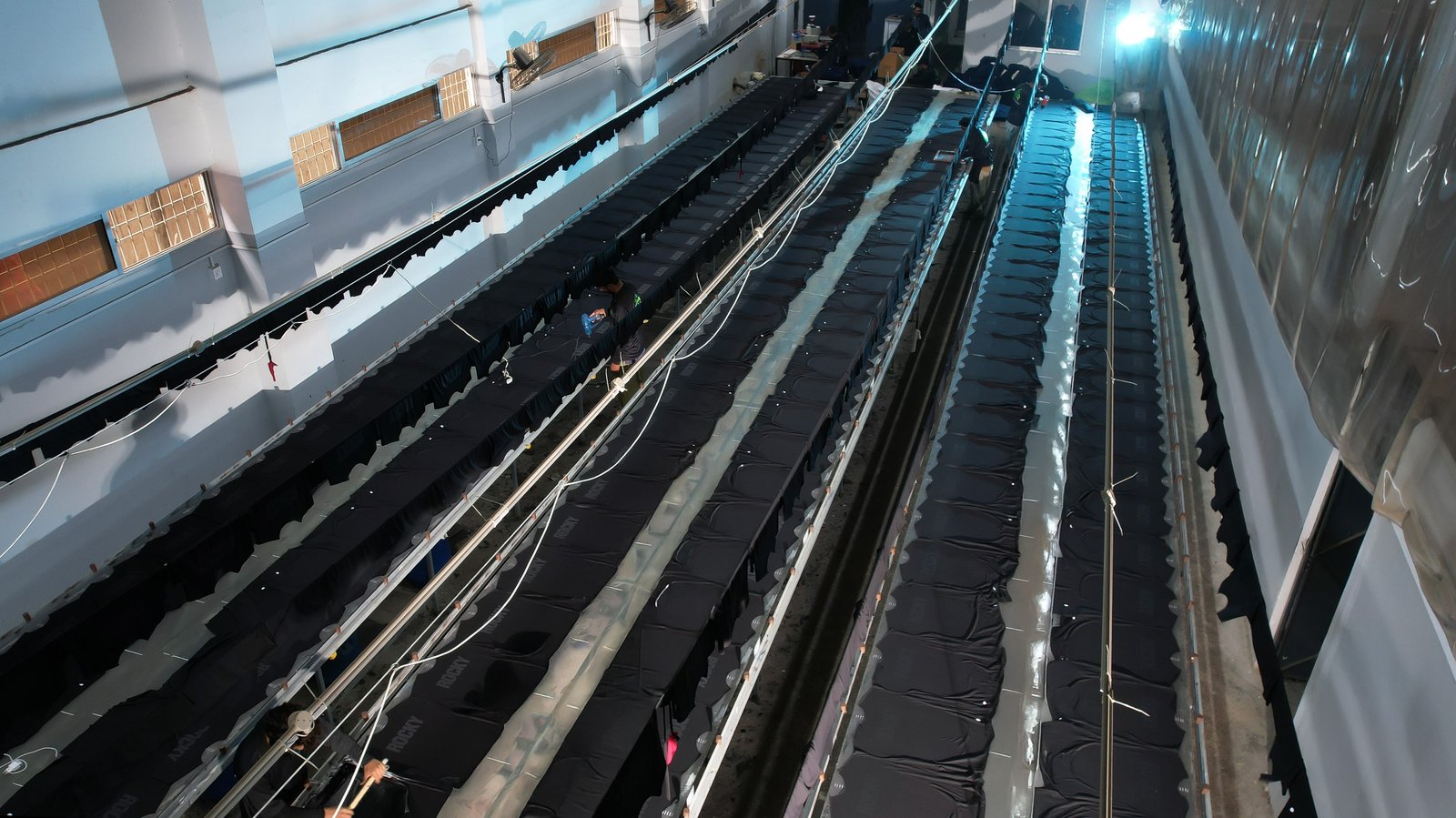
Behind every successful apparel product is a carefully managed journey—from selecting the right fiber to developing fabric, controlling production, and creating the final garment. As brands become more focused on quality, consistency, and responsible sourcing, choosing the right manufacturing partner has become a critical business decision.


A Certified Garments Company USA can provide the structured processes and quality-focused production that modern brands need. At the same time, an experienced textile manufacturing company USA can support the development of fabrics tailored to specific applications, while a reliable fabric manufacturing Company USA helps turn raw materials into consistent, production-ready textiles.
Together, these capabilities create a stronger foundation for apparel and textile businesses.
Why the Manufacturing Process Matters
A finished garment may look simple, but its quality depends on numerous decisions made before it reaches the customer. Fiber selection, yarn development, fabric construction, dyeing, finishing, cutting, sewing, and inspection can all influence the final product.
Small inconsistencies at any stage can affect:
- Comfort
- Appearance
- Durability
- Fit
- Color consistency
- Performance
- Customer satisfaction
That is why experienced manufacturing partners play such an important role in apparel development.
The Value of Certified Garment Production
Certification can demonstrate that a manufacturer follows particular standards, procedures, or industry requirements. For brands, this can provide greater confidence when evaluating potential suppliers.
A Certified Garments Company USA may offer structured processes covering areas such as:
Quality Management
Defined procedures help maintain consistency throughout production.
Process Control
Carefully managed workflows reduce avoidable manufacturing variations.
Compliance
Relevant certifications can provide evidence that certain standards or requirements are being followed.
Documentation
Clear production records can improve traceability and communication.
Consistency
Controlled manufacturing processes help ensure garments meet agreed specifications.
Brands should always verify which certifications a manufacturer currently holds and whether they apply to the specific products being produced.
What Does a Textile Manufacturing Company Do?
A textile manufacturing company USA operates earlier in the product journey, focusing on turning fibers and yarns into usable fabrics.
This can involve processes such as:
- Fiber selection
- Yarn preparation
- Knitting or weaving
- Dyeing
- Printing
- Finishing
- Inspection
- Fabric preparation for garment production
Each stage requires technical knowledge and careful quality management.
The resulting fabric becomes the foundation for apparel, home textiles, uniforms, sportswear, and many other products.
Why Fabric Quality Determines Garment Quality
A garment can only perform as well as the fabric from which it is made. Material selection influences how a finished product feels, moves, looks, and performs.
For example, activewear may require stretch and moisture management, while workwear may prioritize strength and abrasion resistance. Fashion garments may focus on drape, softness, texture, and appearance.
A capable manufacturer can help brands identify materials that align with the intended use of the finished product.
The Role of a Fabric Manufacturing Company
A professional fabric manufacturing Company USA can provide more than standard textile production. Many manufacturers work with clients to develop materials according to specific requirements.
Customization may involve:
- Fabric weight
- Fiber composition
- Construction
- Stretch
- Texture
- Color
- Finishing
- Performance characteristics
This flexibility allows brands to create fabrics that better match their product concepts rather than relying entirely on off-the-shelf materials.
Customization Gives Brands a Competitive Advantage
Today's consumers have countless choices. A distinctive fabric can help a brand create products that feel different from competitors.
Customization can influence everything from the hand feel of a garment to its visual appearance and functional performance.
For example, a brand might request a lightweight stretch fabric for activewear or a heavier construction for durable outerwear.
The ability to develop materials around a specific application gives businesses greater control over their products.
Quality Control From Fabric to Garment
Strong quality control should continue throughout the entire manufacturing process.
At the textile stage, manufacturers may inspect:
- Fabric construction
- Weight
- Color
- Surface appearance
- Dimensional stability
- Strength
During garment production, additional checks can include:
- Measurements
- Stitching
- Seam quality
- Trims
- Labels
- Finishing
- Final appearance
Maintaining quality at multiple stages reduces the risk of defects and supports consistency across production runs.
Why Communication Matters in Manufacturing
Even advanced machinery cannot replace clear communication. Brands and manufacturers need to understand specifications, timelines, materials, quality expectations, and production requirements.
A strong manufacturing relationship should involve:
Clear Specifications
Detailed product information reduces misunderstandings.
Sample Development
Samples allow brands to evaluate materials, construction, fit, and appearance before larger production.
Regular Updates
Consistent communication helps identify potential issues early.
Quality Feedback
Manufacturers and brands can work together to refine products based on inspection results.
Good communication creates a more efficient production process and reduces unnecessary revisions.
U.S. Manufacturing and Product Development
Working with U.S.-based manufacturing partners can be valuable for brands seeking closer collaboration and greater visibility into production.
Depending on the project, potential advantages may include easier communication, faster coordination, and stronger oversight during development.
For businesses serving the American market, having manufacturing capabilities within the country may also support a more responsive supply chain.
How to Choose the Right Textile Partner
Selecting a manufacturing partner should involve careful evaluation.
Consider:
Manufacturing Experience
Look for experience relevant to your product category.
Production Capabilities
Make sure the supplier has the machinery and processes required for your materials and designs.
Quality Systems
Ask how quality is monitored throughout production.
Certifications
Verify applicable certifications rather than relying on general claims.
Custom Development
Determine whether the company can create fabrics or garments according to your specifications.
Production Capacity
Ensure the manufacturer can support your current requirements and future growth.
The right partner should function as more than a supplier—it should become a reliable part of your product development process.
The Future of Textile and Garment Manufacturing
Technology continues to reshape textile production. More advanced machinery, improved quality systems, automated processes, innovative fibers, and sophisticated finishing techniques are giving manufacturers greater control over fabric and garment development.
At the same time, brands are demanding more transparency, flexibility, and customization.
Manufacturers that combine technical expertise with consistent quality and responsive communication are well positioned to meet these changing expectations.
Final Thoughts
The path from raw fiber to finished clothing involves many interconnected stages. A Certified Garments Company USA can help ensure that finished apparel is produced through structured and quality-focused processes. An experienced textile manufacturing company USA provides the technical foundation for developing reliable fabrics, while a capable fabric manufacturing Company USA can offer customized materials suited to specific product requirements.
What's Your Reaction?