Why Does Grid Hybrid Solar Power Inverter Work With Battery Storage?
Solar power systems can now combine photovoltaic generation, battery storage, local loads, and grid electricity within one energy architecture. A Grid Hybrid Solar Power Inverter coordinates these different sources while converting and distributing electrical energy according to system conditions. For B2B buyers, understanding how the inverter interacts with PV arrays, batteries, loads, and the grid is important when specifying a complete energy system.
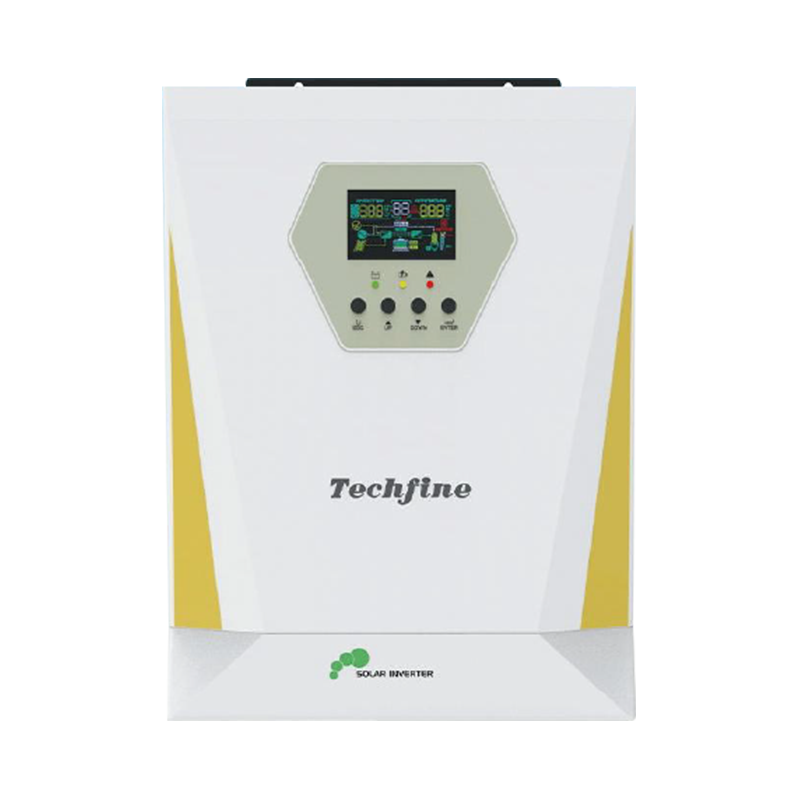
Solar generation does not always coincide with electricity demand. Photovoltaic panels produce DC electricity during available sunlight, while most building equipment requires AC power. A Grid Hybrid Solar Power Inverter manages this conversion while also providing a connection point between solar generation, battery storage, local loads, and the electrical grid.


In a conventional grid-connected solar installation, generated electricity is mainly converted into AC power for immediate use or grid interaction. A hybrid configuration introduces battery storage into this arrangement. Solar energy can be used by connected equipment while available excess energy can be directed toward battery charging, depending on the system configuration.
This changes the daily energy pattern. A building may generate considerable solar power around midday while continuing to consume electricity in the evening. Stored energy can bridge part of this difference. The inverter therefore needs to coordinate PV input, battery charging and discharging, AC output, and grid power rather than handling only a single conversion process.
Electrical compatibility is one of the first points to examine during system design. PV input voltage, battery characteristics, rated power, output requirements, and charging parameters all need to correspond with the rest of the installation. Sairifo's inverter range includes different power configurations and models supporting functions such as solar input, battery connection, AC input, pure sine wave output, and MPPT-based PV charging.
For overseas distributors and system developers, these differences can affect product selection. An inverter intended for a smaller residential energy system may have very different electrical requirements from equipment used in a larger commercial installation. Looking at the inverter separately from the battery and PV array can therefore create compatibility problems later in the project.
Control logic becomes increasingly important as more energy sources are connected. Solar production changes with sunlight, battery charge levels fluctuate throughout the day, and building loads can change according to operating schedules. The Grid Hybrid Solar Power Inverter needs to coordinate these conditions so that available energy can be routed according to the configured operating strategy.
Grid connection adds another layer to this arrangement. Solar energy does not necessarily need to replace grid electricity completely. Depending on the system design, local loads may use solar power when generation is sufficient, while stored energy or grid electricity can support demand at other times.
For B2B product developers, this system-level approach also changes how inverter products are evaluated. Power class, PV compatibility, battery interface, charging control, output waveform, monitoring functions, and grid interaction can all become part of the technical specification.
The Grid Hybrid Solar Power Inverter is consequently more than a DC-to-AC conversion device. It acts as a coordinating component between generation, storage, consumption, and the grid. When these relationships are considered together, buyers can develop inverter configurations that correspond more closely with the electrical characteristics and daily operating patterns of their target applications.
What's Your Reaction?