Why Do Doors in Busy Buildings Always Feel Out of Control?
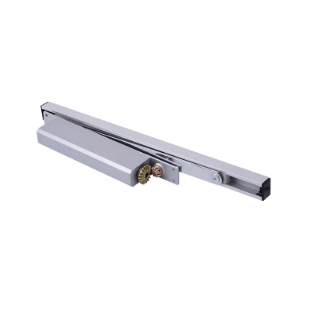
Walk through any busy office, hotel, hospital, or retail space and you’ll notice it immediately—doors slamming shut, doors left half open, doors that feel heavy one moment and unpredictable the next. Facility managers and business owners often accept this as “normal,” assuming that doors in high-traffic environments are simply difficult to control. However, ongoing conversations across LinkedIn facility management groups, property management forums, and building operations communities suggest otherwise. More professionals are quietly rethinking their approach by choosing a concealed overhead door closer or a commercial surface mounted door closer designed for real-world usage rather than ideal conditions.


The Old Experience: Constant Small Problems That Add Up
Traditional door setups often rely on aging or entry-level hardware that was never designed for continuous daily use. During peak hours, doors may slam loudly, creating noise complaints and safety concerns. During quieter periods, the same doors may drift open, compromising climate control and security. Staff members become accustomed to checking doors repeatedly, while visitors sense discomfort without being able to pinpoint the cause. Over time, these small issues accumulate into frequent maintenance requests and higher operating costs.
The New Experience: Doors That Behave Predictably
Modern door closers transform this experience in subtle but meaningful ways. With a well-matched concealed overhead door closer or commercial surface mounted door closer, doors close smoothly, quietly, and consistently. Whether someone is carrying packages, pushing a service cart, or walking quickly through the space, the door responds in a controlled and reliable manner.
Blending Into Existing Workflows
One of the most appealing benefits is that nothing else needs to change. Staff members require no training, visitors see no warning signs, and daily routines remain untouched. The door simply works as expected, reducing friction without adding complexity.
Handling Unexpected Situations
High winds, sudden traffic surges, or accessibility needs often reveal weaknesses in poor-quality hardware. A properly selected door closer absorbs these moments calmly, maintaining performance instead of becoming a problem.
Why People Notice Less—and Appreciate More
When doors stop drawing attention, people feel more comfortable. Complaints decrease, interruptions become rare, and maintenance teams experience less stress. In busy buildings, predictability is not a luxury—it’s a quiet upgrade that improves everyday operations.
What's Your Reaction?