Why Dashboard Design Matters in Modern Automotive Interiors
A Car Dashboard Manufacturer must consider how these elements interact to prevent fit issues, rattling, or long-term deformation.
A Car Dashboard is no longer just a place for speedometers and warning lights. It is the central hub for driver interaction, integrating instruments, multimedia, air vents, and safety components like airbags. Its design must balance ergonomics, functionality, and durability, which is why manufacturers carefully plan every aspect of its production.


Key Components of a Modern Car Dashboard
Instrument Cluster: Houses speedometers, tachometers, and driver information displays.
Air Vent Systems: Proper airflow distribution improves comfort.
Multimedia Integration: Touchscreens, navigation, and entertainment systems.
Structural Supports: Maintain dashboard integrity and prevent vibration noise.
A Car Dashboard Manufacturer must consider how these elements interact to prevent fit issues, rattling, or long-term deformation.
Material Selection: Why It Matters
The materials used in a Car Dashboard directly affect its durability, surface finish, and resistance to heat or UV exposure. Most dashboards are produced with high-quality plastics or composites, optimised for dimensional stability.
Material Considerations:
Thermal Resistance: Dashboard parts should resist warping under sunlight.
Impact Durability: Supports the protection of integrated airbags.
Surface Texture: Maintains aesthetic quality for the vehicle interior.
Selecting the right material reduces maintenance issues and enhances perceived value, while careful processing ensures consistent results.
Manufacturing Processes in Car Dashboard Production
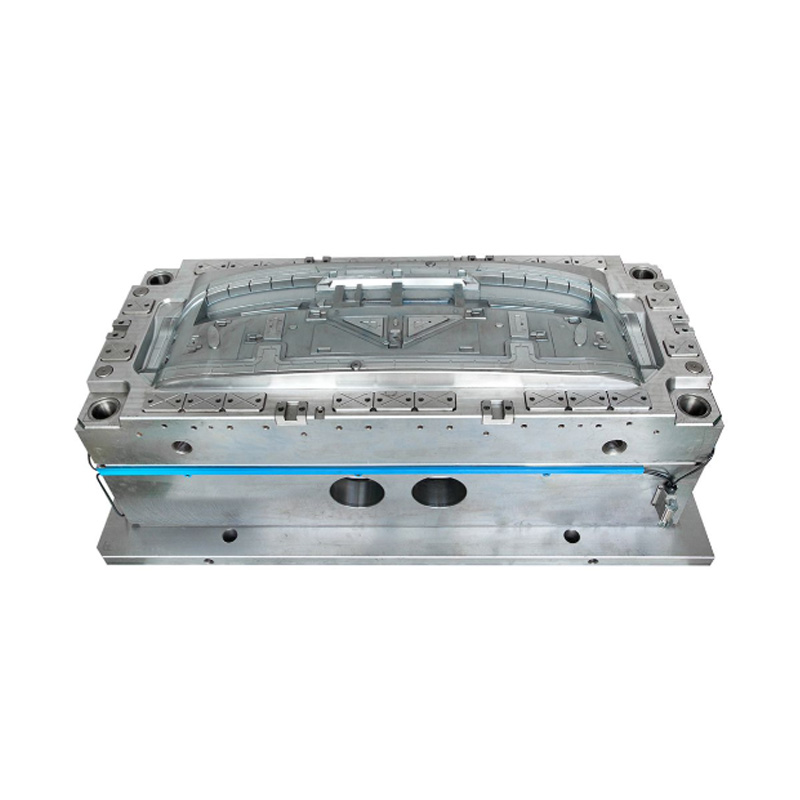
A Car Dashboard Manufacturer typically relies on injection moulding for plastics or composite components due to its precision and repeatability. Properly designed moulds are crucial for achieving a flawless dashboard surface and accurate fitting with adjacent interior parts.
Key Production Techniques:
Injection Moulding: Allows for complex shapes and smooth finishes.
Reinforcement Ribs: Improve structural rigidity without adding excessive weight.
Balanced Cooling Channels: Minimize warpage and shrinkage during production.
Attention to these details ensures dashboards meet tight assembly tolerances and functional specifications.
Addressing Common Car Dashboard Challenges
Even small deviations in dashboard dimensions can create noise, gaps, or poor integration with other interior elements. Car Dashboard Manufacturers must tackle issues like:
Surface Warping: Caused by uneven cooling or material inconsistencies.
Misalignment with Airbags: Precision moulding prevents interference with safety systems.
Panel Noise: Proper fit and structural support reduce rattling over time.
Proactive design and testing help manufacturers deliver reliable dashboards for various vehicle models.
Ergonomics and Electronics Integration
Modern dashboards integrate electronics, such as infotainment screens, sensors, and controls. A Car Dashboard must provide easy access without obstructing driver visibility or comfort.
Design Strategies:
Modular sections for electronics installation
Clear sightlines for instrument clusters
Adequate space for HVAC and wiring channels
These considerations reduce assembly complexity and improve the driving experience.
Durability Across Climates
Dashboards are exposed to temperature fluctuations, sunlight, and vibrations over years. A durable Car Dashboard maintains its shape and surface integrity, even in challenging conditions. Manufacturers account for expansion, contraction, and UV exposure when selecting materials and mould designs.
The Car Dashboard remains a critical interface between driver and vehicle, requiring precision in design, material, and manufacturing. A professional Car Dashboard Manufacturer plays a key role in producing dashboards that are visually appealing, durable, and functionally integrated, ensuring long-term performance and satisfaction.
What's Your Reaction?