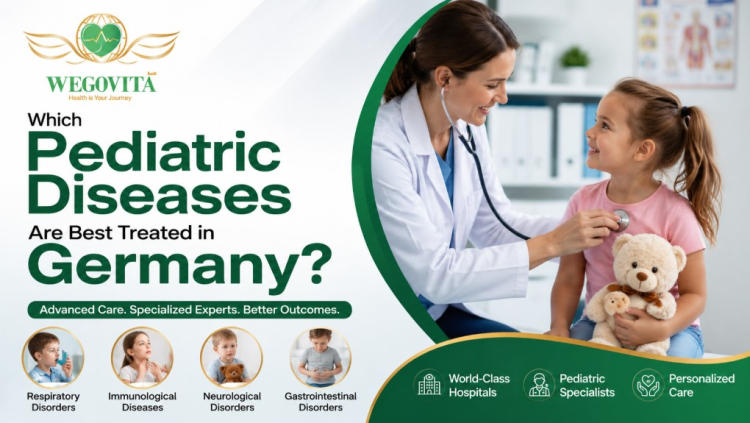
Which Pediatric Diseases Are Best Treated in Germany?
Discover which pediatric diseases are best treated in Germany with expert medical care and personalized support from WEGOVITA GmbH for international patients.

When a child is diagnosed with a serious or rare medical condition, parents naturally want access to the best possible treatment. Many families from Iraq, Egypt, Saudi Arabia, Oman, the United States, and Canada look beyond their home country to explore advanced healthcare options. Among the leading destinations for international pediatric care, Germany consistently stands out for its highly specialized children's hospitals, internationally recognized specialists, cutting edge technology, and patient centered treatment approach.


But one important question remains.
Which pediatric diseases are best treated in Germany?
The answer depends on your child's diagnosis, treatment needs, and long term care requirements. Germany is particularly well known for treating complex, rare, and difficult pediatric conditions that require multidisciplinary expertise and advanced medical technology.
This guide explains the pediatric diseases for which Germany is widely recognized, why families choose German hospitals, and how WEGOVITA GmbH helps international families access trusted pediatric healthcare with confidence.
Why Germany Has Become a Global Leader in Pediatric Healthcare
Germany has earned a strong international reputation because its healthcare system combines medical expertise with advanced research and family focused care.
Parents choose Germany because it offers:
-
Pediatric specialists with extensive experience
-
Children's hospitals equipped with modern diagnostic technology
-
Multidisciplinary treatment teams
-
Advanced pediatric intensive care units
-
Innovative surgical techniques
-
Personalized treatment plans
-
Strong rehabilitation programs
-
International patient departments
-
English speaking coordinators and interpreters
German hospitals focus not only on treating the disease but also on improving the child's quality of life.
Which Pediatric Diseases Are Best Treated in Germany?
Several pediatric specialties attract international patients each year.
Pediatric Cancer
Childhood cancer requires highly specialized treatment that combines accurate diagnosis, experienced oncologists, and advanced therapies.
Germany has become one of the preferred destinations for treating:
-
Leukemia
-
Lymphoma
-
Neuroblastoma
-
Bone cancers
-
Soft tissue sarcomas
-
Kidney tumors
-
Liver tumors
Treatment may include:
-
Chemotherapy
-
Precision diagnostics
-
Pediatric surgery
-
Radiation therapy
-
Stem cell transplantation
-
Immunotherapy where appropriate
Many hospitals participate in international pediatric oncology research programs, allowing children to benefit from evidence based treatment protocols.
Congenital Heart Disease
Heart defects are among the most common birth conditions worldwide.
German pediatric cardiac centers treat:
-
Ventricular septal defects
-
Atrial septal defects
-
Tetralogy of Fallot
-
Transposition of the great arteries
-
Complex congenital heart defects
-
Valve disorders
Specialized pediatric cardiac surgeons perform delicate procedures using advanced imaging and minimally invasive techniques whenever possible.
Many children return home with significantly improved heart function and quality of life.
Pediatric Neurological Disorders
Neurological diseases often require collaboration between neurologists, neurosurgeons, rehabilitation specialists, and therapists.
Germany provides advanced care for:
-
Cerebral palsy
-
Brain tumors
-
Hydrocephalus
-
Neuromuscular disorders
-
Developmental neurological disorders
-
Pediatric stroke
-
Spinal cord abnormalities
Treatment may involve:
-
High resolution brain imaging
-
Pediatric neurosurgery
-
Advanced epilepsy evaluation
-
Physical therapy
-
Occupational therapy
-
Speech therapy
-
Long term rehabilitation
Rare Genetic Disorders
Rare diseases can be difficult to diagnose accurately.
German university hospitals use advanced genetic testing to identify uncommon conditions.
Examples include:
-
Metabolic disorders
-
Inherited neurological diseases
-
Rare syndromes
-
Chromosomal abnormalities
-
Mitochondrial disorders
Early diagnosis often allows doctors to create personalized treatment plans that improve long term outcomes.
Pediatric Orthopedic Conditions
Germany is recognized for treating children with complex orthopedic problems.
These include:
-
Scoliosis
-
Hip dysplasia
-
Limb deformities
-
Bone tumors
-
Clubfoot
-
Congenital skeletal abnormalities
-
Growth plate disorders
Treatment options may include:
-
Corrective surgery
-
Minimally invasive procedures
-
External fixation systems
-
Pediatric rehabilitation
-
Customized physiotherapy
Pediatric Brain Tumors
Brain tumors require expertise from multiple specialties.
German hospitals combine:
-
Pediatric oncology
-
Neurosurgery
-
Radiology
-
Radiation oncology
-
Rehabilitation medicine
Children receive individualized treatment based on tumor type, location, and overall health.
Pediatric Gastrointestinal Disorders
Children with digestive diseases often require specialized pediatric gastroenterologists.
Germany treats:
-
Inflammatory bowel disease
-
Crohn's disease
-
Ulcerative colitis
-
Liver diseases
-
Pancreatic disorders
-
Intestinal malformations
-
Feeding disorders
Advanced diagnostic tools help physicians identify the exact cause of symptoms quickly.
Pediatric Kidney Diseases
Specialized pediatric nephrology centers manage:
-
Kidney failure
-
Congenital kidney disorders
-
Nephrotic syndrome
-
Urinary tract abnormalities
-
Dialysis
-
Kidney transplantation
Treatment plans emphasize preserving kidney function whenever possible.
Pediatric Respiratory Diseases
Children with chronic respiratory illnesses benefit from multidisciplinary care.
Conditions include:
-
Severe asthma
-
Cystic fibrosis
-
Chronic lung diseases
-
Congenital airway abnormalities
-
Sleep related breathing disorders
Advanced pulmonary testing supports accurate diagnosis and treatment planning.
Pediatric Endocrine Disorders
Hormonal disorders affect growth and development.
German pediatric endocrinologists treat:
-
Growth hormone deficiency
-
Thyroid disorders
-
Diabetes
-
Adrenal disorders
-
Puberty disorders
-
Metabolic conditions
Personalized treatment helps children achieve healthy growth.
Pediatric Immune System Disorders
Children with weakened immune systems often require highly specialized care.
Germany offers treatment for:
-
Primary immunodeficiency
-
Autoimmune diseases
-
Severe allergic disorders
-
Bone marrow disorders
Many hospitals combine immunology with hematology and genetics for comprehensive evaluation.
Why International Families Choose Germany
Parents often travel abroad because specialized expertise may not be available locally.
Germany offers several advantages.
Highly Specialized Children's Hospitals
Many hospitals are dedicated exclusively to pediatric medicine.
Children are treated by physicians who focus entirely on childhood diseases.
Advanced Diagnostic Technology
Modern diagnostic equipment includes:
-
High resolution MRI
-
Pediatric CT imaging
-
Genetic sequencing
-
Molecular diagnostics
-
Advanced laboratory testing
Accurate diagnosis leads to more effective treatment.
Multidisciplinary Care
Complex pediatric diseases require collaboration.
Treatment teams often include:
-
Pediatricians
-
Surgeons
-
Neurologists
-
Cardiologists
-
Rehabilitation therapists
-
Nutritionists
-
Psychologists
This coordinated approach improves patient outcomes.
Family Centered Treatment
German hospitals recognize that parents play an essential role in a child's recovery.
Many facilities provide:
-
Parent accommodation
-
Psychological support
-
Family counseling
-
Nutrition guidance
-
Rehabilitation education
Strong Infection Control Standards
Children with weakened immune systems require safe environments.
German hospitals follow strict infection prevention protocols to reduce treatment related risks.
What Is the Treatment Journey Like?
International families often wonder what to expect.
The typical process includes:
Step 1
Medical records are reviewed by specialists.
Step 2
Doctors recommend the most appropriate treatment plan.
Step 3
Appointments are scheduled.
Step 4
Families travel to Germany.
Step 5
Diagnosis is confirmed through advanced testing.
Step 6
Treatment begins.
Step 7
Follow up care is coordinated before returning home.
How WEGOVITA GmbH Supports International Families
Traveling abroad for pediatric treatment involves much more than choosing a hospital.
Families need trusted guidance throughout the process.
WEGOVITA GmbH helps international patients by simplifying every stage of their medical journey.
Support includes:
-
Hospital selection based on the child's diagnosis
-
Medical record review
-
Coordination with leading pediatric specialists
-
Appointment scheduling
-
Medical travel planning
-
Interpreter arrangements
-
Accommodation assistance
-
Treatment coordination
-
Follow up planning after returning home
This personalized approach allows parents to focus on their child's health instead of administrative challenges.
Who Should Consider Pediatric Treatment in Germany?
Germany may be an excellent option if your child:
-
Has a rare disease
-
Needs complex surgery
-
Requires a second medical opinion
-
Has not responded well to previous treatment
-
Needs advanced diagnostic testing
-
Requires multidisciplinary care
-
Needs long term rehabilitation
-
Requires highly specialized pediatric expertise
Early consultation can help determine whether treatment abroad is appropriate.
Questions Parents Should Ask Before Choosing a Hospital
Before making a decision, consider asking:
-
Does the hospital specialize in my child's condition?
-
How many similar cases are treated each year?
-
Which specialists will be involved?
-
What treatment options are available?
-
What are the expected outcomes?
-
How long will treatment take?
-
What rehabilitation services are included?
-
What follow up care will be needed after returning home?
These questions help parents make informed decisions.
Preparing for Medical Travel
Proper preparation makes the treatment journey smoother.
Parents should gather:
-
Medical reports
-
Imaging studies
-
Laboratory results
-
Medication lists
-
Vaccination records
-
Passport copies
-
Insurance documents if applicable
Having complete records allows specialists to review the child's condition before arrival.
Final Thoughts
Choosing medical treatment abroad is one of the most important decisions parents can make. Germany has become a trusted destination for families seeking expert care for complex pediatric diseases because of its experienced specialists, advanced medical technology, multidisciplinary treatment teams, and commitment to family centered care.
Whether your child needs treatment for cancer, congenital heart disease, neurological disorders, rare genetic conditions, orthopedic problems, or another complex illness, accessing the right expertise at the right time can make a meaningful difference.
With experienced medical coordination from WEGOVITA GmbH, international families can confidently navigate every stage of their healthcare journey, from hospital selection and appointment scheduling to treatment support and follow up planning.
Frequently Asked Questions
Is Germany a good destination for pediatric treatment?
Yes. Germany is internationally recognized for its specialized children's hospitals, experienced pediatric experts, advanced diagnostic technology, and comprehensive treatment programs for complex childhood diseases.
Which childhood cancers are commonly treated in Germany?
German hospitals treat leukemia, lymphoma, brain tumors, neuroblastoma, bone cancers, kidney tumors, and many other pediatric cancers using advanced multidisciplinary care.
Can children with rare diseases receive treatment in Germany?
Yes. Many university hospitals specialize in diagnosing and treating rare genetic, metabolic, neurological, and inherited disorders using advanced genetic testing and personalized treatment plans.
Do German hospitals provide treatment for congenital heart defects?
Yes. Pediatric cardiac centers perform surgeries and minimally invasive procedures for both simple and highly complex congenital heart conditions.
Is pediatric rehabilitation available after treatment?
Yes. Many hospitals offer rehabilitation programs that include physical therapy, occupational therapy, speech therapy, and long term follow up support.
How can international families arrange treatment in Germany?
Medical facilitators such as WEGOVITA GmbH assist families with hospital selection, appointment coordination, travel planning, interpreter services, and ongoing treatment support.
How long should families expect to stay in Germany?
The duration depends on the child's diagnosis, treatment plan, and recovery needs. Some treatments require only a short stay, while complex conditions may need extended care and rehabilitation.
What documents should parents prepare before traveling?
Parents should collect medical records, imaging reports, laboratory results, medication lists, passports, and any previous treatment history before consulting a German specialist.
Looking for the Best Pediatric Care in Germany?
Your child's health deserves expert attention. Contact WEGOVITA GmbH today to connect with leading pediatric specialists in Germany, receive personalized treatment guidance, and take the first confident step toward world class care tailored to your child's needs.
What's Your Reaction?