When Should You Use a 6 Well Cell Culture Plate?
A 6 Well Cell Culture Plate is designed for applications that need more growth area and working volume per well than smaller-format plates provide. For individually wrapped versions, packaging also plays an important role in maintaining sterility during storage, handling, and laboratory use.
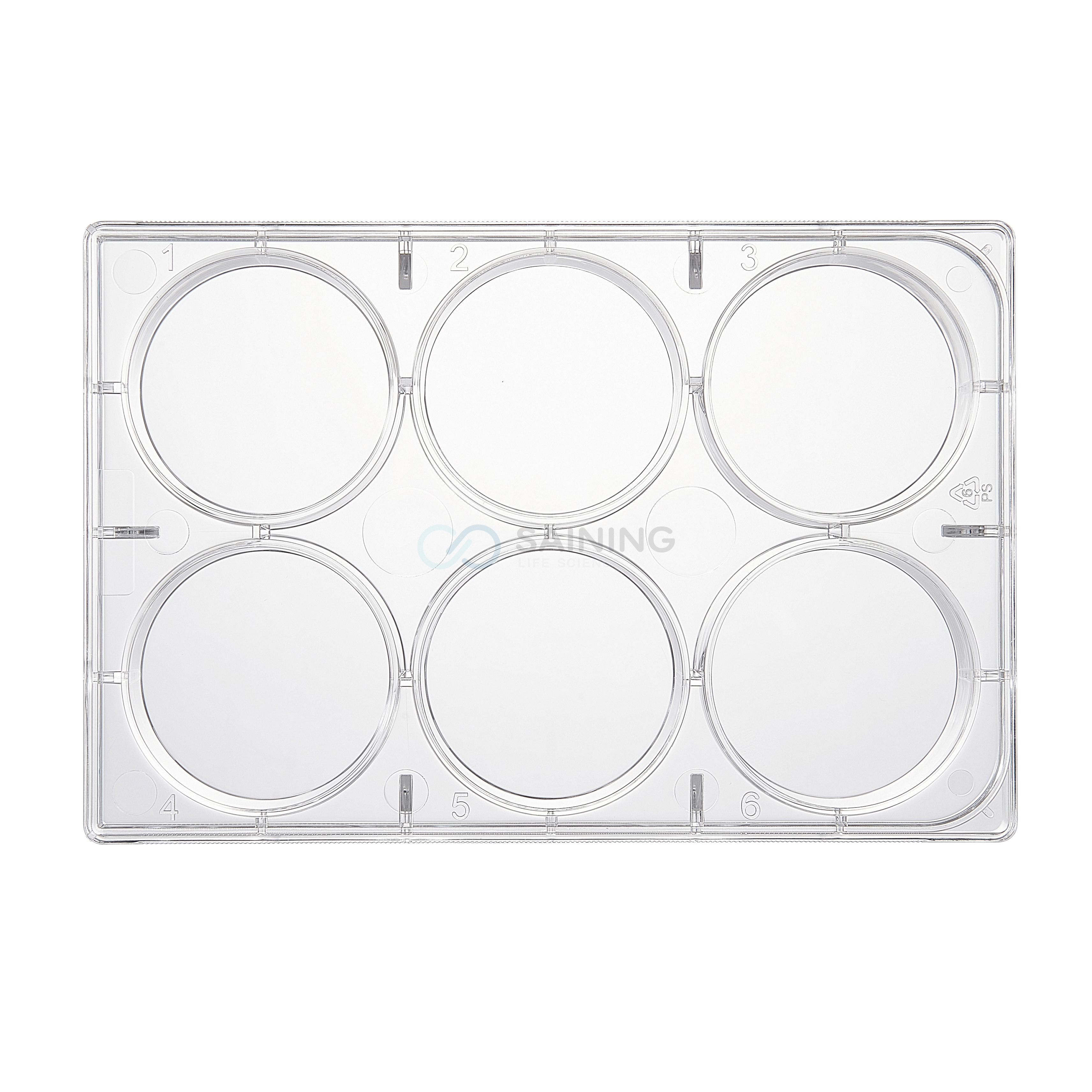
A 6 Well Cell Culture Plate is often selected when researchers need more space per well for cell growth, observation, or experimental preparation. Compared with high-density formats, the six-well layout provides a larger working area while keeping the number of samples manageable. For laboratories using individually packaged plates, however, the packaging format can be just as important as the plate itself.


Individual peelable wrapping keeps each 6 Well Cell Culture Plate separated from the others until it is needed. Once a case is opened, technicians can remove one plate without exposing the remaining units to the laboratory environment. This can be useful for experiments where contamination control is important, particularly when the plates are not consumed immediately after opening the outer carton.
The physical dimensions of each well also influence how the plate fits into a laboratory workflow. A typical six-well format provides considerably more growth area per well than a 96-well plate, making it suitable for experiments that require larger cell populations or more medium. Researchers may use this type of plate for cell morphology observation, transfection work, or other procedures where additional surface area is useful.
The lid and base design can also affect routine handling. A raised-edge lid can help reduce the chance of accidental contact with the well openings, while a stable base makes transferring the plate between workstations easier. Clear well identification and positioning marks are similarly useful when several plates are being handled during the same experiment.
Sterility documentation should be reviewed alongside the physical product. Buyers may need confirmation of sterile status as well as specifications such as non-pyrogenic, non-cytotoxic, DNase/RNase-free, or human DNA-free properties, depending on the intended application. These characteristics should be supported by appropriate quality documentation rather than assumed from a general product description.
For distributors, packaging consistency becomes especially relevant when ordering larger quantities. Individually wrapped 6 Well Cell Culture Plate units need consistent pouch sealing, labeling, and carton protection throughout production and transportation. If private-label packaging is required, buyers should also confirm whether pouch customization changes the minimum order quantity or production schedule.
Ultimately, selecting a 6 Well Cell Culture Plate is not simply about choosing six wells instead of another format. Growth area, working volume, sterility, packaging, handling design, and application-specific documentation all contribute to whether the plate fits the laboratory workflow as expected.
What's Your Reaction?