What Is the Best Thermal Imaging Camera for Your Needs?
Looking for the best thermal imaging camera? Learn what to consider, key features, applications, and how to choose the right thermal camera.
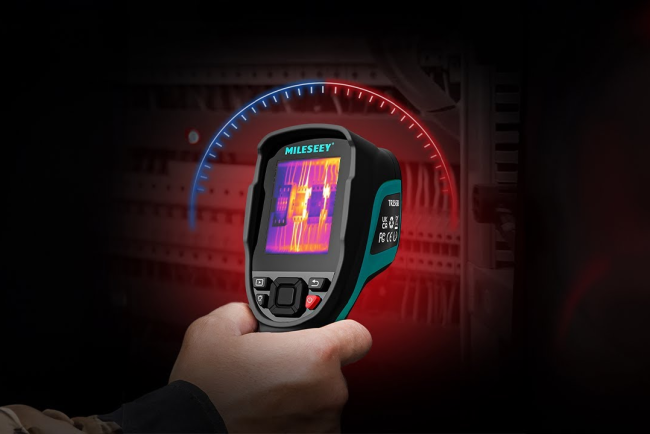
Choosing the best thermal imaging camera can be challenging when there are so many models, specifications, and features available today. Thermal cameras are used across a wide range of industries, including building inspections, electrical maintenance, mechanical diagnostics, automotive work, security, firefighting, and outdoor activities. The right camera can help you identify temperature differences that cannot be seen with the naked eye.


Unlike a standard digital camera, a thermal imaging camera detects infrared radiation and converts temperature variations into a visible image. This makes it possible to identify overheating components, heat loss, insulation problems, moisture-related issues, and other potential faults before they become more serious.
However, the most expensive camera is not necessarily the right choice for every user. Image resolution, thermal sensitivity, temperature range, accuracy, software, durability, and ease of use should all be considered before making a purchase. Understanding these factors will help you select a thermal imaging camera that fits your specific requirements.
How Does a Thermal Imaging Camera Work?
A thermal imaging camera detects infrared energy emitted by objects and surfaces. Every object above absolute zero emits some level of infrared radiation. The camera's thermal sensor captures this radiation and processes it into an image that represents differences in temperature.
Instead of showing visible colours in the same way as a conventional camera, thermal imaging systems typically use a colour palette to represent temperature variations. Hotter areas may appear brighter, while cooler areas may be represented by darker or contrasting colours.
The technology is particularly useful when a problem cannot be identified through visual inspection alone.
For example, an electrical connection may look perfectly normal from the outside while producing excessive heat because of a loose connection. With thermal imaging, that temperature anomaly can be detected without physically touching the component.
What Should You Look for in the Best Thermal Imaging Camera?
The right thermal camera depends on how and where it will be used. A professional electrician may require different specifications from a homeowner checking insulation or a technician inspecting machinery.
Several important factors should be evaluated before choosing a model.
Thermal Resolution
Thermal resolution determines how much detail can be displayed in a thermal image. Cameras with higher resolutions generally provide more pixels, allowing smaller temperature differences and objects to be represented more clearly.
Common resolutions range from entry-level options with relatively low pixel counts to professional cameras offering much higher thermal detail.
A higher resolution can be particularly valuable when:
- Small components need to be inspected.
- The camera will be used from a greater distance.
- Electrical panels contain numerous components.
- Detailed building inspections are being performed.
- Mechanical equipment contains small areas of abnormal heat.
For basic household inspections, extremely high resolution may not always be necessary. For professional diagnostics, however, investing in better thermal resolution can make the inspection process significantly easier.
Thermal Sensitivity
Thermal sensitivity, often expressed as NETD, refers to how well a thermal camera can detect small temperature differences.
A camera with better thermal sensitivity can identify subtle changes that may otherwise be difficult to see.
This feature becomes important when detecting:
- Minor insulation problems
- Small temperature variations in electrical equipment
- Moisture-related temperature changes
- Early mechanical faults
- Uneven heating or cooling
When comparing the best thermal imaging camera options, thermal sensitivity should be considered alongside resolution rather than being overlooked.
What Temperature Range Do You Need?
Different applications require different temperature ranges. Before purchasing a camera, consider the maximum and minimum temperatures you are likely to encounter.
For example, a homeowner checking heating systems may not need the same temperature range as an industrial technician working around high-temperature machinery.
A suitable temperature range may be influenced by:
- Electrical inspection requirements
- HVAC systems
- Industrial machinery
- Automotive components
- Heating equipment
- Building materials
- Laboratory or technical applications
Selecting a camera with a suitable measurement range will help ensure that temperatures can be measured safely and accurately.
Why Is Temperature Accuracy Important?
Thermal imaging is not only about producing attractive colour images. Accurate temperature measurement is often the most important part of a professional inspection.
Temperature accuracy can be affected by several factors, including emissivity, distance, environmental conditions, reflections, and the surface material being measured.
For this reason, users should understand how the camera handles temperature measurement rather than relying solely on the visual appearance of a thermal image.
Professional users should also pay attention to features such as:
- Adjustable emissivity
- Temperature measurement points
- Maximum and minimum temperature tracking
- Temperature alarms
- Measurement areas
- Calibration information
These features can provide more useful diagnostic information during an inspection.
Which Thermal Imaging Camera Is Best for Home Inspections?
Homeowners and property inspectors often use thermal cameras to identify potential issues around buildings. A thermal camera can reveal temperature differences around windows, doors, ceilings, walls, radiators, electrical systems, and other areas.
Potential applications include:
- Detecting heat loss
- Finding areas with inadequate insulation
- Identifying cold spots
- Investigating suspected moisture problems
- Checking underfloor heating
- Inspecting heating systems
- Finding unusual electrical heat
A compact thermal camera may be sufficient for occasional household inspections. It should be easy to operate, lightweight, and capable of providing clear thermal images.
What Makes a Thermal Camera Suitable for Electrical Inspections?
Electrical inspections require careful consideration because overheating can indicate a potential fault. Thermal imaging can be used to identify abnormal heat patterns in electrical panels, breakers, cables, connections, and other components.
However, thermal imaging does not replace proper electrical testing. It should be used as part of a wider inspection process.
For electrical professionals, useful features may include:
- High thermal resolution
- Accurate temperature measurement
- Wide temperature range
- Adjustable emissivity
- Hot and cold spot detection
- Image storage
- Report-generation software
- Durable construction
An overheating connection may be identified through thermal imaging before a visible failure occurs, which can help technicians investigate the issue earlier.
Is a Thermal Imaging Camera Useful for Mechanical Inspections?
Yes. Thermal imaging is widely suited to mechanical troubleshooting because many mechanical problems generate abnormal heat.
Bearings, motors, pumps, belts, compressors, and other machinery can develop temperature patterns that indicate wear or operational problems.
For example, a bearing that is operating at an unusually high temperature may require further inspection. Similarly, an uneven temperature pattern across a motor could indicate a potential problem.
Thermal inspection can therefore be incorporated into preventive maintenance programs.
Some of the main benefits include:
- Faster inspections
- Non-contact temperature measurement
- Early identification of abnormal heat
- Reduced equipment downtime
- Easier documentation
- Improved maintenance planning
What Features Make a Thermal Imaging Camera Easier to Use?
Technical specifications are important, but usability should not be ignored. A camera with advanced features can still be frustrating if it is difficult to operate.
A user-friendly thermal camera should ideally offer an intuitive interface and simple controls.
Useful features can include:
- Touchscreen controls
- Clear menus
- Digital zoom
- Multiple colour palettes
- Adjustable temperature settings
- Image and video recording
- Built-in storage
- Wi-Fi or Bluetooth connectivity
- Smartphone compatibility
- PC reporting software
Images can be transferred to a computer or mobile device for further analysis and reporting when connectivity features are available.
Why Does Image Quality Matter?
Image quality plays an important role when thermal images need to be reviewed later. A clear image can make abnormal temperature patterns easier to identify and document.
Some thermal cameras also include a visible-light camera. This allows users to compare a conventional image with the corresponding thermal image.
Certain models provide features such as:
- Picture-in-picture displays
- Thermal and visible image blending
- Digital image enhancement
- Automatic temperature markers
- Multiple colour palettes
These features can make reports easier to understand, particularly when thermal images are being shared with clients or maintenance teams.
Should You Choose a Handheld or Smartphone Thermal Camera?
Both formats can be useful, but their suitability depends on the application.
Handheld Thermal Cameras
Dedicated handheld cameras are generally designed for professional inspection work. They often include larger displays, physical controls, stronger housings, and more advanced measurement capabilities.
They may be preferable for:
- Professional inspectors
- Electricians
- HVAC technicians
- Industrial maintenance teams
- Building surveyors
Smartphone Thermal Cameras
Smartphone-connected thermal cameras are compact and convenient. They can be useful for quick inspections and users who already rely heavily on mobile devices.
They may be suitable for:
- Homeowners
- DIY inspections
- Basic troubleshooting
- Portable use
- Occasional maintenance checks
The appropriate choice will depend on the level of detail and functionality required.
How Much Should You Spend on a Thermal Imaging Camera?
Thermal imaging cameras are available at different price points. Entry-level models can be relatively affordable, while professional systems can cost significantly more.
Instead of choosing based solely on price, consider the value provided by the camera.
A higher-priced model may be justified when it offers:
- Higher thermal resolution
- Better thermal sensitivity
- Greater measurement accuracy
- Wider temperature range
- Advanced reporting tools
- Stronger durability
- Professional software
- Additional inspection features
For occasional household use, a basic model may provide everything necessary. Professionals who rely on thermal inspections as part of their work may benefit from investing in more advanced equipment.
How Can You Choose the Right Thermal Imaging Camera?
The best approach is to start with your intended application rather than focusing on a specific brand or price.
Ask yourself what you need the camera to accomplish.
Consider the following checklist:
- What will you inspect?
- What temperatures will you encounter?
- How much thermal detail do you need?
- Will measurements need to be documented?
- Do you need image or video recording?
- Will the camera be used indoors, outdoors, or both?
- Do you need smartphone connectivity?
- How frequently will the camera be used?
- Does the camera need to withstand demanding working conditions?
- Will thermal reports need to be created for clients?
Once these questions have been answered, it becomes easier to compare different models based on relevant specifications.
Common Mistakes to Avoid When Buying a Thermal Camera
Buying a thermal imaging camera without understanding its intended application can result in unnecessary spending or inadequate performance.
Some common mistakes should be avoided.
Choosing Only by Price
The cheapest camera may not provide the resolution or measurement capabilities required for professional inspections.
Focusing Only on Resolution
Resolution is important, but thermal sensitivity, accuracy, temperature range, and software can be equally valuable.
Ignoring Emissivity
Different materials emit infrared energy differently. A camera with adjustable emissivity can provide more useful temperature measurements across different surfaces.
Forgetting About Software
Inspection reports can be an important part of professional work. Software capabilities should therefore be considered before purchasing.
Buying More Features Than Necessary
On the other hand, purchasing an expensive professional camera for occasional household checks may not provide meaningful additional value.
Final Thought
Finding the best thermal imaging camera is ultimately about matching the camera's capabilities to the job you need it to perform. Resolution, thermal sensitivity, temperature accuracy, measurement range, software, durability, and ease of use should all be evaluated before a decision is made. Whether you are inspecting a building, troubleshooting electrical equipment, maintaining machinery, or carrying out routine maintenance, the right thermal camera can make hidden temperature patterns much easier to identify. By focusing on practical requirements instead of simply choosing the most expensive option, you can select a thermal imaging solution that provides useful results and long-term value.
What's Your Reaction?