What Are the Symptoms of Abdominal Pain?
Abdominal pain is one of the most common reasons people seek medical attention. It can range from mild discomfort to severe, debilitating pain and may arise from a wide variety of underlying causes.
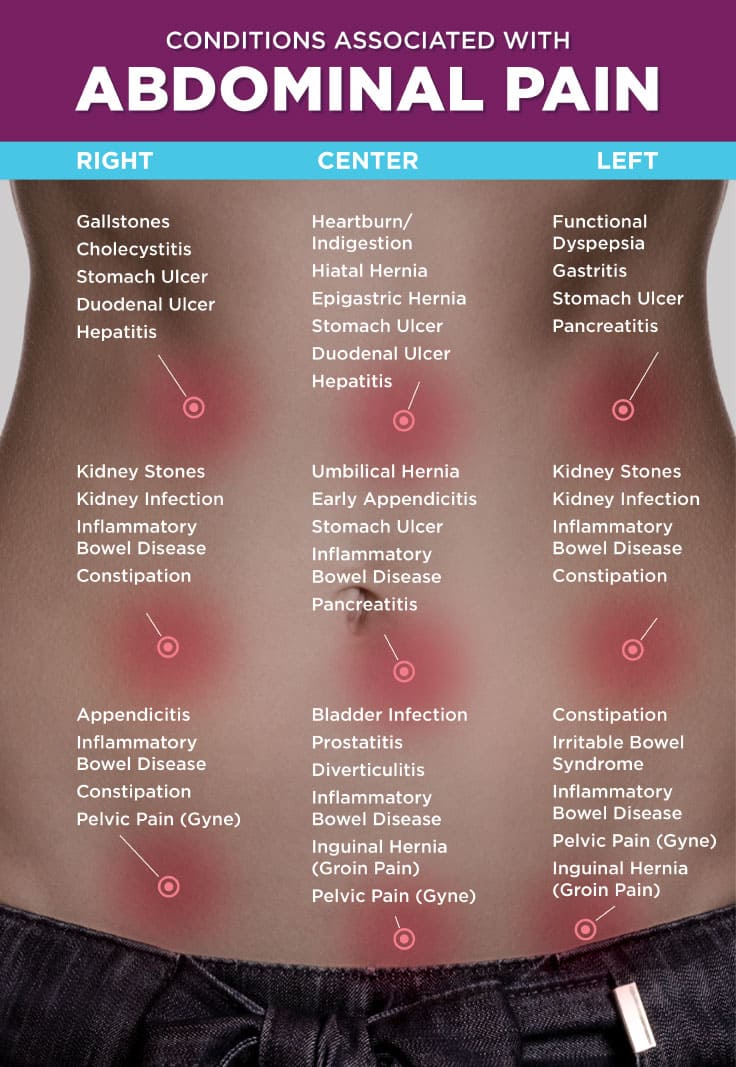
Abdominal pain is one of the most common reasons people seek medical attention. It can range from mild discomfort to severe, debilitating pain and may arise from a wide variety of underlying causes. Understanding the symptoms of abdominal pain is critical, as the characteristics of the pain often provide important clues about its origin, severity, and urgency.


The abdomen houses multiple organ systems, including the digestive tract, liver, pancreas, kidneys, reproductive organs, and major blood vessels. Because of this complexity, abdominal pain presents in many different forms, each associated with distinct symptom patterns.
General Characteristics of Abdominal Pain
One of the primary symptoms is the pain itself, but its quality, location, timing, and associated features vary considerably. Abdominal pain may be described as:
-
Cramping or colicky pain, often linked to intestinal spasms
-
Sharp or stabbing pain, which may indicate inflammation or organ irritation
-
Dull or aching pain, commonly associated with chronic conditions
-
Burning pain, frequently related to acid reflux or gastritis
-
Pressure or fullness, sometimes connected to bloating or constipation
The pain may be localized to a specific area or diffuse across the abdomen. It can develop suddenly (acute abdominal pain) or gradually over time (chronic abdominal pain).
Location-Based Symptoms
The location of abdominal pain is a key symptom that helps narrow potential causes:
-
Upper abdominal pain may be associated with stomach disorders, liver conditions, gallbladder disease, or pancreatitis.
-
Lower abdominal pain can relate to intestinal issues, urinary tract problems, or reproductive system conditions.
-
Central abdominal pain often involves the small intestine or early-stage appendicitis.
-
Right-sided abdominal pain may signal gallbladder inflammation or appendicitis.
-
Left-sided abdominal pain can be linked to diverticular disease or colonic issues.
In some cases, pain may radiate to other areas, such as the back, chest, or groin, which is also considered an important symptom.
Digestive Symptoms Associated With Abdominal Pain
Abdominal pain is frequently accompanied by other gastrointestinal symptoms, including:
-
Nausea and vomiting, which may suggest infection, obstruction, or inflammation
-
Diarrhea, commonly seen in infections, food intolerance, or inflammatory bowel disease
-
Constipation, which may cause bloating and cramping pain
-
Excessive gas or bloating, often associated with functional digestive disorders
-
Loss of appetite, particularly in inflammatory or infectious conditions
-
Heartburn or acid regurgitation, indicating possible upper gastrointestinal involvement
In some parasitic infections, abdominal pain may be mild but persistent and accompanied by changes in bowel habits. Discussions around intestinal parasites sometimes appear in commercial health contexts, including pharmaceutical supply chains such as mebendazole wholesale markets, although symptom recognition remains the first step in identifying a potential problem.
Systemic and Constitutional Symptoms
In addition to localized discomfort, abdominal pain may occur with systemic symptoms, which suggest a more widespread condition:
-
Fever or chills, indicating infection or inflammation
-
Fatigue or weakness, often associated with chronic or systemic illness
-
Unintentional weight loss, which can be a warning sign of serious gastrointestinal disease
-
Sweating or clamminess, sometimes seen in severe pain or shock
-
Dizziness or fainting, which may occur with internal bleeding or dehydration
The presence of systemic symptoms alongside abdominal pain typically warrants prompt medical evaluation.
Symptoms Related to Urinary and Reproductive Systems
Abdominal pain can also present with symptoms related to the urinary or reproductive systems:
-
Painful or frequent urination, suggesting urinary tract involvement
-
Blood in urine, which may be associated with kidney stones or infection
-
Pelvic pain, especially in women, which may be linked to menstrual cycles or gynecological conditions
-
Pain during sexual activity, another potential reproductive symptom
-
Testicular or groin pain, which may radiate into the abdomen in men
These symptoms highlight the importance of considering non-digestive causes when evaluating abdominal pain.
Acute Versus Chronic Abdominal Pain Symptoms
Acute abdominal pain develops suddenly and is often severe. It may be accompanied by nausea, vomiting, fever, or abdominal rigidity. These symptoms can indicate conditions that require urgent care.
Chronic abdominal pain, on the other hand, persists for weeks or months. Symptoms may fluctuate in intensity and are often associated with long-term conditions such as functional gastrointestinal disorders, inflammatory diseases, or chronic infections. In such cases, abdominal pain may be mild but recurring, affecting quality of life.
Pain Severity and Behavioral Symptoms
Another important symptom category involves how the pain affects behavior:
-
Inability to sit still, often seen with colicky pain
-
Preference for lying still, commonly associated with inflammatory pain
-
Sleep disturbances, particularly with chronic abdominal discomfort
-
Reduced daily functioning, which can indicate ongoing or worsening conditions
Changes in posture, movement, or daily habits due to abdominal pain are clinically relevant symptoms.
When Abdominal Pain Symptoms Should Not Be Ignored
Certain symptom combinations are considered warning signs, including:
-
Severe or worsening pain
-
Pain accompanied by persistent vomiting
-
Abdominal pain with fever and stiffness
-
Pain with blood in stool or vomit
-
Sudden pain in individuals with existing medical conditions
These symptoms may indicate serious underlying issues and require immediate medical assessment.
Conclusion
The symptoms of abdominal pain are diverse and multifaceted, reflecting the complexity of the abdominal cavity and the many systems it contains. Pain characteristics, associated digestive symptoms, systemic signs, and behavioral changes all play a role in understanding the nature of the discomfort.
While discussions about treatments and pharmaceutical distribution, including topics such as mebendazole wholesale supply, often arise in broader healthcare conversations, symptom awareness remains the foundation of early recognition and appropriate care. Identifying patterns in abdominal pain symptoms is essential for determining when further evaluation is necessary and for supporting timely medical intervention.
What's Your Reaction?