Irritable Bowel Syndrome (IBS) Treatment Market: Growth Outlook, Trends, and Strategic Insights
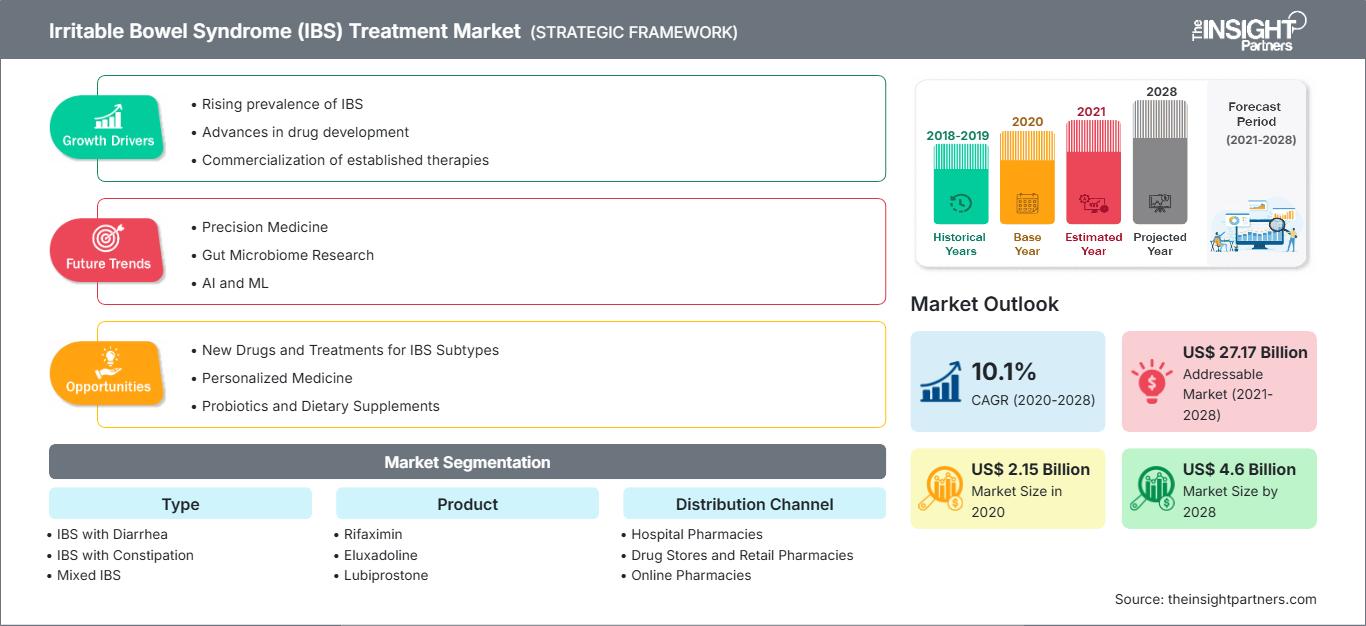
According to industry analysis, the irritable bowel syndrome (IBS) Treatment Market is expected to grow at a CAGR of 10.1% from 2021 to 2028, highlighting its robust expansion potential and increasing investment attractiveness.
The Irritable Bowel Syndrome (IBS) Treatment Market is gaining strong traction globally as the prevalence of gastrointestinal disorders continues to rise and awareness around digestive health improves. IBS is a chronic functional gastrointestinal condition characterized by abdominal pain, bloating, constipation, and diarrhea, significantly impacting patients’ quality of life. With no definitive cure available, long-term symptom management has become the cornerstone of IBS treatment, driving sustained demand for therapeutic solutions.


According to industry analysis, the irritable bowel syndrome (IBS) Treatment Market is expected to grow at a CAGR of 10.1% from 2021 to 2028, highlighting its robust expansion potential and increasing investment attractiveness.
Market Overview and Size Perspective
IBS affects an estimated 10–15% of the global population, with higher diagnosis rates in developed healthcare systems. The growing disease burden, combined with underdiagnosis in emerging markets, indicates a substantial untapped patient pool. As pharmaceutical innovation accelerates and diagnostic accuracy improves, the market is witnessing steady revenue growth.
Key factors supporting market expansion include:
- Rising patient awareness and early diagnosis
- Increased healthcare spending on gastrointestinal disorders
- Expansion of prescription-based and OTC treatment options
North America currently holds a dominant share of the irritable bowel syndrome (IBS) Treatment Market, driven by advanced healthcare infrastructure and high diagnosis rates. Meanwhile, Asia-Pacific is emerging as a high-growth region due to improving access to healthcare, growing urbanization, and changing dietary habits.
Key Drivers Fueling Market Growth
The growth of the irritable bowel syndrome (IBS) Treatment Market is supported by multiple clinical and commercial drivers:
- Rising prevalence of IBS linked to stress, sedentary lifestyles, and dietary changes
- Growing demand for targeted pharmacological therapies, including IBS-C and IBS-D specific drugs
- Increased research and development activities focused on novel mechanisms of action
- Expanding geriatric population, which is more prone to chronic gastrointestinal disorders
- Greater acceptance of long-term symptom management therapies
Additionally, increasing physician awareness and improved clinical guidelines are helping standardize treatment approaches across regions.
Market Segmentation Overview
The Irritable Bowel Syndrome (IBS) Treatment Market can be segmented based on treatment type, disease subtype, and distribution channel.
By Treatment Type
- Antidiarrheal agents
- Laxatives
- Antispasmodics
- Antibiotics
- Antidepressants
- Probiotics
By Disease Type
- IBS with constipation (IBS-C)
- IBS with diarrhea (IBS-D)
- Mixed IBS (IBS-M)
By Distribution Channel
- Hospital pharmacies
- Retail pharmacies
- Online pharmacies
Among these, IBS-D and IBS-C targeted therapies account for a significant share due to their higher diagnosis rates and availability of approved prescription drugs.
Emerging Trends Shaping the Market
Several trends are redefining the competitive landscape of the irritable bowel syndrome (IBS) Treatment Market:
- Personalized treatment approaches: Physicians are increasingly adopting individualized therapy plans based on symptom patterns and patient response
- Microbiome-based therapies: Growing research on gut microbiota is leading to the development of novel probiotic and microbiome-modulating treatments
- Pipeline innovation: Pharmaceutical companies are investing in next-generation drugs with improved efficacy and reduced side effects
- Shift toward combination therapy: Use of multiple drug classes to manage complex IBS symptoms is becoming more common
These trends are creating new growth avenues while intensifying competition among market players.
Regulatory and Reimbursement Landscape
Regulatory authorities continue to emphasize safety, efficacy, and long-term tolerability of IBS medications. While stringent approval processes may lengthen development timelines, they also enhance product credibility. Favourable reimbursement scenarios in developed markets further support treatment adoption, especially for prescription therapies.
Growth Opportunities and Strategic Outlook
The Irritable Bowel Syndrome (IBS) Treatment Market presents strong opportunities for stakeholders:
- Expansion into emerging markets with large undiagnosed populations
- Development of novel drugs targeting gut-brain interaction
- Strategic collaborations between pharma companies and research institutions
- Growth of OTC and online pharmacy channels improving treatment accessibility
Companies that focus on innovation, patient-centric solutions, and geographic expansion are likely to gain a competitive advantage.
Conclusion
In summary, the irritable bowel syndrome (IBS) Treatment Market is on a strong growth trajectory, driven by rising disease prevalence, expanding therapeutic options, and increasing healthcare awareness. With a projected CAGR of 10.1% from 2021 to 2028, the market offers significant opportunities for pharmaceutical manufacturers, healthcare providers, and investors. Strategic investments in R&D, personalized medicine, and emerging markets will be critical to long-term success in this evolving healthcare segment.
What's Your Reaction?