Truck Hammock: A Practical Guide to Safer, More Comfortable Rest on the Road
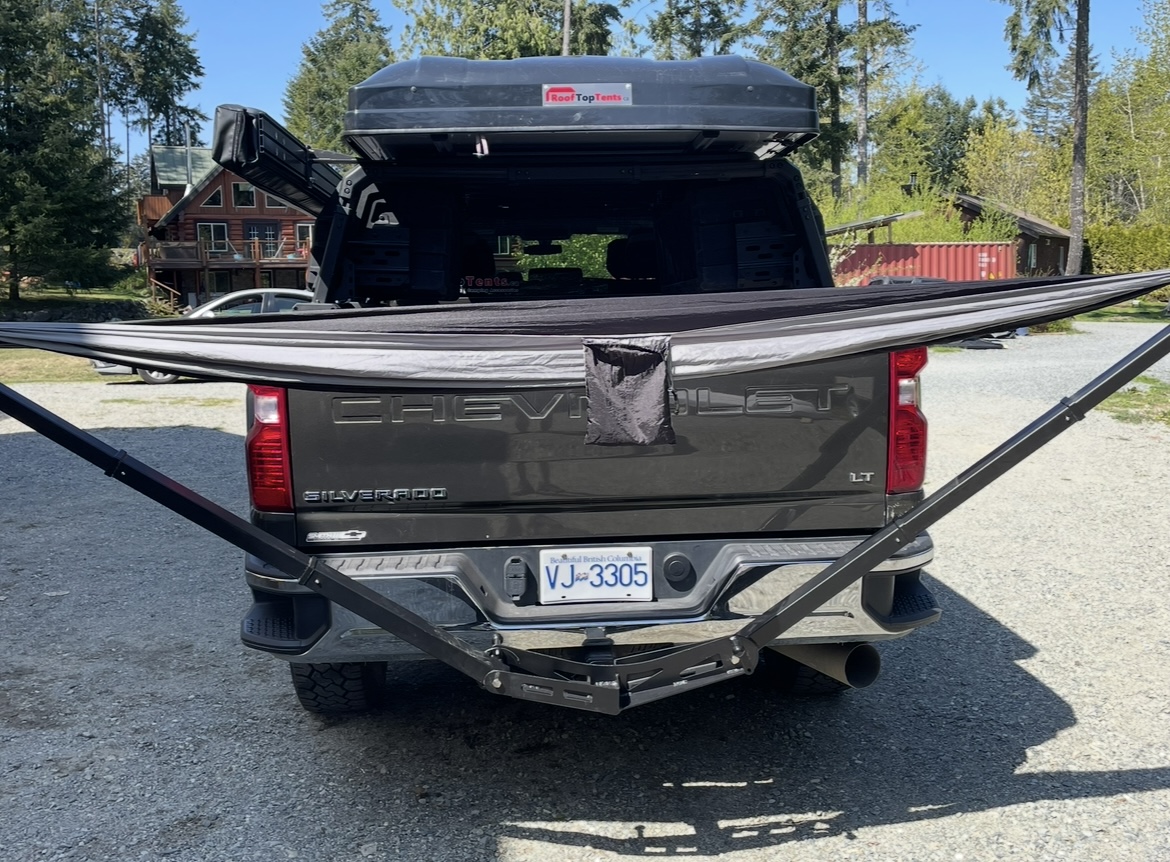
Long-haul driving can put serious strain on a truck driver’s body, especially when rest opportunities are limited and cab space is already crowded. A well-designed truck hammock can provide an alternative resting surface that helps drivers use available space more efficiently without turning the sleeping area into a permanent fixture.


For professional drivers, comfort is not simply a luxury. Poor sleeping conditions can contribute to fatigue, stiffness, discomfort, and reduced alertness. Since fatigue is a major concern in commercial driving, creating a practical rest environment can make a meaningful difference. The key is choosing an appropriate setup and using it correctly rather than treating a hammock as a replacement for proper sleep facilities in every situation.
What Is a Truck Hammock?
A truck hammock is a suspended resting surface designed for use inside or around a truck, depending on its construction and intended application. Unlike a conventional mattress, it supports the body using tensioned fabric connected to secure anchor points.
The concept is particularly useful where space is limited. A hammock can potentially be stored or removed when the space is needed for other purposes. This makes the idea attractive to some truck owners, campers, and drivers who want a flexible resting option.
However, not every hammock is suitable for truck use. A product designed for recreational outdoor use may not have the appropriate dimensions, attachment system, load rating, or material durability for a vehicle environment.
Why Drivers Consider Hammocks
Truck cabs can become uncomfortable when drivers spend extended periods away from home. Even sleeper cabs with built-in beds may have limited room for personal belongings and equipment.
A hammock-style sleeping surface can offer several potential advantages:
-
Efficient use of vertical space
-
Easy storage when not needed
-
Lightweight construction
-
Better airflow around the body
-
A flexible alternative to bulky sleeping equipment
-
Potentially easier cleaning than some traditional bedding
The benefits depend heavily on the specific truck, hammock design, and installation method.
How to Choose the Right Truck Hammock
Selecting a hammock should start with safety rather than appearance or price. A comfortable product is not useful if its suspension system cannot safely handle the intended load.
1. Check the Weight Capacity
Always verify the manufacturer's stated weight rating. Consider the combined weight of the person, clothing, bedding, and anything else that will remain on the hammock.
Do not assume that a higher capacity automatically means greater safety. The strength of the entire system matters, including straps, hooks, attachment points, stitching, and supporting structures.
2. Examine the Attachment System
The attachment method is one of the most important considerations.
A hammock should only be connected to structural points that are specifically suitable for the load. Improvised attachment to weak trim, handles, unsecured fixtures, or unrelated interior components can create a dangerous failure point.
If installation requires modifying the truck, consult the vehicle documentation or a qualified professional before drilling, bolting, or altering structural components.
3. Consider Size and Cab Layout
Measure the available space before purchasing anything.
A hammock that works comfortably in one truck may be completely impractical in another. Consider the distance between potential anchor points, available headroom, door clearance, storage areas, and access to emergency equipment.
The hammock should also avoid interfering with normal vehicle operation.
4. Evaluate the Fabric
Material affects comfort, durability, cleaning, and temperature regulation.
Breathable fabrics can be useful in warmer conditions because they allow more airflow than some conventional sleeping surfaces. Heavy-duty materials may provide better durability, but they can also be less breathable.
Look for reinforced stitching and construction appropriate for repeated use.
Step-by-Step Guide to Setting Up a Truck Hammock
Once you have confirmed that the hammock is appropriate for your truck, approach setup methodically.
Step 1: Inspect the Truck
Identify approved or structurally appropriate attachment points. Check for loose components, damaged hardware, sharp edges, and anything that could contact the hammock fabric.
Step 2: Read the Manufacturer's Instructions
Do not rely entirely on previous hammock experience. Different suspension systems can have very different requirements.
Follow the manufacturer's instructions for attachment, tension, orientation, and weight limits.
Step 3: Install the Suspension System
Attach each connection carefully and verify that hardware is fully secured. Avoid twisting straps or placing them against sharp surfaces.
The hammock should sit level enough to provide a stable resting position.
Step 4: Test It Gradually
Before relying on the hammock for overnight rest, test the installation under controlled conditions.
Apply weight gradually and inspect each connection point. Look for slipping, excessive stretching, unusual noises, damaged stitching, or movement in the attachment points.
Step 5: Check Clearance
Make sure the hammock does not obstruct doors, controls, emergency equipment, or other essential areas.
If it interferes with access or creates a trip hazard, reposition it or remove it.
Common Mistakes and Challenges
One common mistake is treating a truck hammock like a regular backyard hammock. Vehicle interiors present different constraints, and not every surface can safely serve as an anchor.
Another problem is excessive tension. Drivers may assume that tighter always means safer or more comfortable. In reality, excessive tension can place additional stress on attachment points and fabric.
Poor positioning can also cause discomfort. If the hammock is installed too low, it may interfere with storage or movement. If it is too tight or poorly positioned, pressure can develop around the shoulders, hips, or lower back.
Temperature is another consideration. A hammock may provide excellent airflow during warm weather but offer less insulation than a mattress during cold conditions. Appropriate bedding underneath and above the body can help address this issue.
Practical Tips for Better Use
Inspect the hammock regularly, particularly if it is used frequently. Look for frayed fabric, stretched stitching, damaged straps, corrosion, or loose hardware.
Keep the hammock clean and dry. Sweat and moisture can gradually affect materials, while storing damp fabric can encourage unpleasant odors and deterioration.
Use bedding that fits the hammock without creating excessive weight or restricting movement. A lightweight sleeping bag or appropriately sized blanket may work better than bulky bedding.
Most importantly, never compromise safe vehicle operation for convenience. A resting system should be used only when the truck is properly parked and the driver is off duty.
Drivers should also recognize that equipment cannot compensate for inadequate sleep. A comfortable sleeping arrangement can improve the resting environment, but it does not eliminate the need for sufficient, consistent sleep.
When a Truck Hammock May Not Be Appropriate
A hammock is not automatically the best solution for every driver.
Drivers with limited cab space may find that a conventional sleeper berth is more practical. Others may prefer a mattress because it provides a more familiar sleeping surface and easier support for certain sleeping positions.
A hammock may also be unsuitable when there are no safe attachment points or when installation would require questionable modifications.
The best choice depends on the truck configuration, intended use, driver's comfort preferences, and safety requirements.
Conclusion
A truck hammock can be a practical way to create a flexible resting surface when space and convenience matter. However, successful use depends on more than simply hanging fabric between two points.
Choosing the right weight capacity, inspecting attachment points, following installation instructions, testing the setup, and maintaining the equipment are essential steps. Drivers should also consider temperature, comfort, cab layout, and access to critical equipment.
Ultimately, the goal is not to find the smallest or most convenient sleeping solution. It is to create a safe, comfortable, and practical resting environment that supports better recovery during long periods on the road.
What's Your Reaction?