The Best Pull Baby Milo Collaborations of All Time (And Why They Still Matter)
Achetez des articles streetwear BAPE® authentiques en France. Sweats à capuche, vestes et BAPE STA. Livraison gratuite et retours sous 30 jours,

Long before "collab culture" became a marketing buzzword, Bape was already using partnerships to expand its reach without diluting its core identity. Pairing Baby Milo with outside characters, artists, or brands let the company test new audiences while keeping camo patterns and mascot artwork as a consistent thread. This approach turned limited releases into cultural events, where the value of a piece came as much from the partnership story as from the garment itself.


Blending Streetwear With Animation Culture
Some of the most memorable pull baby milo pieces came from pairing the mascot with classic animated characters, reimagining familiar faces in Bape's signature illustration style. These crossovers worked because they respected both source materials rather than simply slapping a logo onto existing artwork. The result felt like genuine creative dialogue, which is part of why collectors still search out these early crossover pieces decades later, treating them as snapshots of a specific design era.
Music Culture's Role in Driving Demand
Hip-hop's embrace of Bape during the 2000s turned artist-driven collaborations into some of the most sought-after releases in the brand's history. Musicians didn't just wear the clothing — they actively shaped which colorways and graphics gained cultural momentum. A bape tee shirt tied to a specific artist era often carries value beyond its design alone, since it represents a documented moment when streetwear and music scenes were actively influencing each other's aesthetic direction in real time.
Cross-Brand Partnerships That Redefined Expectations
Bape's willingness to collaborate with brands far outside streetwear expanded what people expected from the category entirely. These partnerships reworked Baby Milo's soft aesthetic against completely different design languages, producing pieces that felt genuinely experimental rather than predictable. Collectors often point to this era as proof that Bape wasn't just recycling its mascot for easy sales — it was actively testing how far the character's visual identity could stretch without losing recognizability.
The Hoodie Bape as a Collaboration Canvas
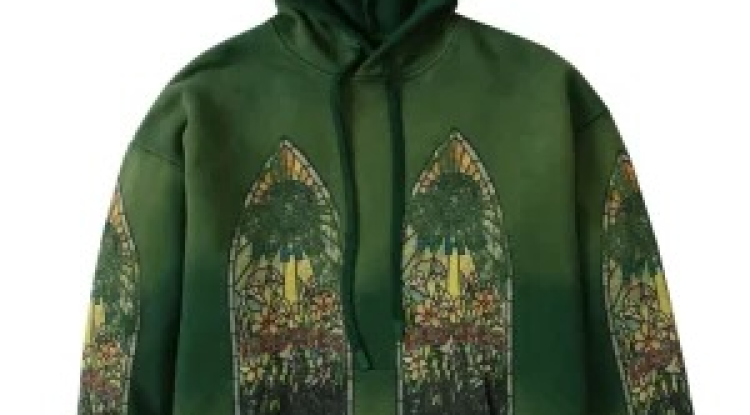
Outerwear gave collaborations more room to experiment than graphic tees ever could, and the hoodie bape became a favorite format for joint releases. Its structured silhouette allowed partner brands to rework panel placement, embroidery, or hardware without losing the recognizable hood shape. These collaborative hoodies often became the most talked-about pieces of an entire collection, since outerwear naturally draws more attention in resale markets than smaller accessory or graphic tee releases.
Why the Veste Requin Rarely Gets Reworked
Unlike the hoodie bape, the veste requin has stayed relatively untouched by outside collaboration, and that restraint is intentional. The shark-face silhouette is so tied to Bape's own identity that reworking it risks diluting what makes it recognizable in the first place. When collaborations do touch this piece, changes tend to stay subtle, focusing on colorway or fabric rather than altering the structural design that made the jacket iconic in the first place.
Limited Runs and the Collector Mentality
Every notable collaboration shared one structural trait: scarcity. Small production runs meant certain pull baby milo pieces sold out within hours, immediately pushing resale prices well above retail. This scarcity wasn't accidental — it reinforced the idea that owning a piece meant catching a specific moment rather than simply buying a product. That mentality shaped how an entire generation of collectors approached streetwear, treating drops as cultural events rather than routine shopping.
Collaborations That Aged Into Archive Pieces
Not every partnership held up over time, but the ones that did share a common trait: they told a story bigger than the clothing itself. Pieces tied to specific artists, animation partnerships, or cross-industry experiments continue circulating in resale markets precisely because they represent documented cultural moments. Newer collectors researching these archive pieces often find themselves learning as much about broader pop culture history as they do about Bape's own design evolution.
How Modern Collaborations Reference the Past
Recent Bape releases frequently nod back to earlier collaborative eras, reworking familiar Baby Milo pairings or revisiting design details from older partnership pieces. This isn't laziness — it's a deliberate acknowledgment that certain collaborations became foundational to the brand's identity. A modern bape tee shirt referencing an older partnership gives newer collectors a way to engage with that history without needing to track down increasingly rare and expensive original pieces from decades earlier.
Reading Collaboration History Through Resale Value
Resale markets offer a surprisingly clear lens into which collaborations actually mattered versus which ones simply generated short-term hype. Pieces that hold or increase in value years after release tend to share strong storytelling, limited production, and genuine creative risk-taking rather than superficial branding exercises. Studying these patterns helps newer collectors understand which upcoming collaborations might carry lasting significance versus which ones are likely to fade once the initial release excitement passes.
Why These Partnerships Still Matter Today
The best bape collaborations succeeded because they treated partnership as genuine creative exchange rather than a marketing shortcut. That philosophy shaped everything from graphic tees to structured outerwear, giving the brand a collaborative track record that newer streetwear labels still study and reference. Understanding this history isn't just useful for collectors chasing specific pieces — it explains why Bape's approach to partnership continues influencing how the entire streetwear industry thinks about collaboration.
What's Your Reaction?