Solar Pool Heating Maintenance Tips for Better Performance
Learn practical solar pool heating maintenance tips to improve system performance, maintain efficient heating, reduce energy waste, and extend equipment life.
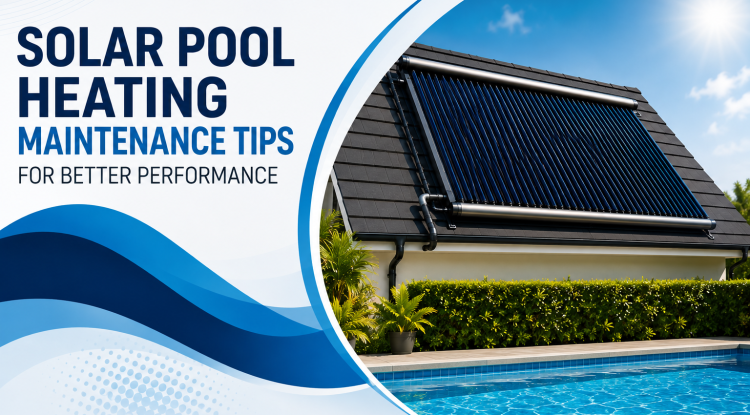
Is your pool losing heat even on sunny days? Many owners invest in solar and then see performance fade from dirt, poor flow, or small leaks.


This guide gives you a complete playbook. You will learn how to keep solar pool heating efficient year round and what to look for when evaluating solar pool heating packages for long-term ease.
We base these tips on SRCC-certified standards, installer best practices, and field experience.
Why Regular Care Matters For Solar Pool Heating
Clean collectors deliver 10 to 15 percent more thermal energy than dirty ones. Dust, pollen, and leaves block sunlight and lower gain.
Regular care also protects the warranty. Most manufacturers require basic inspections and documented cleaning to keep coverage valid.
Daily and Weekly Cleaning Checklist
Small habits prevent big losses. A few minutes each week keeps your system near peak without extra cost.
Remove Debris From Collectors
Use a soft bristle brush or low-pressure hose. Never use harsh chemicals or abrasive pads that scratch glazing.
Check for new shade from tree growth. Even partial shade reduces output and creates uneven stress.
Keep the pool area tidy.
Trim branches and rinse dust off nearby surfaces. A clean roof or rack reduces debris blowing back onto panels.
Optimize Water Flow and Filtration
Heat transfer depends on steady flow. If water moves too slowly or too fast, efficiency drops and heating time rises.
Check pump and filter pressure.
Clean or backwash the filter when pressure rises 8 to 10 psi above baseline. A clogged filter cuts flow to collectors.
Listen for unusual pump noise. Keep strainer baskets empty and lubricate per schedule.
Maintain Proper Chemical Balance
Keep pH between 7.2 and 7.6 and chlorine in range. Imbalanced water can scale or corrode exchangers and piping.
Test water twice weekly in season. Balanced chemistry protects components from premature wear.
Inspect Controllers, Valves, and Connections
Automation controls when heat is harvested. Faulty sensors or valves waste potential heat.
Test Solar Controller and Sensors
Verify roof and water sensors read accurately. The controller should divert water only when collectors are warmer than pool water.
Inspect wiring and grounding. Turn power off before touching electrical parts and follow safety labels.
Look for leaks and loose clamps.
Check silicone connections, stainless clamps, and PVC joints monthly. Small drips cause water loss and air entry.
Fix leaks promptly. Air in a loop reduces circulation and can cause noisy operation or vapor lock.
Seasonal Care: Winterizing and Spring Startup
Seasonal transitions cause most damage. A simple routine prevents freeze cracks and extends lifespan.
Winterizing Steps For Cold Climates
Turn off the controller and pump to stop the flow. Open drain valves and let panels fully drain.
Use low-pressure compressed air to clear remaining water. Use a tarp if heavy snow is expected.
Spring Startup Checklist
Reconnect components and inspect for winter damage. Look for cracked glazing, loose mounts, and worn seals.
Run a quick pressure check. Monitor inlet and outlet temperature. A healthy rise shows good absorption.
Choosing the Right Solar Pool Heating Packages for Easier Upkeep
Pre-engineered kits reduce upkeep because parts are matched and tested. Look for SRCC certification and a frost-proof and chemical-resistant build.
Quality kits include an automatic air vent at the high point, a matched pump station, and clear sizing guidance. This cuts guesswork and service calls.
Modular designs with long warranties and UV-stabilized materials last longer. They also make expansion simple if use grows.
When To Call A Professional
You can handle cleaning, filter care, and visual checks. Call a certified tech for electrical issues, persistent low flow, or internal scaling. Schedule annual inspection. Techs verify flow rates, valve operation, and calibration. This visit often pays for itself.
For durable, high-efficiency options, SolarTubs offers SRCC-certified flat plate and Thermax systems built for easy upkeep and long life. Its kits are noted for strong thermal performance and reliable support.
To Sum Up
Consistent cleaning, balanced water, and seasonal care keep your investment delivering free heat daily. Follow these steps and your solar pool heating system stays efficient, reliable, and cost-effective.
If upgrading or planning a new install, comparing solar pool heating packages on build quality, warranty, and included controls helps you choose a system that stays easy to maintain.
Frequently Asked Questions
How Often Should I Clean My Solar Collectors?
Monthly during swim season and after storms. In dusty areas, clean every two to three weeks.
What Is The Ideal Flow Rate For Best Heating?
Moderate flow that lets water warm without stalling works best. Follow the manual for the target range.
How Do I Know If My System Has A Leak?
Watch for pressure drops, damp spots, or unexplained water loss. Inspect clamps and vents and get pro testing.
Should I Use a Pool Cover with Solar Heating?
Yes. A cover cuts evaporation, the top heat loss source. It can cut overnight loss by up to 70 percent.
Can I Winterize My System Myself?
In mild climates you can drain and cover. In freezing regions, have a pro verify complete drainage.
What's Your Reaction?