Guide To Garden Tours In Melbourne: 7 Secret Spots Locals Won’t Share...
Melbourne’s garden tours showcase a blend of native flora, historic estates, & hidden laneway oases that most visitors miss

Melbourne’s garden tours showcase a blend of native flora, historic estates, & hidden laneway oases that most visitors miss — In this guide I’ll walk you through seven off‑the‑beaten‑path locations, explain how to fit them into a single day, and give tips on weather, transport, and kid‑friendly options. By the end you’ll know exactly which spots to add to your Melbourne garden tours itinerary and why they’re worth the detour.


Why Melbourne’s Gardens Deserve A Tour
From the cool autumn evenings that bring a burst of colour to the city’s parks, Melbourne’s climate creates a year‑round garden show. The city’s Victorian heritage means many public spaces are landscaped by famous designers, while suburbs like Fitzroy hide pockets of reclaimed industrial land turned into lush community gardens. The result is a diverse tapestry of plantings you can’t find anywhere else.
What typically happens is locals stroll through these green spaces on weekends, but they rarely share the exact routes that reveal the best views. That’s why a curated garden tour can turn a routine walk into a discovery of hidden water features, rare Australian natives, & seasonal blooms that only a few know about.
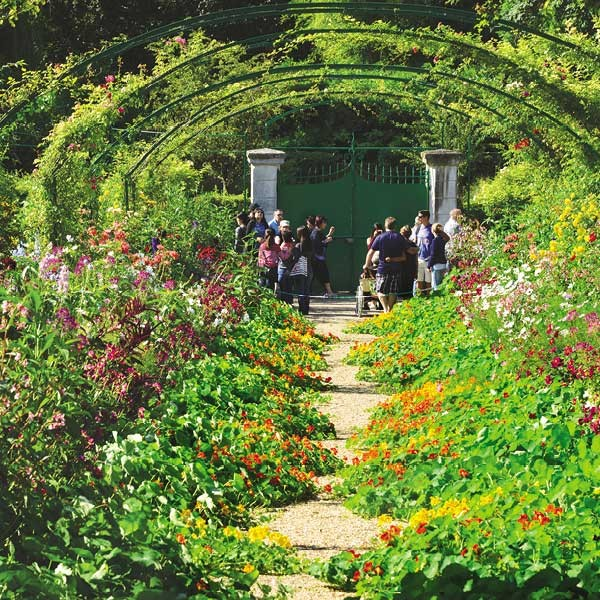
Spot #1: The Hidden Courtyard at Royal Botanic Gardens Victoria
The Royal Botanic Gardens Victoria tours are a staple, but most people stay on the main pathways — Tucked behind the Herbarium, a quiet courtyard houses a collection of rare camellias and a small pond that reflects the surrounding trees. It’s a perfect spot for a reflective pause before you head to the more crowded Palm Grove.
How To Access The Courtyard
Enter from the Birdwood Avenue side walk past the Conservation Garden and look for a low stone wall with a wooden gate. The gate is usually unlocked during daylight hours but you’ll need to make sure you’re not breaking any signage. The courtyard opens onto a stone bench that’s ideal for a quick coffee break.
● Best time to visit: early morning especially in spring when the camellias bloom.
● What to bring: a reusable water bottle and a lightweight rain jacket, as Melbourne weather can shift quickly.
● Nearby highlight: the adjacent Australian Native Garden, which showcases over 200 species of indigenous plants.
Spot #2: Yarra Valley Heritage Garden Walk
The Yarra Valley isn’t just for wine; its heritage gardens offer a peaceful escape from the city’s hustle. The most secluded stretch runs along the Yarra River where old stone walls frame a series of terraced flower beds that date back to the 1880s — This walk is part of the larger Yarra Valley garden walks network but the heritage section is often overlooked.
In my experience, the best way to experience it is to start at the Yarra Valley Heritage Centre, then follow the marked trail that winds past the historic homestead. You’ll pass a small orchard of heritage apple trees & a pergola covered in wisteria that blooms spectacularly in late October.
Seasonal Highlights
● Autumn: deep reds and golds from the maple trees.
● Winter: striking silver foliage of eucalyptus species.
● Spring: a carpet of native wildflowers, including the iconic kangaroo paw.
Spot #3: Laneway Green Oasis in Fitzroy
Fitzroy’s laneways are famous for street art, but a few hidden gardens blend art with nature. The most secret of these is behind a former bakery on Gertrude Street, where a community group has created a pocket garden with recycled pallets, succulents, & a small outdoor sculpture. It’s a micro‑garden that feels like a private retreat.
But the real magic happens when you follow the mural trail that leads you to the garden’s entrance — The wall art tells the story of Melbourne’s green movement, & the garden itself uses rainwater barrels that collect runoff from the street above.
● What to look for: a painted sign reading “Community Garden – Please Respect the Space”.
● Kid‑friendly feature: a low‑height sandbox made from reclaimed timber.
● Nearby café: a vegan café on Brunswick Street, perfect for a post‑tour snack.
Spot #4: Australian Native Plant Sanctuary at Dandenong Ranges —
The Dandenong Ranges host a dedicated Australian native plant sanctuary that’s a must‑see for any garden tours enthusiast. The sanctuary spans 15 hectares and showcases everything from towering mountain ash to delicate waratahs. It’s managed by a volunteer group that offers free guided walks on the first Saturday of each month.
What typically happens is the guide points out the ecological relationships between the plants and local wildlife, such as the platypus that sometimes visits the nearby creek. You’ll also learn about fire‑adapted species that regenerate after bushfires, a topic that’s especially relevant after the 2026 summer season.
Practical Tips
● Parking: limited spaces at the main entry, so arrive early.
● Footwear: sturdy shoes are recommended for the uneven forest floor.
● Timing: the sanctuary is open year‑round, but the spring months (September‑November) offer the most vibrant displays.
Spot #5: Historic Villa Gardens of Kew
Kew’s historic villas are often hidden behind high fences, but a few have opened their gardens to the public on a rotating schedule — One standout is the Willsmere Estate, where a formal Victorian garden sits beside a modern sustainable garden that uses compost tea and mulching — The contrast makes for an educational garden tours experience.
And the best part is the seasonal flower show that runs every two weeks during the summer showcasing heirloom roses peonies, & a variety of Australian natives that have been grafted onto traditional hedges — The event is free but you need to register online to manage the limited visitor numbers.
● Highlight: a Victorian glasshouse that houses a collection of exotic orchids.
● Nearby attraction: the Kew Brickworks, a heritage site with a monthly market.
● Accessibility: the garden paths are wheelchair‑friendly, with gentle gradients.
Spot #6: Community Garden Lab in St Kilda
St Kilda’s Community Garden Lab is a hub for urban growers & a showcase of innovative gardening techniques. The garden features vertical farms, hydroponic towers, and a rooftop that harvests rainwater for irrigation. It’s a perfect example of how Melbourne’s garden tours are evolving to include tech‑forward practices.
From what I’ve seen, the lab hosts monthly workshops that teach visitors how to grow herbs in small spaces, which is ideal for city dwellers with limited balcony room. The garden also runs a “Kids Planting Day” where children can plant native seedlings and learn about pollinator‑friendly gardening.
What to Expect
● Free entry for all ages.
● Hands‑on activity stations that rotate weekly.
● Guided tours available on request, focusing on sustainable practices.
Spot #7: Night Bloom Garden at Melbourne Botanic Gardens
During the summer months, the Melbourne Botanic Gardens hosts a Night Bloom Garden that transforms the usual daytime experience into a luminous adventure. Glow‑in‑the‑dark installations, lantern‑lit pathways, and nocturnal pollinator displays create a magical setting for evening garden tours.
But the event isn’t just about aesthetics; it also includes talks by botanists about night‑blooming species like the night‑flowering jasmine and the moonflower. Um, these sessions are free, though you’ll need to bring a light‑weight blanket if you plan to stay for the full program.
● Best time: after sunset, especially on clear evenings in January.
● What to bring: a portable charger for your phone, as the garden’s Wi‑Fi is limited.
● Nearby transport: a short walk from the St Kilda beach tram stop.
Planning Your Garden Tour: Timing, Weather, and Transport
Melbourne’s weather can swing from a sunny 25°C morning to a sudden 12°C drizzle by afternoon. The key is to check the Bureau of Meteorology forecast the night before and pack layers. Honestly, a lightweight waterproof jacket and a pair of sunglasses are essential for any garden tours day.
And public transport is the most reliable way to hop between spots — The tram network connects the city centre to Fitzroy and St Kilda, while the V/Line train service reaches the Yarra Valley and Dandenong Ranges. For those who prefer driving, most sites have limited parking, so consider a car‑share service to avoid the hassle.
Sample Itinerary —
● 08:30 – Start at Royal Botanic Gardens Victoria courtyard.
● 10:00 – Catch tram 86 to Fitzroy for the laneway oasis.
● 12:00 – Lunch at a vegan café on Brunswick Street.
● 13:30 – Train to Yarra Valley for the heritage garden walk.
● 16:00 – Return to the city for the Night Bloom Garden.
Making the Most of Guided Garden Tours: Kids, Accessibility, Private Options
Guided garden tours in Melbourne often include a specialist guide who can tailor the experience for families, seniors, or corporate groups. For kids, look for tours that incorporate interactive elements like scavenger hunts or seed‑planting stations. These activities keep children engaged while teaching them about native ecology.
But if you prefer a private experience, many venues offer bespoke garden tours melbourne that can be booked in advance. You’ll get a dedicated guide, a custom route, and the flexibility to linger at spots that interest you most. Just make sure to book at least two weeks ahead, especially during peak festival periods.
● Accessibility: most public gardens have paved paths and wheelchair‑friendly ramps.
● Kids: “Kids Planting Day” at St Kilda’s Community Garden Lab.
● Private tours: available at Heritage Botanic Gardens Victoria and Kew’s historic villas.
Conclusion
Melbourne’s garden tours reveal a city that loves its green spaces as much as its coffee culture. From the hidden courtyard at the Royal Botanic Gardens Victoria to the night‑time glow of the Botanic Gardens, each spot offers a unique slice of local flora, history, and community spirit. By planning around the weather, using public transport, and choosing the right mix of guided and self‑guided experiences, you’ll get the most out of every visit. So grab your walking shoes, pack a light jacket, and explore the secret gardens that Melbourne locals keep to themselves.
What's Your Reaction?