Reliable Industrial Equipment That Powers Modern Infrastructure


Industrial growth is driven by careful planning, dependable equipment, and efficient resource management. Across construction sites, manufacturing facilities, utility projects, and logistics operations, every stage depends on reliable transportation and secure storage. Businesses that invest in durable equipment benefit from smoother operations, lower maintenance costs, and improved productivity over the long term.
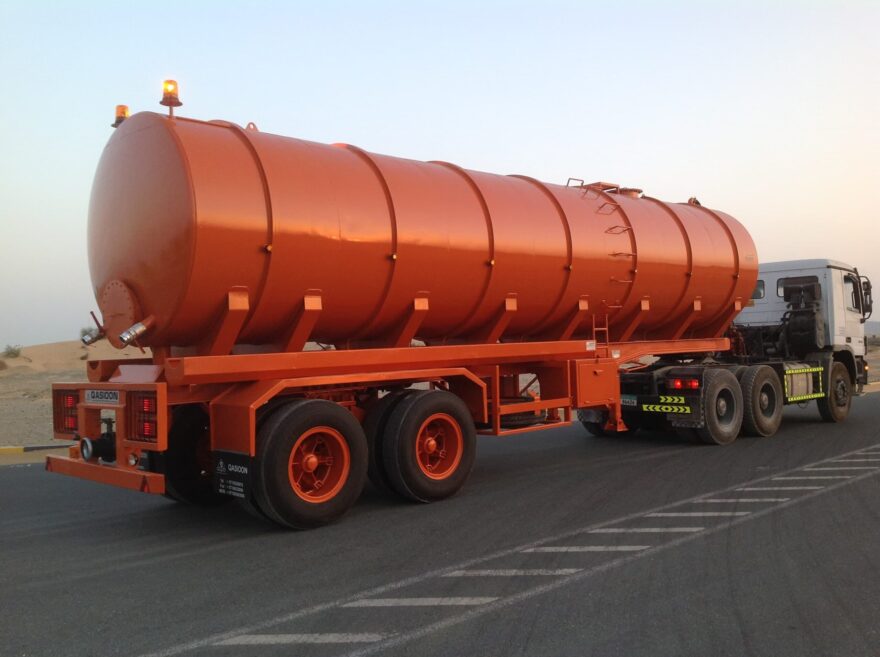
Selecting the right equipment requires more than comparing specifications. Organizations must consider operating conditions, safety requirements, future expansion, and overall efficiency. Companies searching for dependable Sewage Tanker UAE solutions often prioritize durability, operational reliability, and compliance with industry standards to ensure uninterrupted performance in demanding environments.
Building an Efficient Material Management System
Successful industrial operations rely on a well-organized flow of materials from one stage to another. Delays caused by unsuitable equipment can increase expenses and affect project completion timelines.
An effective material management strategy includes:
-
Reliable transportation systems
-
Safe loading and unloading procedures
-
Organized storage facilities
-
Regular equipment inspections
-
Preventive maintenance planning
-
Skilled equipment operators
When these components work together, businesses achieve greater operational efficiency while reducing unnecessary downtime.
Equipment Designed for Tough Conditions
Industrial equipment is expected to perform under challenging circumstances, including heavy workloads, harsh weather, and continuous daily use. Strong engineering and quality materials play a major role in ensuring dependable operation.
Important design features include:
-
Reinforced structural construction
-
Corrosion-resistant surfaces
-
Heavy-duty suspension systems
-
Stable weight distribution
-
Reliable braking mechanisms
These features improve durability while extending the operational life of the equipment.
Why Storage Infrastructure Matters
Transportation alone cannot maintain industrial productivity. Proper storage systems ensure valuable materials remain protected, organized, and readily accessible whenever needed.
Well-planned storage offers several advantages:
-
Better inventory management
-
Reduced material damage
-
Improved workplace organization
-
Faster operational processes
-
Enhanced safety throughout the facility
Choosing storage systems that match operational requirements allows businesses to maintain efficient workflows while reducing unnecessary waste.
Selecting the Right Storage Capacity
Every industry has unique storage requirements based on production levels, available space, and material characteristics.
Before investing, organizations should evaluate:
-
Current storage demands
-
Future expansion plans
-
Site accessibility
-
Maintenance requirements
-
Environmental conditions
-
Safety regulations
Careful planning helps maximize available space while supporting long-term operational growth.
Businesses requiring dependable storage infrastructure frequently choose an experienced Trailer Manufacturers In UAE to supply transport equipment that complements efficient industrial logistics and supports large-scale operations.
Improving Workplace Safety
Safety remains one of the most important priorities in industrial environments. Reliable equipment combined with responsible operating procedures significantly reduces workplace risks.
Essential safety practices include:
-
Routine equipment inspections
-
Operator training programs
-
Clearly defined loading limits
-
Scheduled maintenance activities
-
Safe traffic management
-
Immediate reporting of equipment issues
Organizations that prioritize safety often experience fewer disruptions and improved operational performance.
Preventive Maintenance Protects Investments
Industrial equipment represents a significant investment. Regular maintenance keeps systems operating efficiently while reducing unexpected repair costs.
Recommended maintenance tasks include:
-
Inspecting brake systems
-
Checking tire condition
-
Lubricating moving components
-
Monitoring suspension performance
-
Examining structural integrity
-
Testing lighting and electrical systems
Consistent maintenance extends service life while maintaining reliable performance.
Supporting Sustainable Industrial Operations
Modern industries increasingly recognize the value of sustainable operating practices. Efficient equipment helps reduce fuel consumption, minimize waste, and improve overall resource utilization.
Businesses can strengthen sustainability by:
-
Optimizing transportation routes
-
Following preventive maintenance schedules
-
Extending equipment lifespan
-
Recycling suitable materials
-
Improving operational planning
These practical measures contribute to both environmental responsibility and cost savings.
Preparing for Future Growth
Industrial operations continue evolving as project requirements become more complex. Organizations that invest in adaptable equipment today are better prepared to meet future demands.
Long-term planning may involve:
-
Expanding transportation capacity
-
Modernizing equipment fleets
-
Increasing storage efficiency
-
Enhancing workforce skills
-
Continuously reviewing operational performance
A forward-thinking approach helps businesses remain competitive while supporting sustainable growth.
Creating a Reliable Operational Foundation
Strong industrial performance is built through consistent planning, dependable equipment, and continuous improvement. Businesses that regularly evaluate transportation systems, maintenance programs, and storage infrastructure create operations capable of adapting to changing industry requirements.
Reliable equipment not only supports productivity but also improves safety, reduces operating costs, and strengthens overall business performance.
Conclusion
Modern industrial success depends on efficient transportation, organized storage, and responsible equipment management. Investing in durable infrastructure helps businesses improve productivity, reduce downtime, and support long-term operational goals. By combining effective planning, preventive maintenance, and dependable equipment, organizations can build resilient operations capable of meeting today's industrial challenges while remaining prepared for future opportunities.
What's Your Reaction?