Premature Ovarian Failure Treatment in Dubai: Personalized Premature Ovarian Failure Treatment in Dubai
Premature Ovarian Failure Treatment in Dubai can involve much more than managing irregular periods or individual symptoms.
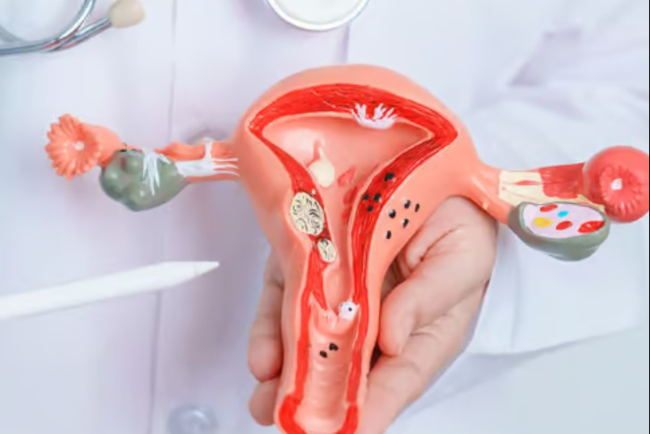
Premature ovarian failure, more commonly referred to in current medical practice as primary ovarian insufficiency (POI), is a condition in which the ovaries stop functioning normally before the age of 40. It may affect menstrual cycles, estrogen production, fertility, bone health, and overall wellbeing. Unlike natural menopause, ovarian activity in POI can sometimes be intermittent, meaning that ovarian function may occasionally resume even after diagnosis.


For women looking for Premature Ovarian Failure Treatment In Dubai, personalized medical care can help address hormonal changes, menstrual concerns, fertility goals, and long-term health needs. EV Clinic Dubai can provide an individualized approach based on a woman's symptoms, medical history, laboratory findings, reproductive plans, and overall health.
What Is Premature Ovarian Failure?
Premature ovarian failure is a term historically used to describe ovarian dysfunction occurring before 40. Healthcare professionals increasingly use the term primary ovarian insufficiency because ovarian function may not stop permanently in every patient. Some women may continue to have occasional ovulation or menstrual activity after diagnosis.
The ovaries normally produce hormones such as estrogen and release eggs during the reproductive years. With POI, ovarian follicular activity becomes reduced or unpredictable, resulting in lower estrogen production and changes in menstrual patterns.
Women may experience:
Irregular or Absent Periods
Periods may become less frequent, unpredictable, or stop altogether. Changes in menstruation can be one of the earliest signs that ovarian function is changing.
Hot Flashes and Night Sweats
Reduced estrogen levels may contribute to temperature-related symptoms, including hot flashes and night sweats.
Vaginal Dryness
Lower estrogen levels can affect vaginal tissues, potentially resulting in dryness or discomfort.
Sleep and Mood Changes
Some women experience sleep disturbances, mood changes, or difficulty coping emotionally with an unexpected change in reproductive health.
Changes in Fertility
Reduced ovarian function can make conception more difficult. However, POI does not necessarily mean that spontaneous pregnancy is impossible because intermittent ovarian activity may occur. ACOG notes that approximately 5–10% of women with primary ovarian insufficiency may experience spontaneous conception.
Understanding the Causes of Premature Ovarian Insufficiency
POI can have several possible causes, although in many cases a specific cause cannot be identified. ACOG notes that the majority of cases are idiopathic, meaning that the exact cause remains unknown.
Possible contributing factors can include:
Genetic Factors
Certain chromosomal or genetic conditions may affect ovarian development and function. Medical evaluation can help determine whether genetic testing is appropriate.
Autoimmune Conditions
In some women, autoimmune conditions may be associated with impaired ovarian function. Further assessment may be considered when clinically appropriate.
Medical Treatments
Chemotherapy and pelvic radiation can affect ovarian follicles and may lead to reduced ovarian function. Previous ovarian surgery can also influence ovarian reserve or function.
Family History
A family history of early or premature menopause may be relevant when evaluating a younger woman with menstrual changes.
Unknown Causes
Even after appropriate investigations, the underlying cause may remain unidentified. This does not prevent doctors from developing a personalized treatment plan based on the woman's symptoms and health goals.
How Is Premature Ovarian Failure Diagnosed?
A careful diagnosis is essential because irregular or absent periods can have many causes. A healthcare professional may review menstrual history, symptoms, previous medical treatments, family history, medications, and reproductive goals before recommending appropriate investigations.
Hormone Testing
Blood tests can evaluate hormone patterns associated with ovarian insufficiency. FSH and estradiol are commonly considered during the diagnostic process. Current NICE guidance recommends confirming POI in people under 40 using menopausal-range FSH levels on two blood samples taken 4 to 6 weeks apart rather than relying on a single test.
Additional Laboratory Evaluation
Depending on the individual situation, clinicians may investigate other possible explanations for menstrual changes, including thyroid disorders, elevated prolactin, or pregnancy.
Pelvic Ultrasound
A pelvic ultrasound may provide additional information about reproductive anatomy and ovarian appearance. It can be useful as part of an individualized assessment, although ultrasound findings alone do not establish the diagnosis.
Genetic and Other Investigations
When appropriate, clinicians may recommend genetic or autoimmune investigations to explore possible causes. ACOG describes investigations such as karyotyping, FMR1 premutation testing, and adrenal antibody testing in selected patients.
Personalized Premature Ovarian Failure Treatment in Dubai
There is no single treatment plan that is appropriate for every woman with POI. Treatment is generally tailored according to age, symptoms, hormone status, reproductive goals, medical history, and individual circumstances.
At EV Clinic Dubai, a personalized approach may focus on several important areas of care.
Hormone Replacement Therapy
Hormone therapy is an important component of managing estrogen deficiency associated with POI. ACOG recommends systemic hormone therapy for women with primary ovarian insufficiency when there are no contraindications, with treatment generally continuing until around the average natural age of menopause.
Estrogen may be administered through different routes, including oral or transdermal preparations. The specific treatment and dosage should be determined by a qualified healthcare professional according to the patient's circumstances.
Progesterone Support
For women who have a uterus, progesterone or another appropriate progestogen is generally incorporated when estrogen therapy is used to provide protection for the uterine lining. ACOG emphasizes that estrogen should not be given without appropriate progestogen protection in women with an intact uterus.
Managing Menstrual and Menopausal Symptoms
Treatment can also focus on symptoms associated with reduced estrogen, such as hot flashes, night sweats, vaginal dryness, sleep disturbances, and other changes affecting quality of life.
Bone Health Support
Estrogen deficiency at a young age can affect bone health. Hormone therapy is an important part of protecting bone health in appropriate patients with POI. Calcium and vitamin D intake, regular physical activity, and individualized assessment may also be discussed.
Cardiovascular Health
Premature loss of ovarian function is associated with broader health considerations, making long-term monitoring important. A personalized care plan may include attention to blood pressure, nutrition, physical activity, metabolic health, and other cardiovascular factors.
Premature Ovarian Failure and Fertility
Fertility is often one of the most important concerns for women diagnosed with POI. Reduced ovarian function can significantly affect natural conception, but ovarian activity may occasionally resume.
Because spontaneous ovulation can occur unpredictably, reproductive planning should be individualized. ACOG recommends considering referral to reproductive endocrinology and infertility specialists when patients want to explore reproductive treatment options.
Fertility Assessment
A fertility-focused consultation may review menstrual patterns, previous pregnancies, ovarian history, hormone testing, ultrasound findings, and reproductive goals.
Assisted Reproductive Options
Depending on the individual circumstances and remaining ovarian function, fertility specialists may discuss appropriate assisted reproductive approaches. Options can vary considerably from one patient to another, so treatment should be selected following a detailed fertility assessment.
Future Pregnancy Planning
Women who are not currently planning pregnancy may still benefit from discussing reproductive goals early. A personalized plan can help patients understand their available options and make informed decisions about future family planning.
Premature Ovarian Failure vs. Menopause
Although POI can produce symptoms similar to menopause, the two conditions are not identical.
Natural menopause generally occurs around the average age of 50–51, while POI occurs before 40. More importantly, ovarian function in POI can sometimes fluctuate, with occasional ovulation or menstrual activity.
This distinction is important because younger women with POI may require hormone replacement to support health until the usual age of natural menopause, unless there is a medical reason not to use it.
Premature Ovarian Failure and PCOS: Why Accurate Diagnosis Matters
Premature ovarian insufficiency and polycystic ovary syndrome are different reproductive conditions, although both can be associated with irregular menstrual cycles.
Polycystic Ovary Syndrome Treatment in Dubai is generally focused on the specific hormonal, metabolic, menstrual, skin, or fertility concerns associated with PCOS. In contrast, POI involves reduced or impaired ovarian function and estrogen production.
Because irregular periods can occur with several conditions, including PCOS, thyroid disorders, elevated prolactin, and POI, proper evaluation is important before starting treatment.
Lifestyle Support During POI Treatment
Medical treatment can be complemented by healthy lifestyle habits that support overall wellbeing.
Balanced Nutrition
A nutritious diet containing adequate protein, vegetables, fruits, whole grains, healthy fats, calcium-rich foods, and appropriate vitamin D can support general health.
Regular Physical Activity
Weight-bearing and resistance exercises can be particularly valuable for maintaining muscle strength and supporting bone health.
Healthy Sleep Habits
Maintaining a consistent sleep schedule and creating a comfortable sleep environment may help women experiencing sleep disturbances.
Stress Management
A diagnosis affecting fertility and reproductive health can be emotionally challenging. Relaxation practices, physical activity, supportive relationships, and professional counseling can be useful components of overall wellbeing.
Why Personalized Care Matters
POI can affect women differently. One woman may primarily seek relief from hot flashes and sleep changes, while another may be focused on fertility planning or long-term hormonal support.
A personalized treatment strategy considers:
Age and Hormonal Status
Age and hormone levels help clinicians determine an appropriate approach to hormone replacement and long-term care.
Reproductive Goals
Whether pregnancy is desired now, later, or not at all can significantly influence treatment planning.
Medical History
Previous surgeries, cancer treatments, autoimmune conditions, medications, family history, and other health factors may affect the treatment approach.
Individual Symptoms
Treatment can be adjusted according to the symptoms that are affecting daily life and wellbeing.
Premature Ovarian Failure Treatment in Dubai at EV Clinic Dubai
For women seeking Premature Ovarian Failure Treatment in Dubai, choosing an individualized approach can make the treatment journey more structured and responsive to personal needs.
EV Clinic Dubai can focus on understanding the individual's symptoms, reproductive priorities, hormonal health, and overall wellbeing before developing an appropriate care strategy. Depending on the patient's needs, the treatment journey may involve hormonal management, fertility planning, lifestyle guidance, and ongoing monitoring.
The goal is not simply to address one symptom but to create a comprehensive plan that considers reproductive health and long-term wellbeing.
What to Expect During a Consultation
A consultation for POI may begin with a detailed discussion of menstrual history and symptoms.
Medical History Review
The clinician may ask about menstrual patterns, previous pregnancies, surgeries, medical treatments, medications, family history, and previous hormonal investigations.
Symptom Assessment
Symptoms such as irregular periods, hot flashes, vaginal dryness, sleep changes, or other hormonal concerns can help guide the evaluation.
Diagnostic Testing
Where appropriate, blood tests and imaging may be recommended to clarify ovarian function and exclude other causes of menstrual changes.
Personalized Treatment Planning
After reviewing the available information, the clinician can discuss suitable treatment options, fertility considerations, monitoring, and follow-up.
Frequently Asked Questions
What is premature ovarian failure?
Premature ovarian failure, now commonly called primary ovarian insufficiency, describes reduced or impaired ovarian function occurring before age 40. It may cause irregular or absent periods and reduced estrogen production.
Can premature ovarian failure be treated?
While treatment cannot simply restore normal ovarian function in every patient, appropriate medical management can address estrogen deficiency, symptoms, bone health, and other aspects of wellbeing. Fertility specialists can also discuss reproductive options when pregnancy is desired.
Can I become pregnant with premature ovarian insufficiency?
Pregnancy can occasionally occur naturally because ovarian activity may be intermittent. ACOG reports that approximately 5–10% of women with POI may experience spontaneous conception.
Is hormone replacement therapy used for POI?
Yes. Hormone therapy is an important treatment option for appropriate women with POI and can help replace hormones that the ovaries are no longer producing adequately.
How is POI diagnosed?
Diagnosis involves clinical symptoms and hormone testing. Current NICE guidance recommends FSH testing on two blood samples taken 4–6 weeks apart in appropriate women under 40 rather than diagnosing POI from a single blood test.
Is POI the same as PCOS?
No. POI involves reduced ovarian function, while PCOS is a different hormonal and metabolic condition. Because both conditions can cause irregular periods, professional evaluation is important for an accurate diagnosis.
How long does treatment continue?
For many women with POI, hormone therapy is recommended until around the average age of natural menopause, unless there is a reason it should not be used. Treatment duration should always be individualized.
Conclusion
Premature Ovarian Failure Treatment in Dubai can involve much more than managing irregular periods or individual symptoms. Because primary ovarian insufficiency can influence hormonal health, fertility, bone health, and quality of life, a comprehensive and personalized treatment strategy is important.
From hormone replacement and symptom management to fertility counseling and long-term health planning, the appropriate approach depends on each woman's unique circumstances. EV Clinic Dubai can provide personalized care focused on understanding individual needs and developing a treatment pathway suited to the patient's health and reproductive goals.
If you are experiencing irregular or absent periods before the age of 40, seeking a professional evaluation can help determine the underlying cause and identify appropriate treatment options.
What's Your Reaction?