Jowar Atta vs Multigrain Atta: Which One Should Be in Your Kitchen?
Jowar atta vs multigrain atta compared on nutrition, gluten, glycemic index, taste, and texture. Find out which flour suits your health goals — by 10on10 Foods.
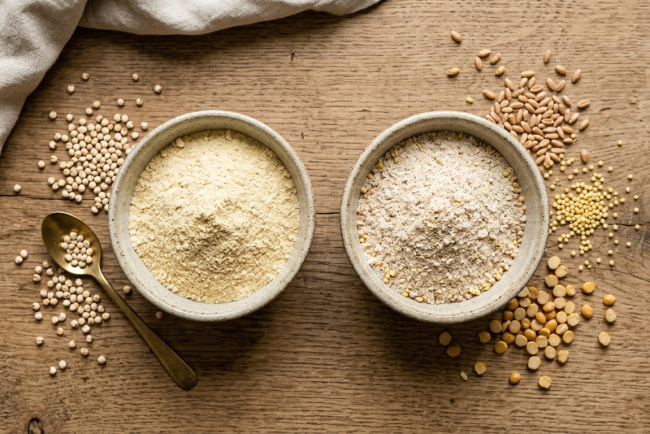
Walk down the flour aisle today and the choices can feel overwhelming. Wheat, jowar, bajra, ragi, multigrain — every pack promises to be the healthiest one on the shelf. Two of the most searched-for options are jowar atta and multigrain atta, and they often get compared because both are seen as "better-for-you" alternatives to plain wheat atta.


But they're not interchangeable. One is a single, gluten-free grain. The other is a blend, usually built on a wheat base. Understanding the difference matters if you're managing diabetes, weight, digestion, or simply trying to eat better without giving up your daily roti.
This guide breaks down jowar atta vs multigrain atta across nutrition, taste, texture, cooking behaviour, and who should pick which — so you can make a decision based on what actually matters for your body, not just the marketing on the packet.
What Is Jowar Atta?
Jowar atta is flour made by grinding whole sorghum grain — nothing added, nothing blended in. It's one of India's oldest millets, historically a staple across Maharashtra, Karnataka, and parts of North India, especially in dry, low-rainfall regions where sorghum grows well.
Because it's a single grain, what you get in the packet is exactly what the name says: 100% jowar. That matters for two reasons — it's naturally gluten-free, and its nutrition profile is easy to predict and verify, unlike blends where the ratio of grains can vary by brand.
Nutritionally, jowar atta is known for:
- High dietary fibre, which supports digestion and satiety
- A lower glycemic index compared to refined wheat flour
- Good levels of iron, magnesium, and phosphorus
- Antioxidant compounds (including polyphenols) not commonly found in wheat
Jowar rotis are typically thicker, slightly dense, and have an earthy, mildly sweet flavour. They also cook and cool differently from wheat — jowar dough is made with hot water and needs to be rolled and cooked while it's still warm, or it tends to crack and turn hard.
What Is Multigrain Atta?
Multigrain atta is, by definition, a blend of multiple grains — commonly wheat as the base, mixed with millets like jowar, bajra, or ragi, along with pulses such as chana or soy, and sometimes oats. The idea is to combine the strengths of several grains into one flour: the softness and elasticity of wheat with the fibre and micronutrients of millets and legumes.
This is also where things get tricky for shoppers. "Multigrain" isn't a standardised term — one brand's multigrain atta might be 70% wheat with a token 5% each of five other grains, while another might genuinely balance five or six ingredients in meaningful proportions. The only way to know what you're actually eating is to read the ingredient list and percentages on the pack, not just the word "multigrain" on the front.
Nutritionally, a well-formulated multigrain atta typically offers:
- A broader spread of micronutrients from different grains and pulses
- Slightly higher protein than plain wheat atta, especially if pulses are included
- More fibre than refined wheat flour, though usually less than a pure millet like jowar
- Softer, more familiar roti texture since wheat's gluten provides elasticity
Because wheat is usually the dominant ingredient, multigrain atta is not gluten-free unless a brand specifically formulates and labels it that way.
Jowar Atta vs Multigrain Atta: Side-by-Side Comparison
| Factor | Jowar Atta | Multigrain Atta |
|---|---|---|
| Composition | 100% sorghum, single grain | Blend, usually wheat-based + millets/pulses |
| Gluten | Naturally gluten-free | Contains gluten (from wheat), unless labelled gluten-free |
| Glycemic index | Lower | Moderate (depends on wheat ratio) |
| Fibre | High | Moderate to high, varies by blend |
| Protein | Moderate | Often higher, if pulses are included |
| Roti texture | Denser, drier, breaks if it cools | Soft, closer to regular roti |
| Ease of cooking | Needs practice — hot water dough, roll while warm | Easy — behaves like wheat dough |
| Taste | Earthy, mildly sweet, distinct | Milder, closer to familiar wheat taste |
| Best for | Gluten-free needs, blood sugar management, weight goals | Balanced everyday nutrition without giving up gluten-based texture |
| Label reliability | Consistent — it's one ingredient | Varies significantly by brand |
Jowar Atta Benefits: Why People Choose It
1. Naturally gluten-free. For anyone with celiac disease, gluten sensitivity, or wheat allergy, jowar atta is one of the simplest swaps — no reformulation, no blending, just sorghum.
2. Lower glycemic response. Jowar's fibre and starch structure means it's digested more slowly than refined wheat, which translates to a gentler rise in blood sugar. This is one reason it's frequently recommended for diabetes-friendly diets.
3. Supports weight management. The fibre content increases satiety, helping you feel fuller for longer on fewer calories — useful if you're watching portion sizes.
4. Micronutrient density. Jowar brings iron and magnesium to the table, both of which are commonly under-consumed in typical Indian diets.
5. Gut-friendly. The fibre in jowar also feeds beneficial gut bacteria, supporting overall digestive health when eaten regularly.
The trade-off is texture and convenience. Jowar rotis take practice, and they're not as forgiving as wheat-based dough — most people find it easier to master with a few tries, or by mixing jowar with a small amount of wheat until they get the hang of it.
Multigrain Atta Benefits: Why People Choose It
1. Nutritional variety in one flour. Instead of rotating between separate packs of wheat, jowar, bajra, and ragi, multigrain atta gives you a bit of each grain's benefit in your everyday roti.
2. Softer, familiar texture. Because wheat is usually the base, multigrain rotis roll and puff up much like regular wheat rotis — no learning curve required.
3. Added protein. Many multigrain blends include chana or soy, which bumps up the protein content compared to plain wheat atta — useful if you're trying to increase protein intake without eating separately at every meal.
4. Easier daily switch. For families used to soft wheat rotis, multigrain atta is a gentler upgrade than moving to a 100% millet flour overnight.
The catch: since wheat is still the primary ingredient, multigrain atta doesn't offer the same glycemic or gluten-free benefits as a pure millet like jowar. If your main goal is blood sugar control or avoiding gluten altogether, a multigrain blend with a wheat base won't get you there.
Which One Should You Choose?
There's no single right answer — it depends on your goal.
Choose jowar atta if:
- You need to avoid gluten completely
- You're managing diabetes or prediabetes and want a lower-GI option
- You're focused on weight management and want higher satiety per roti
- You're comfortable adjusting your rolling technique, or willing to learn
Choose multigrain atta if:
- You want better nutrition than plain wheat atta without changing your cooking routine
- Soft, puffed-up rotis matter to your family, especially with kids
- You want a boost in protein and fibre from a single flour
- Gluten isn't a concern for you
A third option many households use: rotate between both. Jowar atta a few days a week for its gluten-free, lower-GI profile, and multigrain atta on the days you want convenience and a softer roti. This gives you variety in your grain intake too, which is generally better for long-term nutrition than relying on any single flour every single day.
What to Check on the Label Before You Buy
Whichever you pick, the ingredient list matters more than the front-of-pack claim:
- For jowar atta: confirm it's 100% jowar with no wheat added — some "jowar atta" blends quietly mix in wheat for softer texture, which defeats the purpose if you need gluten-free flour.
- For multigrain atta: check the actual percentage breakdown of grains, not just the number of grains listed. A "7-grain atta" that's 85% wheat isn't meaningfully different from regular wheat atta.
- Freshness and milling: flour that's stone-ground and milled closer to your purchase date retains more of its natural aroma, nutrients, and flavour than flour that's been sitting on a shelf for months. This applies to both jowar and multigrain atta.
- No additives: look for flours free of preservatives, bleaching agents, or added maida, which some commercial multigrain blends use to keep the dough softer.
At 10on10 Foods, both our Jowar Atta and Multigrain Atta are stone-ground and milled fresh only after you order — no blending shortcuts, no chemical additives, and a transparent ingredient list so you know exactly what's going into your roti.
Frequently Asked Questions
Is jowar atta better than multigrain atta for diabetics? Generally, yes. Jowar's lower glycemic index makes it a stronger choice for blood sugar control. Multigrain atta can still be a reasonable option if the blend has a meaningful proportion of millets rather than being mostly wheat.
Can I mix jowar atta and multigrain atta together? Yes. Many people blend jowar with wheat-based multigrain atta in a 1:1 or 1:2 ratio to get an easier-to-roll dough while still gaining some of jowar's fibre and nutrient benefits.
Does multigrain atta contain gluten? Almost always, yes — because wheat is typically the base grain. Check the label if you need a gluten-free product; don't assume "multigrain" means gluten-free.
Which is better for weight loss, jowar or multigrain atta? Jowar atta tends to have a slight edge due to its higher fibre and lower GI, which supports satiety and steadier blood sugar. That said, portion control and your overall diet matter more than the flour choice alone.
Why does jowar roti turn hard so quickly? Jowar doesn't contain gluten, so it lacks the elasticity that keeps wheat rotis soft as they cool. It's best rolled with hot water and eaten fresh off the tawa, or lightly greased and kept covered.
The Bottom Line
Jowar atta and multigrain atta both improve on plain refined wheat flour, but they solve different problems. Jowar is the stronger pick for gluten-free needs and blood sugar management; multigrain is the easier, softer everyday upgrade with a broader nutrient spread — as long as you check that it's genuinely grain-diverse and not wheat-heavy in disguise.
The healthiest approach for most households isn't picking one forever — it's knowing what each flour is good for, reading labels carefully, and rotating based on what your body needs that week.
What's Your Reaction?