Jowar Atta: The Complete Guide to India's Favourite Millet Flour
Discover why jowar atta deserves a spot in your kitchen. Learn its nutrition, health benefits, gluten-free advantage, and tips to make soft jowar roti at home
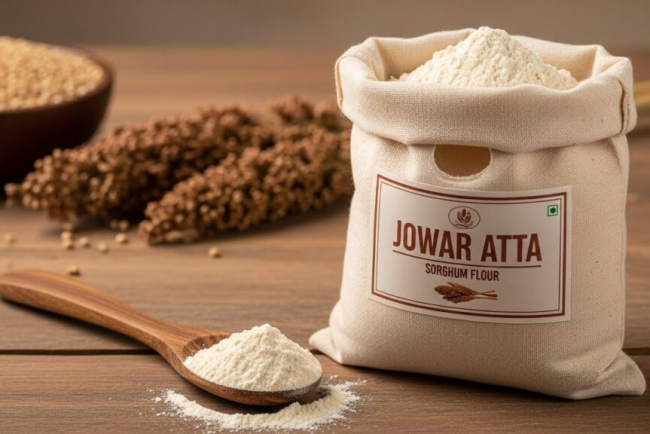
Long before "superfood" became a marketing buzzword, Indian households were already relying on one humble grain to keep them going through long days of physical work: jowar. Ground into flour, jowar atta has fed generations of families across Maharashtra, Karnataka, Telangana, and beyond, showing up as soft bhakris, warm rotis, and simple, filling meals.


Today, as more people move toward gluten-free diets, better blood sugar management, and cleaner eating, jowar atta is having a well-deserved comeback. But what exactly makes this flour so special, and how do you use it the right way? This guide breaks it all down.
What Is Jowar Atta?
Jowar atta is flour made by grinding jowar, also known as sorghum, one of the oldest cultivated cereal grains in the world. Sorghum has been a dietary staple across India, Africa, and parts of Asia for thousands of years, valued for its resilience as a crop and its dense nutritional profile.
Unlike wheat, jowar contains no gluten, which makes jowar atta a natural choice for people with gluten intolerance or celiac disease. It has a pale, slightly off-white colour, a mild nutty flavour, and a texture that, when milled fresh, produces soft rotis and crisp bhakris alike.
Jowar Atta Nutrition: What's Inside
Nutrition is where jowar atta truly earns its reputation. Per 100 grams, jowar atta typically offers:
- Dietary fibre: Around 7g, supporting healthy digestion
- Protein: Roughly 11g, a solid plant-based protein source
- Minerals: Notable amounts of iron and manganese
- Glycemic index: Low, meaning it releases energy gradually rather than in a quick spike
- Gluten: None, making it naturally suitable for gluten-free diets
This combination of fibre, protein, and minerals is exactly why jowar atta is often recommended as a rotation grain rather than an occasional novelty. It is filling, nutrient-dense, and doesn't leave you reaching for a snack an hour after your meal.
Health Benefits of Jowar Atta
1. Naturally Gluten Free
For anyone managing celiac disease or non-celiac gluten sensitivity, jowar atta offers a way to enjoy roti and bhakri without the discomfort that wheat can cause. Because it is inherently gluten-free rather than processed to remove gluten, it retains its natural nutrient profile.
2. Supports Blood Sugar Management
Jowar's low glycemic index means the carbohydrates in it are digested and absorbed more slowly than those in refined wheat flour. This slower release of glucose into the bloodstream is one of the reasons jowar atta is frequently suggested for people who are watching their blood sugar levels. That said, individual response varies, so it's worth checking with a doctor or nutritionist for personalised guidance.
3. Aids Digestion
With around 7g of fibre per 100g, jowar atta contributes meaningfully to daily fibre intake, which supports regular bowel movements and a healthier gut environment. If you're new to millet flours, it's best to introduce jowar gradually, since a sudden increase in fibre can cause bloating for some people.
4. A Good Source of Plant Protein and Minerals
At roughly 11g of protein per 100g, jowar atta holds its own among grains. Combined with iron, which supports oxygen transport in the blood, and manganese, which plays a role in bone health and metabolism, jowar atta is far more than "just a carb."
5. Naturally Free of Additives (When Sourced Right)
Unlike many mass-produced flours that sit on shelves for months, freshly stone-milled jowar atta requires no preservatives to stay usable, since it is meant to be consumed relatively soon after milling. This is one of the biggest differences between fresh, small-batch jowar atta and flour that has been processed and packaged well in advance.
How to Use Jowar Atta in Everyday Cooking
Jowar atta is versatile once you understand its texture. A few common ways to use it:
- Jowar Roti: A staple across Maharashtra and Karnataka, made by kneading jowar atta with warm water.
- Bhakri: A slightly thicker, denser flatbread, traditionally cooked on a tawa and finished directly over flame.
- Parathas: Stuffed or plain, jowar parathas work well with a bit of wheat atta mixed in for elasticity.
- Cheela: A savoury pancake made with a thin jowar batter, vegetables, and spices.
- Snacks: Jowar atta can also be used in baked crackers, khakhras, and other light snacks.
Because jowar has no gluten, the dough behaves differently than wheat dough. It won't stretch the same way, so a little technique goes a long way.
Tips for Making Soft Jowar Roti
Many people give up on jowar roti after their first attempt turns out dry or crumbly. The truth is, jowar dough just needs a different approach:
- Use warm or hot water, not cold. This helps bind the flour without needing gluten.
- Rest the dough for at least 10 to 15 minutes before rolling. This allows the flour to hydrate fully.
- Roll gently and evenly, ideally between two sheets of parchment or a plastic sheet, since jowar dough tears more easily than wheat dough.
- Cook on a well-heated tawa and press gently with a cloth to help the roti puff up.
- Start with a blend. If you're new to jowar, mixing it 50:50 with wheat atta, or starting with 25 to 30 percent jowar, makes the transition easier while you build confidence with the dough.
Choosing the Right Jowar Atta
Not all jowar atta is created equal. A few things worth checking before you buy:
- Milling method: Stone-ground flour tends to retain more of the grain's natural fibre and nutrients compared to flour processed through high-speed steel mills, which can generate heat and reduce nutrient quality.
- Freshness: Flour milled closer to your purchase date, rather than sitting in storage for months, generally has better flavour and nutritional value.
- Purity: Look for flour with no added preservatives, fillers, or bleaching agents.
- Certifications: FSSAI licensing and ISO food safety certifications are good indicators of quality control in the manufacturing process.
Who Should Include Jowar Atta in Their Diet?
Jowar atta is a good fit for a wide range of people:
- Those with gluten intolerance or celiac disease
- People managing blood sugar and looking for lower-GI grain options
- Anyone wanting to diversify their grain intake beyond wheat and rice
- Individuals focused on improving daily fibre intake
- Families looking for a traditional, minimally processed flour option
As with any dietary change, especially for those managing specific health conditions like diabetes or digestive disorders, it's a good idea to consult a doctor or nutritionist before making jowar atta a daily staple.
Frequently Asked Questions About Jowar Atta
Is jowar atta the same as sorghum flour?
Yes. Jowar is the Hindi name for sorghum, so jowar atta and sorghum flour refer to the same product.
Is jowar atta good for weight loss?
Its high fibre content can help with satiety, keeping you fuller for longer, which may support weight management as part of a balanced diet.
Can diabetics eat jowar roti daily?
Jowar's low glycemic index makes it a reasonable choice for many people managing blood sugar, but individual needs vary, so it's best discussed with a doctor.
Why does my jowar roti break while rolling?
This usually happens because the dough wasn't rested long enough or the water wasn't warm enough. Resting the dough and rolling gently between parchment sheets helps prevent tearing.
Can I mix jowar atta with other flours?
Yes. Mixing jowar with wheat atta, or even with other millet flours like bajra or ragi, is common and makes the dough easier to work with, especially for beginners.
How should jowar atta be stored?
Store it in an airtight container in a cool, dry place, and use it within a few weeks for the best flavour and freshness, particularly if it contains no preservatives.
The Bottom Line
Jowar atta isn't a trend, it's a return to a grain that Indian kitchens have relied on for generations. With its gluten-free profile, low glycemic index, and solid fibre and protein content, it's a flour worth making room for, whether you're managing a health condition, exploring gluten-free options, or simply looking to bring more variety into your everyday meals. With a little practice on technique, soft, fresh jowar roti is well within reach.
What's Your Reaction?