IPTV UK and Digital Entertainment: The Shift Happening Inside UK Homes
IPTV UK is changing how UK homes enjoy digital entertainment, offering flexible viewing, multi-device access, on-demand content and modern streaming options.
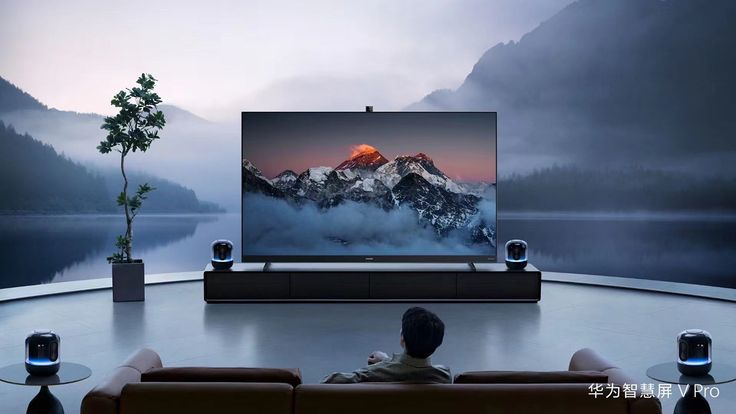
The way we watch television in the United Kingdom is changing faster than ever. Traditional broadcasting remains important, but modern households increasingly expect television to be flexible, convenient, personalised and accessible across multiple devices. This shift has helped IPTV UK become an increasingly discussed part of the modern digital entertainment landscape.


Rather than relying solely on conventional broadcast infrastructure, IPTV delivers television and video content through an internet connection. For households that already use broadband for streaming, gaming, video calls and other online services, internet-based television can feel like a natural extension of the digital lifestyle.
At the same time, the growing interest in an IPTV UK subscription reflects a wider change in consumer expectations. Viewers increasingly want more control over what they watch, when they watch it and which devices they use. We are moving away from a television experience centred around one screen and towards an interconnected entertainment environment throughout the home.
What Is IPTV UK and How Does It Work?
IPTV stands for Internet Protocol Television. Instead of receiving television programming exclusively through traditional terrestrial, satellite or cable delivery systems, IPTV uses internet networks to transmit video content.
The basic concept is straightforward. A compatible device connects to the internet, accesses an IPTV platform or application, and receives video content through an online connection. Depending on the service, viewers may have access to live television, video-on-demand content, catch-up programming and other digital entertainment features.
The technology itself is not limited to a particular type of screen. IPTV services may be accessed through smart TVs, streaming devices, computers, tablets and compatible smartphones. This flexibility is one of the reasons internet-based television has become increasingly relevant to modern households.
However, IPTV should not automatically be considered a replacement for every conventional television service. The experience depends heavily on the provider, available content, internet connection, application quality, device compatibility and whether the service has the appropriate rights to distribute its programming.
Why IPTV UK Is Becoming More Relevant to Modern Homes
One of the biggest changes in entertainment is the movement towards on-demand and multi-device viewing.
We no longer expect television to operate only according to a fixed schedule. Viewers have become accustomed to choosing films, series, sports, documentaries and other programming according to their own routines.
An IPTV UK service can fit naturally into this environment by combining internet connectivity with television-style viewing. Instead of treating television as a separate technology, IPTV makes it part of the broader digital ecosystem already present inside the home.
Convenience is another important factor. A household may have one person watching television in the living room, another using a tablet, and someone else watching content on a laptop. Modern entertainment increasingly needs to accommodate these different habits.
The Growing Importance of IPTV UK Subscription Options
Choosing an IPTV UK subscription is no longer simply about finding the largest possible channel list. A modern viewer needs to consider the overall quality of the service.
A strong subscription should provide a reliable viewing experience, intuitive navigation, suitable device compatibility and transparent information about what is included.
We should also look beyond impressive promotional numbers. A provider advertising thousands of channels may sound attractive, but channel quantity alone does not guarantee quality. Reliability, picture quality, availability, customer support and legitimate content rights are equally important.
Before choosing a UK IPTV subscription, we should therefore examine:
- Channel availability
- Streaming reliability
- Video quality
- Device compatibility
- Electronic programme guide functionality
- On-demand options
- Customer support
- Subscription terms
- Privacy and security
- Content licensing and legality
This approach helps us evaluate the complete service rather than focusing on one headline feature.
IPTV UK and the Rise of Multi-Screen Entertainment
The modern UK home is increasingly filled with connected devices. Smart televisions, streaming sticks, smartphones, tablets, computers and gaming consoles have all changed how digital content is consumed.
This creates a significant opportunity for IPTV UK services.
Instead of restricting television to one traditional screen, internet-based services can potentially make entertainment accessible across a wider range of compatible devices. This is particularly useful for households where viewing habits vary throughout the day.
We might watch live television on a smart TV in the evening, continue watching a programme on a tablet while travelling around the house, or use a computer when a television is unavailable.
This multi-screen flexibility represents one of the most important differences between traditional viewing habits and today's connected entertainment model.
Streaming Quality Matters More Than Ever
As expectations have increased, viewers have become far less tolerant of buffering, freezing, poor-quality images and unreliable streams.
For an IPTV UK service to provide a satisfactory experience, several elements need to work together. The provider's infrastructure matters, but so do the viewer's broadband connection, home network, device and application.
Higher-resolution content can require more bandwidth, particularly when several people are using the same internet connection simultaneously.
For this reason, we should consider our household's internet performance before choosing an IPTV UK subscription. A fast and stable broadband connection can make a substantial difference to the overall experience.
We should also remember that 4K availability does not automatically mean every programme will stream in 4K. Resolution depends on the original content, provider and compatible equipment.
How IPTV UK Fits Into Changing Family Viewing Habits
Family entertainment has become increasingly fragmented. Different members of a household may have completely different interests.
One person may prefer live sports, another may enjoy films, while someone else may spend most of their time watching documentaries or television series.
Traditional television packages can sometimes make viewers pay for large bundles even when they only use a fraction of the available content. Internet-based entertainment has encouraged a more flexible approach, although the actual value of an IPTV UK subscription depends on its content, reliability and pricing.
The bigger change is behavioural: we increasingly expect entertainment to adapt to us rather than expecting our routines to adapt to television schedules.
That expectation is likely to remain important as connected-home technology develops.
IPTV UK vs Traditional Television
Traditional television continues to offer important advantages, including established infrastructure, familiar interfaces and dependable access to major broadcasters.
However, IPTV introduces a different model centred around internet connectivity.
| Feature | Traditional TV | IPTV UK |
|---|---|---|
| Delivery | Broadcast, satellite or cable | Internet connection |
| Device flexibility | Often more limited | Potentially broader |
| On-demand viewing | Depends on provider | Commonly integrated |
| Multi-screen use | Depends on service | Often supported |
| Internet dependency | Usually low | Essential |
| Viewing flexibility | Varies | Generally high |
| Content availability | Package dependent | Provider dependent |
Neither approach is automatically better for every household. The right option depends on viewing habits, budget, technical requirements and content preferences.
What to Look for in the Best IPTV UK Service
Searching for the best IPTV UK option should involve more than comparing prices.
First, we should investigate whether the provider clearly explains its service and subscription conditions. Transparent providers should make it reasonably clear what customers receive and how the service works.
Second, we should examine compatibility. A service that works well on one device may not necessarily provide the same experience across every platform.
Third, reliability deserves serious attention. An extensive channel catalogue has little value if streams frequently stop working.
Customer support is another important consideration. When users encounter login problems, application issues or technical difficulties, accessible support can make the difference between a smooth experience and a frustrating one.
Finally, we should consider legality and content rights. IPTV is a technology, not a guarantee that every service using it is authorised. Consumers should choose providers that have the appropriate rights to distribute the content they offer.
IPTV UK Official: What Consumers Should Understand
Searches for terms such as IPTV UK Official often indicate that consumers want to distinguish established or trustworthy services from unreliable providers.
However, the word "official" should not automatically be treated as proof of legitimacy. We should verify the provider independently, examine its terms, identify the company behind the service where possible, and look for clear information about content licensing.
A professional website and attractive channel list are not enough on their own.
A trustworthy IPTV service should provide clear subscription information, transparent policies, reasonable customer support and appropriate content rights.
The Future of Digital Entertainment in UK Homes
The shift towards IPTV is part of a much larger transformation.
Television is becoming increasingly connected with the rest of our digital lives. Smart-home technology, high-speed broadband, cloud-based services and on-demand entertainment are gradually reducing the distinction between traditional television and online media.
In the future, viewers are likely to expect even greater personalisation. Recommendations may become more sophisticated, interfaces may become simpler and content may become increasingly accessible across multiple devices.
For IPTV UK, this creates both opportunities and challenges. Providers will need to compete on quality, reliability, user experience, content availability and trust, rather than simply promoting large channel numbers.
Consumers, meanwhile, will become more knowledgeable about what they are buying.
Final Thoughts on the IPTV UK Shift
The rise of IPTV UK reflects a fundamental change in how we think about television. Modern viewers increasingly want entertainment that fits around their lives rather than forcing them to follow rigid schedules or remain tied to a single screen.
An IPTV UK subscription can provide a flexible approach to internet-based television, but choosing the right service requires careful consideration. Channel numbers, pricing and promotional claims should never be the only deciding factors.
We should look at reliability, compatibility, streaming quality, customer support, subscription terms and, most importantly, whether the provider has the necessary rights to distribute its content.
Ultimately, IPTV is not simply about replacing traditional television. It represents part of the broader movement towards connected, flexible and personalised digital entertainment. As UK households continue embracing smart devices and high-speed internet, the relationship between television and the internet is likely to become even stronger.
For viewers, that means more choice—and with more choice comes the need to make informed decisions about the services we bring into our homes.
What's Your Reaction?