How Does Sunshade Sail Shape Affect Installation?
A shade sail may look like a simple piece of outdoor fabric, but its performance depends on how the material, shape, edges, and fixing points work together. Because the fabric is tensioned after installation, manufacturing details that seem minor on a flat panel can become important once the sail is stretched between support points. This makes material selection and reinforcement closely connected to the final application.
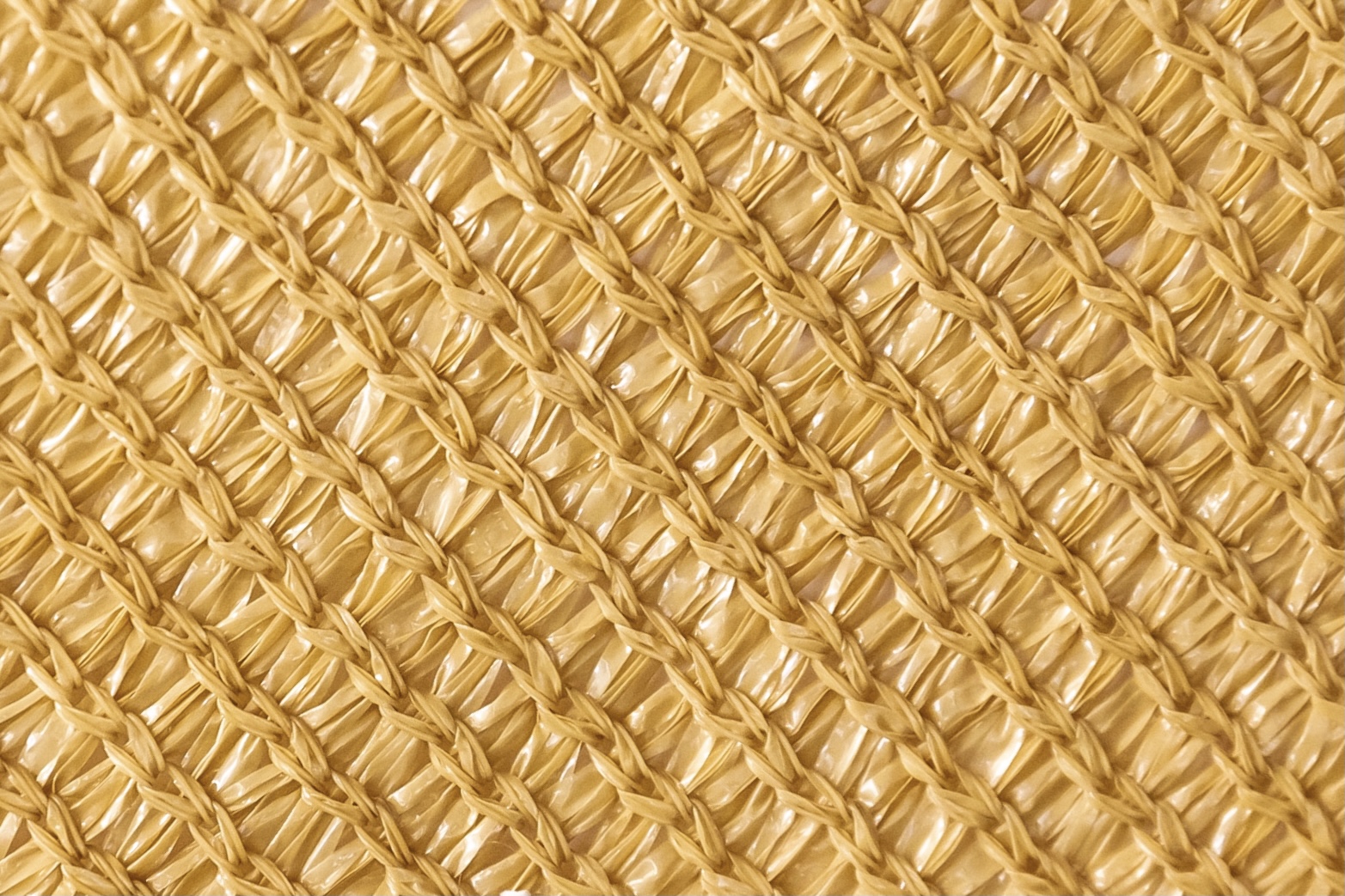
A Sunshade Sail is designed to work as a tensioned fabric structure rather than simply as a flat cover. Once installed, the fabric is pulled between several fixing points, creating forces that travel through the panel toward its edges and corners. As a result, the finished product depends not only on the fabric itself but also on how the perimeter and connection areas are constructed.


Outdoor-grade knitted HDPE fabric is commonly used because its structure can provide shade while allowing some air movement through the material. This can be useful in patios, playgrounds, poolside areas, and other spaces where a completely solid overhead cover could trap more heat. UV resistance is another consideration because the fabric remains exposed to sunlight for long periods. Yarn quality, UV stabilization, fabric weight, and construction all influence how the material behaves during extended outdoor use.
The perimeter takes on additional importance when the sail is under tension. Reinforced webbing, cables, and carefully sewn edges can help spread pulling forces across the fabric rather than concentrating them at isolated points. Stitching therefore has a structural role as well as a finishing function. The thread, seam layout, and reinforcement materials need to be compatible with the fabric and the expected tension.
Corners require particular attention because they connect the fabric to the supporting structure. Several layers of fabric and reinforcement webbing may be added around these points, with stainless steel D-rings or similar hardware providing the connection to turnbuckles, shackles, or cables. The required reinforcement can vary according to the size and geometry of the sail, so a small residential panel and a large commercial structure may require different construction details.
Shape also affects how the finished Sunshade Sail behaves. Triangular, square, and rectangular designs distribute tension differently, while custom geometries can be developed for spaces that do not fit standard dimensions. Once tensioned, the fabric may form curved edges and a three-dimensional profile rather than remaining completely flat.
For project-based applications, customization can therefore involve much more than choosing a color. Dimensions, fabric weight, edge reinforcement, corner hardware, and fixing arrangements can all be adjusted to suit the installation. The result is a shade structure whose appearance and structural behavior are closely connected to its manufacturing details.
What's Your Reaction?