How Do Growing Businesses Choose The Right Fulfillment Partner Today
Struggling with order backlogs? See how Canadian fulfillment companies handle shipping, storage, and returns so your business can finally scale smoothly.

Running an online store sounds simple until the orders actually start coming in. Then reality hits — boxes everywhere, shipping labels piling up, and a spare room that used to be a guest bedroom now looks like a small warehouse. That's usually the point where owners start typing Canadian fulfillment companies into Google at midnight, half hoping someone else will just take this problem off their hands. And honestly, that's a fair instinct. Fulfillment isn't glamorous work, but it's the backbone of whether customers get their stuff on time or end up leaving a one-star review because a package sat in a warehouse for a week.


Why Fulfillment Becomes A Headache So Fast
Nobody starts a business thinking about pallets and pick-and-pack accuracy. You start because you had a product you believed in. Then, somewhere around month six or seven, you realize you're spending more hours boxing orders than actually growing the brand. That's the trap. Growth should feel good, but if your fulfillment process can't scale with it, growth just means more stress. This is where a lot of founders quietly start looking at outsourcing, not because they want to give up control, but because there simply aren't enough hours in the day to pack, label, and ship a hundred orders and still run marketing, customer service, and everything else.
What Fulfillment Companies Actually Do Behind The Scenes
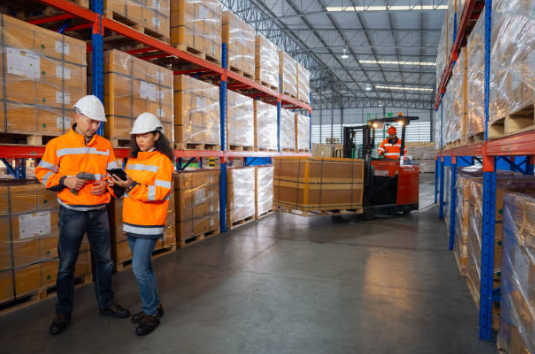
A fulfillment partner isn't just a warehouse with shelves, though that's the part people picture first. It's inventory tracking, order processing, pick and pack, kitting, returns handling, and shipping — all stitched together so a customer clicks "buy" and a box shows up two or three days later without you lifting a finger. Good fulfillment Canada providers plug directly into your Shopify or WooCommerce store, so orders flow automatically instead of someone manually re-typing addresses at 9pm. That automation piece matters more than people think. Manual entry is where mistakes creep in, wrong addresses, duplicate shipments, the kind of stuff that quietly kills customer trust.
Why Location Inside Canada Actually Matters
Here's something a lot of new sellers miss. Shipping from a US warehouse to Canadian customers sounds fine on paper, until duties and customs delays start showing up in the delivery timeline. Suddenly a "3-5 day" promise turns into 10 days, plus a surprise customs fee the customer didn't expect. That's a fast way to lose repeat buyers. Working with a fulfillment center actually based in Canada avoids most of that mess. Packages move faster, duties aren't an issue for domestic orders, and you're not explaining to an angry customer why their package is stuck at the border. It's a small detail on a spreadsheet but a huge deal in real life.
The Real Cost Conversation Nobody Likes Having
Pricing in this industry is messy, plain and simple. Some providers quote you a low storage fee then hit you with pick fees, pack fees, kitting fees, and something vague called "handling" that nobody explains well. Before signing anything, ask for a full breakdown — receiving cost, storage per unit or per pallet, pick and pack per order, and shipping markup if any. A cheap-looking quote can turn expensive fast once every little service gets billed separately. The best move is to run your actual order volume through their pricing sheet, not a rough guess, so you see the real monthly number instead of getting blindsided later.
Technology Integration Is Not Optional Anymore
If a fulfillment provider still asks you to email spreadsheets of orders, that's a red flag in 2026. The good ones integrate directly with your ecommerce platform and give you a live dashboard, inventory counts, order status, tracking numbers, all in one place. This isn't a nice-to-have, it's basically table stakes now. You want to be able to check stock levels without calling someone and waiting two days for a reply. When evaluating options, ask to see the actual dashboard, not just hear about it. Some companies talk a big game about their tech but the interface itself is clunky and outdated once you're actually inside it.
Scaling Without The Growing Pains
One thing that separates a solid partner from a mediocre one is how they handle sudden spikes, holiday season, a viral TikTok moment, a big wholesale order landing all at once. Smaller in-house operations buckle under that pressure. A proper fulfillment setup has the staff and warehouse space to absorb a surge without your shipping times falling apart. Ask potential partners directly how they handled Black Friday last year, how many orders they processed, and whether shipping delays happened. Their answer, or lack of one, tells you a lot about whether they can actually handle your growth curve or just your current, quieter volume.
Customer Service And Returns Handling Matters More Than People Admit
Returns are annoying, nobody enjoys dealing with them, but how a fulfillment company handles returns says everything about their operation. Some providers process returns within 24 hours and restock fast. Others let returned inventory sit for weeks, which means you're paying storage on stock you can't even sell. Ask specifically about return turnaround time and whether they inspect items before restocking, because a damaged product going back on the shelf as "available" is a problem waiting to happen. This detail rarely makes it into sales pitches, but it's one of the biggest indicators of how organized a warehouse team actually is day to day.
Choosing A Partner That Fits Your Actual Business
There's no single "best" fulfillment company, despite what a lot of listicles claim. A provider great for a small jewelry brand shipping tiny parcels might be a terrible fit for a furniture company shipping oversized freight. Match the provider to your product type, order volume, and growth stage. Smaller warehouses sometimes offer more personal service and flexibility, while larger networks offer multiple warehouse locations across provinces, which cuts down shipping zones and delivery times. Talk to their team directly, ask blunt questions, and honestly, trust your gut a little. If communication feels slow or vague during the sales process, it probably won't magically improve once you're a paying customer.
Conclusion
At the end of the day, picking a fulfillment partner is less about finding a flashy website and more about finding a team that actually answers the phone when something goes wrong, because something always eventually goes wrong. Canadian fulfillment companies that combine domestic warehousing, transparent pricing, and real tech integration tend to save businesses the most headaches long term. It's not a decision to rush. Take the time, ask the awkward pricing questions, check how they handle returns, and pick a partner who treats your orders like they matter, because to your customers, they absolutely do.
What's Your Reaction?