How Healthcare Apps Are Transforming Patient Care
Discover how healthcare app developers improve patient access, streamline medical services, and create secure, convenient digital healthcare experiences.
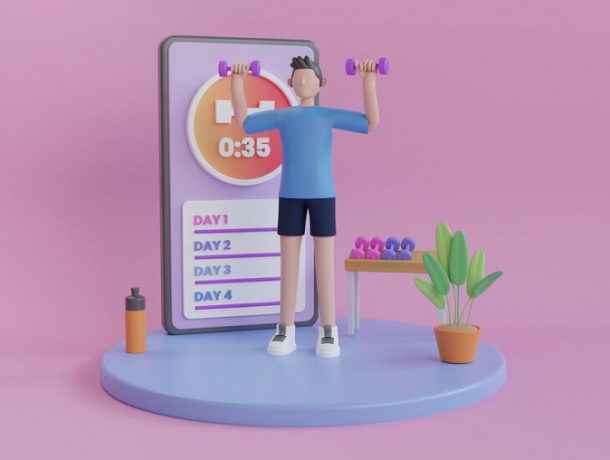
Healthcare is increasingly becoming a digital-first experience, changing how patients communicate with providers, access information, and manage their everyday healthcare needs. Healthcare App Developers play an important role in this transformation by creating applications that connect patients, physicians, clinics, pharmacies, and healthcare organizations through convenient digital platforms. From appointment scheduling and teleconsultations to medication reminders and health tracking, well-designed healthcare applications can make essential services more accessible while reducing unnecessary administrative work. The real value, however, goes beyond adding features. Successful healthcare solutions must address usability, privacy, accessibility, reliability, and the specific needs of patients and healthcare professionals.


For businesses entering this space, choosing an experienced Mobile App Development Company can help turn a healthcare concept into a practical digital solution. A professional development team can evaluate workflows, define the right technology architecture, design intuitive interfaces, and build features around genuine user requirements rather than simply following technology trends.
The Growing Role of Digital Healthcare Platforms
Modern healthcare involves multiple interactions between patients and providers. Digital applications can bring many of these interactions into a single, accessible environment.
Common capabilities include:
- Online appointment booking
- Virtual consultations
- Digital health records
- Prescription management
- Medication reminders
- Health and fitness tracking
- Lab-report access
- Secure patient-provider communication
- Payment and billing integration
- Notifications and follow-up reminders
For example, a patient who previously needed to call a clinic to confirm an appointment could complete the process through an application within minutes. Similarly, providers can use digital workflows to organize appointments, communicate with patients, and access relevant information more efficiently.
Improving Patient Access and Convenience
One of the most significant advantages of healthcare applications is convenience. Patients may need medical support outside traditional office hours or may live far from specialized healthcare facilities.
Mobile healthcare platforms can help address these challenges through:
Telemedicine and Virtual Consultations
Video consultations and secure messaging can allow patients to communicate with healthcare professionals remotely when appropriate. This can be particularly useful for follow-ups, routine consultations, and situations where an in-person visit is not immediately necessary.
Self-Service Healthcare Features
Applications can give users greater control over routine tasks. Patients may be able to schedule appointments, review reports, manage prescriptions, or receive reminders without relying entirely on administrative staff.
Supporting Healthcare Professionals
Digital healthcare is not only about patient convenience. Properly designed applications can also improve operational efficiency for healthcare professionals.
Healthcare organizations can use specialized platforms to:
- Organize appointments and schedules.
- Reduce repetitive administrative tasks.
- Maintain structured patient information.
- Facilitate communication with patients.
- Monitor selected health metrics.
- Deliver reminders and follow-up notifications.
For instance, a clinic application could allow staff to manage appointments through a centralized dashboard while patients use the same ecosystem to select available time slots.
Security and Privacy Must Come First
Healthcare applications handle highly sensitive information, making security a fundamental part of development rather than an optional feature.
A trustworthy healthcare solution should consider:
- Strong authentication and authorization
- Encryption for sensitive information
- Secure APIs
- Role-based access controls
- Audit trails
- Secure cloud infrastructure
- Regular security testing
- Appropriate data-retention practices
Development teams should also understand the privacy and healthcare regulations relevant to the markets where an application will operate. Compliance requirements vary by jurisdiction and business model, so organizations should obtain appropriate legal and regulatory guidance rather than treating compliance as a purely technical checklist.
Designing Healthcare Apps Around Real Users
A technically advanced application can still fail if patients find it confusing or difficult to navigate. Healthcare interfaces should prioritize clarity and accessibility.
Important design principles include:
- Simple navigation
- Readable typography
- Clear calls to action
- Accessible color contrast
- Minimal unnecessary steps
- Consistent interface patterns
- Helpful error messages
- Support for different levels of digital literacy
User research and usability testing can reveal problems before they become expensive development issues. Testing with actual target users can also help teams identify which features genuinely improve the healthcare experience.
Examples of Healthcare App Opportunities
Different healthcare organizations can use mobile technology in different ways.
Hospitals: Appointment management, patient communication, billing, and follow-up services.
Clinics: Doctor availability, scheduling, consultations, and reminders.
Pharmacies: Prescription management, medicine ordering, and refill notifications.
Fitness and wellness businesses: Activity tracking, personalized programs, and progress monitoring.
Patients: Personal health management, reminders, reports, and communication tools.
The best solution depends on the organization's goals, target users, operational processes, and regulatory environment.
What Makes a Healthcare App Successful?
Healthcare businesses should evaluate more than development cost when planning an application. A sustainable product should have:
- A clearly defined target audience
- A practical feature set
- Scalable architecture
- Strong security controls
- Intuitive UX/UI
- Reliable performance
- Analytics for measuring engagement
- A long-term maintenance strategy
Starting with a focused minimum viable product can also help organizations validate assumptions before investing in a larger feature set.
Conclusion
Healthcare technology is moving beyond simple digitization toward connected experiences that make medical services more accessible, organized, and user-friendly. Healthcare App Developers can help organizations build solutions that connect patients and providers while supporting operational efficiency and secure information management. However, successful healthcare applications require more than attractive interfaces or extensive feature lists. They need thoughtful UX, reliable architecture, strong security, scalability, and an understanding of real healthcare workflows. Corewave approaches healthcare application development with these considerations in mind, helping businesses explore digital solutions designed around their specific objectives and audiences. As healthcare continues to evolve, organizations that invest thoughtfully in digital experiences can create more convenient and meaningful ways for people to interact with healthcare services.
Frequently Asked Questions
1. What can healthcare apps be used for?
Healthcare apps can support appointment scheduling, teleconsultations, health tracking, prescription management, patient communication, reminders, and other digital healthcare services.
2. Why is security important in healthcare applications?
Healthcare applications may process sensitive personal and medical information. Strong security measures help protect this information against unauthorized access and other risks.
3. Can healthcare apps support telemedicine?
Yes. Depending on the use case and applicable regulations, applications can include video consultations, secure messaging, appointment scheduling, and digital follow-up features.
4. How should businesses plan a healthcare application?
Businesses should begin by defining their users, healthcare workflow, business objectives, required features, security expectations, regulatory considerations, and long-term scalability requirements.
5. Should a healthcare app launch with every possible feature?
Not necessarily. A focused initial release can help validate the product with real users and provide insights for future improvements.
What's Your Reaction?