Breast Augmentation Dubai: How Can Implant Placement Affect the Final Appearance?
Discover how implant placement influences breast shape, projection, cleavage, and overall results with Breast Augmentation Dubai.
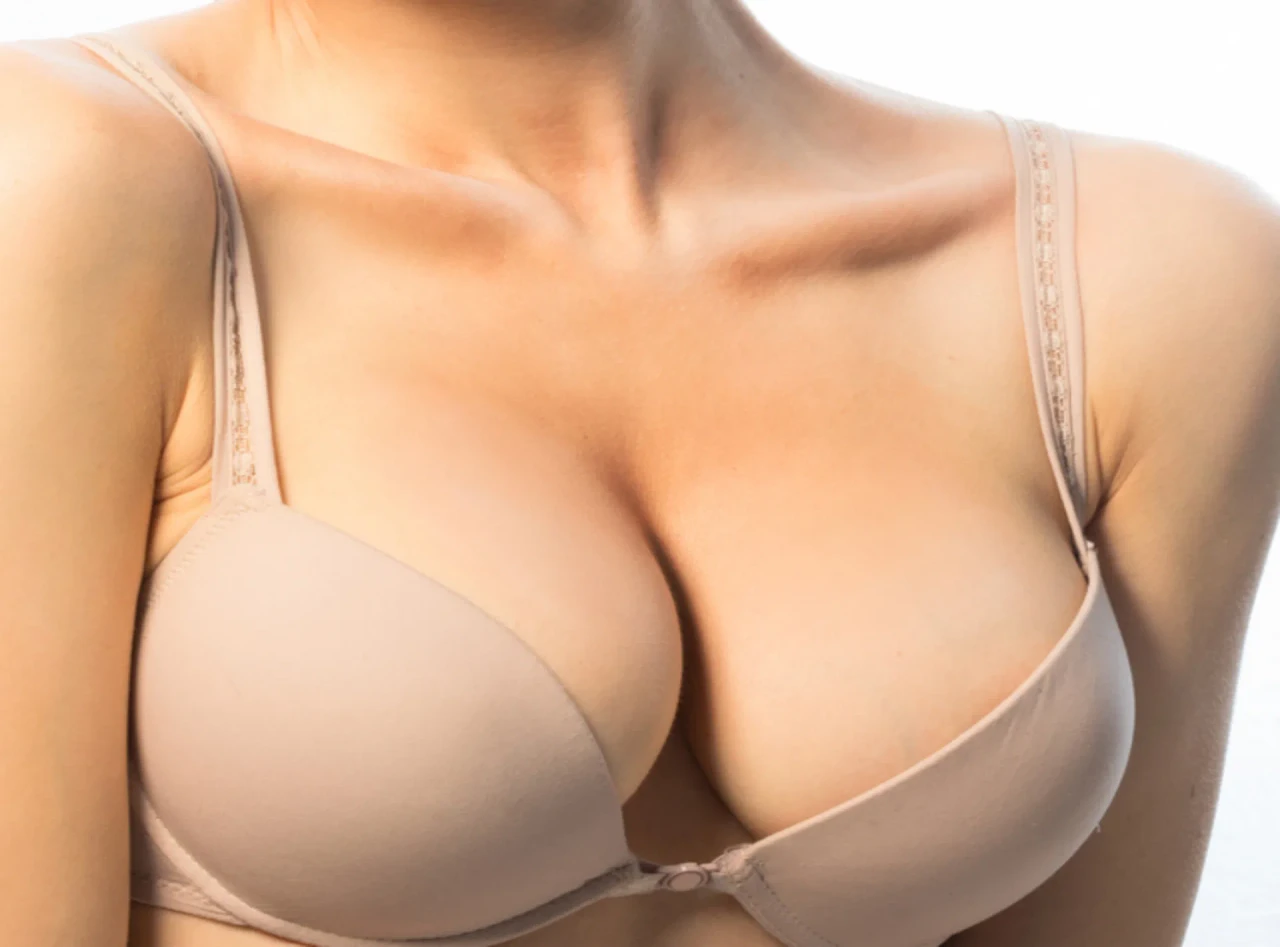
Breast augmentation is a highly individual procedure, and the final appearance depends on more than implant size or shape. One of the most important decisions is where the breast implant is positioned. Implant placement can influence the amount of upper-breast fullness, the visible contour, the transition between the chest and breast, and how naturally the implant blends with existing breast tissue.


For anyone considering Breast Augmentation Dubai, understanding the different placement options can make the consultation more productive. At Cornerstone, the implant position can be discussed in relation to factors such as existing breast tissue, chest anatomy, lifestyle, desired appearance, and the characteristics of the selected implant.
The goal is not simply to add volume. Implant placement is selected to create a breast shape that is appropriate for the individual's anatomy and aesthetic preferences.
What Does Implant Placement Mean?
Implant placement refers to the position of the breast implant in relation to the chest muscle and existing breast tissue. The main options generally include placement above the pectoral muscle, beneath the pectoral muscle, or a dual-plane technique that combines elements of both approaches.
The position selected can affect how much of the implant is covered by natural tissue. This, in turn, can influence the visible shape and contour of the breasts.
During a consultation, a surgeon evaluates the thickness of the existing breast tissue, chest structure, breast shape, skin characteristics, and other anatomical factors before recommending an appropriate placement.
How Does Implant Placement Influence Breast Shape?
The position of an implant can change the way breast volume is distributed across the chest.
An implant positioned closer to the breast tissue may provide more immediately noticeable volume and definition. In contrast, an implant positioned partially beneath the chest muscle may have additional soft-tissue coverage over the upper portion.
This difference can influence whether the final appearance looks more rounded, gently sloped, or naturally contoured. The implant's dimensions and profile also contribute significantly, so placement should always be considered as part of the overall surgical plan rather than as an isolated choice.
Above-the-Muscle Implant Placement
With above-the-muscle placement, the implant is positioned beneath the breast tissue but above the pectoral muscle. This approach places the implant relatively close to the natural breast tissue.
One potential aesthetic characteristic of this position is that the implant's shape may be more apparent because there is less muscular coverage between the implant and the skin.
The suitability of this approach depends heavily on the amount of natural breast tissue available to cover the implant. A surgeon may consider this option when the patient's anatomy and desired result make it appropriate.
The final appearance can also be influenced by implant profile and size. Therefore, simply choosing an above-muscle position does not automatically determine how the breasts will look.
Beneath-the-Muscle Implant Placement
In beneath-the-muscle placement, the implant is positioned underneath the pectoral muscle. The muscle provides additional coverage over the implant, particularly across the upper portion of the breast.
This can contribute to a smoother transition from the chest to the breast in some patients. The upper breast may appear less abruptly rounded because the muscle and surrounding tissues create additional coverage.
However, the final appearance still depends on individual anatomy, implant dimensions, muscle structure, and the amount of existing breast tissue.
This placement is therefore not about creating one universal look. It is about positioning the implant in a way that works with the person's particular chest and breast characteristics.
What Is Dual-Plane Implant Placement?
Dual-plane placement combines aspects of both above- and beneath-muscle positioning.
In this approach, the upper part of the implant receives coverage from the pectoral muscle, while the lower portion has a different relationship with the breast tissue. This arrangement can help the surgeon address specific aspects of breast shape and contour.
Dual-plane techniques may be considered when the desired appearance requires a balance between upper-pole coverage and lower-breast definition.
The exact surgical approach varies according to the individual's anatomy and the surgeon's assessment. It is therefore important to discuss what the term means specifically in the context of the planned procedure.
How Does Placement Affect Upper-Breast Fullness?
Upper-breast fullness is one of the most noticeable aesthetic considerations after augmentation.
An implant's position, combined with its profile and dimensions, can influence how much volume is visible in the upper portion of the breast. Placement beneath the muscle may create a more gradual upper contour because the muscle provides additional coverage.
An implant positioned above the muscle may produce a more defined appearance when sufficient natural tissue is present.
The desired amount of upper fullness varies considerably. Some patients prefer a subtle transition from the chest, while others want a more pronounced upper-breast contour. The implant selection and placement can be planned accordingly.
Can Implant Placement Affect the Cleavage Area?
Yes. Implant placement can contribute to the appearance of cleavage, but it is not the only factor involved.
Cleavage is influenced by the natural width of the chest, breast position, existing tissue, implant diameter, implant profile, and the distance between the breasts.
Implants cannot simply be placed toward the centre of the chest to create a particular cleavage pattern. The implant must be positioned according to anatomical boundaries and the surgical plan.
For this reason, someone considering Breast Augmentation Dubai should discuss their preferred cleavage appearance during the consultation while understanding that the result is influenced by their natural anatomy.
How Does Natural Breast Tissue Affect Implant Placement?
The amount and distribution of natural breast tissue are important when determining implant position.
Patients with more tissue may have greater natural coverage over an implant, which can influence how its edges and contours appear. Patients with thinner tissue may require a different approach to achieve an appropriate transition between the breast and chest.
This is why two people requesting the same implant size may receive different recommendations for placement.
A personalised assessment helps the surgeon determine how the implant can work with the patient's existing tissue rather than simply applying the same technique to everyone.
Does Implant Profile Matter Alongside Placement?
Implant placement and implant profile work together.
Profile refers broadly to how far an implant projects forward from the chest relative to its base width. A higher-profile implant may create more forward projection, while another design may provide a broader distribution of volume.
The same implant can look different depending on where it is positioned and how much natural tissue covers it.
Therefore, choosing an implant should involve consideration of size, width, projection, shape, and placement together. Focusing on volume alone may not provide an accurate idea of the eventual breast contour.
How Can Placement Influence a Natural-Looking Result?
A natural-looking breast augmentation generally involves creating a smooth relationship between the breast, implant, and surrounding chest.
Implant placement can influence the transition between the upper chest and breast mound. When the implant has suitable tissue coverage and its dimensions correspond appropriately with the patient's anatomy, the contour can appear more integrated with the natural breast.
However, "natural-looking" means different things to different people. Some patients want a subtle increase, while others prefer noticeable fullness and projection.
The consultation should therefore focus on the patient's preferred shape rather than relying on a single definition of a natural result.
What Happens During the Implant Placement Consultation?
A consultation is an opportunity to assess the factors that determine which implant position may be appropriate.
The surgeon may evaluate:
- Existing breast volume
- Breast shape and position
- Chest width and structure
- Skin and soft-tissue characteristics
- Pectoral muscle anatomy
- Desired breast size
- Desired upper-breast fullness
- Preferred overall contour
- Implant dimensions and profile
The discussion may also include implant sizing and how different options could complement the patient's proportions.
At Cornerstone, discussing the desired appearance in detail can help establish realistic expectations and guide the treatment plan.
Why Implant Size Should Not Be Considered Separately
It can be tempting to think that selecting a larger implant automatically produces a more dramatic result. However, the relationship between implant size and placement is more complex.
An implant that is too wide for the individual's chest may not create the intended proportion, while an implant with greater projection can produce a different silhouette even when the volume is similar.
Placement also determines how the implant interacts with the surrounding tissues.
A suitable augmentation plan therefore considers the complete combination of implant characteristics and anatomical factors instead of focusing on a single measurement.
How Can Body Proportions Influence Implant Placement?
Breast augmentation should be considered in relation to the whole body.
Shoulder width, chest dimensions, torso proportions, existing breast shape, and the position of the breast crease can all influence how additional volume appears.
For example, the same implant dimensions can create a different visual effect on two people with different chest widths.
This is one reason personalised planning is important. The objective is to select an implant and placement that correspond to the individual's proportions and desired appearance.
How Long Does It Take to See the Final Appearance?
The appearance immediately after breast augmentation is not necessarily the final result.
The breasts need time to settle as the tissues adapt to the implants and postoperative swelling decreases. The position and contour can gradually change during the healing process.
The timeframe varies from person to person and depends on factors including implant placement, tissue characteristics, and the individual's healing process.
Patients should follow their surgeon's postoperative instructions and attend recommended follow-up appointments so that progress can be assessed appropriately.
What Should You Discuss Before Choosing Implant Placement?
A useful consultation should go beyond simply asking for a particular implant size.
Patients can discuss the overall appearance they want, including whether they prefer subtle fullness, stronger projection, a softer upper contour, or a more defined breast shape.
It can also be helpful to explain what you like or dislike about your current breast proportions. The surgeon can then relate those preferences to your anatomy and explain which placement options may be appropriate.
Understanding the reasoning behind the recommended placement can make the decision-making process clearer.
Conclusion
Implant placement is an important part of planning Breast Augmentation Dubai because it can influence breast contour, upper-pole fullness, cleavage appearance, projection, and how the implant integrates with existing tissue. Above-muscle, beneath-muscle, and dual-plane approaches each position the implant differently, and the most suitable option depends on individual anatomy and aesthetic goals.
At Cornerstone, patients can discuss their preferred breast shape, implant characteristics, and placement options during a personalised consultation. Rather than choosing placement based solely on implant size or trends, the treatment plan should consider the complete relationship between the implant, breast tissue, chest structure, and body proportions.
A well-planned approach allows implant placement to become part of a broader strategy for achieving the desired breast shape and overall appearance.
Frequently Asked Questions
Does implant placement change the appearance of breast augmentation?
Yes. Implant placement can influence breast contour, upper-breast fullness, projection, and the transition between the chest and breast.
Which implant placement looks the most natural?
There is no single placement that looks natural for everyone. The appearance depends on anatomy, breast tissue, implant characteristics, and the individual's desired outcome.
Can implant placement affect cleavage?
Yes. Placement can contribute to cleavage appearance, although chest width, natural breast position, implant dimensions, and other anatomical factors also play important roles.
Is above-the-muscle placement suitable for everyone?
No. Suitability depends on factors such as natural breast tissue, chest anatomy, implant selection, and the desired appearance. A surgeon should assess these factors before recommending a placement.
What is dual-plane breast augmentation?
Dual-plane augmentation uses a combination of implant positioning beneath the pectoral muscle in the upper portion and a different relationship with breast tissue in the lower portion. The technique can be adapted to individual anatomy and aesthetic goals.
Does implant size determine the final breast appearance?
No. Size is only one factor. Implant profile, dimensions, placement, existing tissue, chest structure, and body proportions all contribute to the final appearance.
When will the breasts look settled after augmentation?
The breasts generally change gradually during the healing period. Swelling decreases and the implants and surrounding tissues settle over time. Your surgeon can provide a more personalised timeframe based on your procedure.
Can I choose the implant placement myself?
You can communicate your preferred appearance and priorities, but the final placement should be determined with your surgeon based on your anatomy and the characteristics of the selected implant.
Why is a consultation important before breast augmentation?
A consultation allows the surgeon to assess your breast and chest anatomy, discuss your aesthetic goals, evaluate implant options, and explain which placement approach may best suit your individual circumstances
What's Your Reaction?