Before You Buy a Phoenix Home, Check These 9 Things
Buying a home in Phoenix? Check these 9 essential factors, from budget and location to inspections, HOA fees, maintenance, and long-term value.
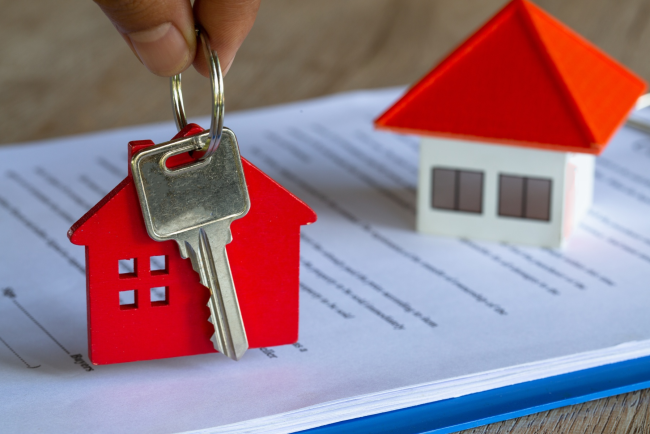
Buying a home in Phoenix is a major decision that requires careful research, financial preparation, and a clear understanding of what you are actually purchasing. A property may look perfect during a quick showing, but important details can be easy to overlook when buyers are focused on finding their ideal home. From the neighborhood and property condition to cooling costs and future maintenance, several factors can influence the real value of a property long after the purchase is complete.


Phoenix offers buyers a wide variety of properties and communities, making it possible to find homes for different lifestyles and budgets. However, having many options can also make the buying process more complicated. If you are researching Homes for Sale in Phoenix AZ, checking these nine factors before making an offer can help you make a more informed and financially responsible decision.
1. Check Your Complete Home Buying Budget
Before you start seriously viewing properties, determine how much you can comfortably afford. Your budget should not be based only on the mortgage amount a lender says you qualify for. You also need to account for property taxes, homeowners insurance, HOA fees, utilities, maintenance, repairs, and other household expenses.
It is important to leave room in your budget for unexpected costs after closing. Buying a home can require immediate spending on furnishings, repairs, appliances, landscaping, or other improvements. If your entire savings balance goes toward the purchase, even a relatively small unexpected expense could create financial pressure.
When looking at Homes for Sale in Phoenix AZ, focus on the total monthly and annual cost of ownership rather than simply comparing listing prices. A realistic budget can help you narrow your search and avoid becoming attached to properties that may not be financially comfortable.
2. Check the Neighborhood Before the Property
The neighborhood you choose can affect your daily life just as much as the home itself. Before making an offer, research the surrounding area and consider how well it fits your lifestyle.
Look at access to major roads, shopping centers, restaurants, schools, parks, healthcare facilities, employment areas, and other services that matter to you. Commute times should also be considered, particularly if you travel to work regularly.
Try visiting the neighborhood at different times of day if possible. Traffic, noise, parking, and general activity can change considerably between morning, afternoon, evening, and weekends.
Phoenix includes many different communities, and each can provide a different living experience. A property that seems like a great deal may not be a good choice if its location creates daily challenges for your household.
3. Check the Home's Overall Condition
Never judge a property solely by its appearance. Fresh paint, updated flooring, modern fixtures, and attractive landscaping can make a home look excellent while hiding expensive underlying problems.
Pay attention to the condition of major components such as the roof, HVAC system, plumbing, electrical system, windows, appliances, and foundation. Ask questions about the age of these systems and whether they have recently been repaired or replaced.
A professional home inspection can provide a much deeper assessment of the property. The inspection may identify issues that are difficult for buyers to recognize during a normal showing.
Understanding the condition of the property before purchasing can help you estimate future expenses and determine whether the home still represents good value.
4. Check the HVAC System and Energy Efficiency
Phoenix's desert climate makes the cooling system one of the most important components of many homes. Buyers should pay particular attention to the age, condition, and maintenance history of the HVAC system.
An aging or poorly maintained cooling system could require expensive repairs or replacement. You should also consider insulation, windows, roofing, shade, and other features that may influence indoor temperatures and energy consumption.
Ask about recent utility costs when possible and investigate whether the property has energy-efficient upgrades. These details may not be as visually exciting as a renovated kitchen, but they can have a meaningful impact on the cost of living in the home.
5. Check HOA Fees and Community Rules
If the property is located within a homeowners association, review the HOA information before making a commitment. Buyers should understand the current fees, what those fees cover, community amenities, restrictions, and any potential assessments.
HOA rules can influence landscaping, exterior modifications, parking, pets, renovations, and other aspects of homeownership. A property may appear perfect until you discover that certain changes you planned are restricted by community regulations.
The financial health of the association can also be worth reviewing. Understanding the HOA before purchasing can help you avoid unexpected costs and determine whether the community's rules fit your lifestyle.
6. Check Property Taxes and Insurance Costs
The purchase price does not represent the entire financial commitment. Property taxes and homeowners insurance can significantly influence your monthly housing expenses.
Before purchasing, obtain realistic estimates for these costs and include them in your overall budget. Insurance expenses can vary based on property characteristics and coverage requirements, while taxes contribute to the recurring cost of ownership.
These expenses should be evaluated alongside your mortgage payment rather than treated as minor additions. A home that fits your budget based on principal and interest alone may become less affordable once all recurring expenses are included.
7. Check the Home's Future Maintenance Needs
Every home requires maintenance, but the amount can vary significantly depending on its age, size, features, and condition. Buyers should think beyond the first few months of ownership and consider which major components may need attention in the coming years.
A roof, HVAC system, water heater, appliances, pool equipment, landscaping, and other components may eventually require repairs or replacement. If several systems are older, future maintenance could become a substantial expense.
Ask about the maintenance history of the property and keep documentation when available. Understanding what has already been repaired and what may need attention can help you plan a more realistic ownership budget.
8. Check Comparable Homes Before Making an Offer
Before deciding how much to offer, research similar properties in the same area. Comparing homes can help you understand whether the asking price appears reasonable based on location, size, condition, upgrades, and other characteristics.
Do not compare properties based solely on square footage. Two homes with similar sizes can have very different values because of their condition, lot size, location, renovations, community amenities, or other features.
Reviewing comparable properties gives you more context when evaluating Homes for Sale in Phoenix AZ. It can also help prevent you from making an emotional offer that is significantly higher than what the property may reasonably be worth.
9. Check Whether the Home Fits Your Future
A home should not only work for your current situation. It should also provide enough flexibility for your future plans. Think about whether your household may grow, whether you might work from home, and whether you may need additional bedrooms, storage, parking, or living space later.
Consider how long you realistically expect to stay in the property. If you purchase a home that meets your needs for only a short period, you may face another move and additional transaction expenses sooner than expected.
Location should also be considered from a long-term perspective. A convenient neighborhood can remain valuable if your employment, household needs, or lifestyle changes over time.
Make Your Phoenix Home Search More Strategic
Buying a home becomes much easier when you know what to evaluate before making a commitment. Checking your complete budget, researching the neighborhood, inspecting the property, reviewing the HVAC system, understanding HOA requirements, estimating taxes and insurance, planning for maintenance, comparing similar properties, and considering future needs can help you avoid costly surprises.
The large selection of Homes for Sale in Phoenix AZ gives buyers plenty of opportunities, but the right property is not necessarily the largest, newest, or most attractive home available. The best choice is one that fits your finances, lifestyle, location preferences, and long-term plans.
Taking the time to investigate these nine areas can help you approach the Phoenix housing market with greater confidence. Instead of rushing toward a property because it looks appealing, you can evaluate the complete picture and make a decision based on practical information. That preparation can protect your finances while helping you find a home that remains a good fit well beyond the day you receive the keys.
What's Your Reaction?