5 Psychological Elements That Turn Exhibition Stands Into Crowd Magnets
Discover five powerful psychology-driven design elements that attract visitors, boost engagement, and turn your exhibition stand into an irresistible crowd magnet.
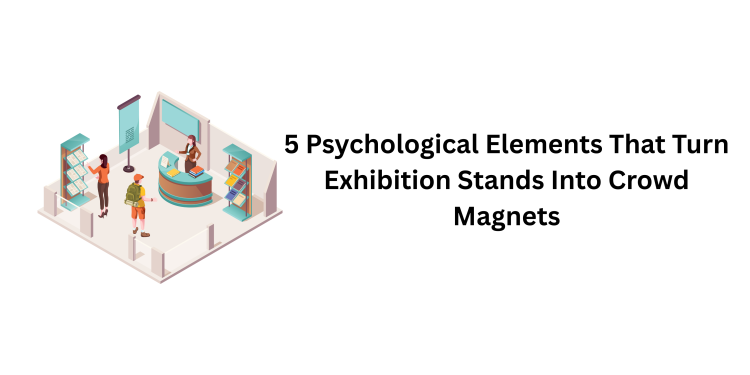
Exhibitions remain a strong channel for B2B brands to connect with decision-makers, build relationships, and generate qualified leads. Yet despite high investments, many exhibition stands fail to attract meaningful footfall. The reason is often not budget or location but a lack of understanding of how visitors think and behave.


Senior professionals such as CXOs, VPs, and directors make quick decisions in busy exhibition halls. Their attention is limited, and they gravitate toward stands that feel clear, credible, and easy to engage with. This is where psychology plays a defining role. Below are five psychological elements that consistently turn exhibition stands into crowd magnets while delivering real business value.
Why Psychology Matters in Exhibition Stand Design
Visitors rarely plan which exhibition stand they will stop at. Most decisions happen within seconds, based on visual signals, perceived relevance, and emotional comfort. Psychology shapes how people respond to colour, space, messaging, and human interaction.
For B2B audiences, the stakes are higher. Decision-makers look for competence, reliability, and clarity. An exhibition stand that aligns with these mental expectations attracts not only more visitors, but the right visitors. Understanding these behaviours helps transform an exhibition from a branding exercise into a revenue-focused opportunity.
1. First Impression and Visual Clarity
The human brain processes visuals faster than text. In an exhibition environment, this means your stand must communicate its purpose immediately. If visitors cannot understand what you offer within a few seconds, they move on.
Clear signage, focused messaging, and a clean layout help reduce mental effort. Senior-level visitors prefer simplicity because it signals confidence. A stand with one strong headline and a clear value proposition feels more professional than one overloaded with content. Visual clarity makes it easier for the right audience to step in and start a conversation.
2. Trust Built Through Branding Consistency
Trust is a key psychological driver in B2B decision-making. At exhibitions, trust begins before a conversation starts. Consistent use of brand colours, fonts, and messaging reassures visitors that they are dealing with a serious organisation.
A structured and consistent exhibition presence reflects operational maturity and reliability. This perception matters for directors and CXOs who evaluate long-term partnerships, not one-time transactions. A professionally designed exhibition presence helps position your brand as stable, credible, and worth engaging with.
3. Emotional Comfort Through Open and Accessible Space
People naturally avoid spaces that feel cramped or closed. This response is rooted in psychology and becomes more pronounced in high-energy environments like exhibitions. Open layouts create a sense of safety and welcome.
An exhibition stand that allows easy movement, clear entry points, and comfortable spacing encourages visitors to slow down. Emotional comfort leads to longer stays and more meaningful discussions. For B2B brands, this added interaction time often translates into higher-quality leads and better relationship building.
4. Human Interaction and Approachability
While design attracts attention, human interaction sustains interest. Visitors respond to people more than panels or screens. Exhibition staff play a critical psychological role in shaping the experience.
Approachable, attentive, and well-prepared team members increase trust and engagement. Aggressive sales behavior, on the other hand, triggers avoidance. Business leaders value informed conversations over promotional talk. When staff focus on listening and understanding visitor needs, the stand becomes a place for dialogue, not pressure.
5. Memory Triggers and Message Simplicity
Exhibitions overload visitors with information. As a result, memory retention is limited. Most people leave remembering only one or two key points from the entire event. This makes simplicity essential.
A single, well-defined message repeated across visuals and conversations improves recall. Avoid presenting multiple offerings at once. Instead, focus on the most relevant benefit for your target audience. Simple messages are easier to remember and more likely to resurface when decisions are made after the event.
Turning Attention Into Business Outcomes
Attracting crowds at exhibitions is not about bright displays or large structures alone. It comes from understanding how people think, react, and decide. Visual clarity, branding trust, open space, human interaction, and message simplicity work together to influence behaviour.
For B2B brands, applying these psychological elements leads to more focused conversations, stronger impressions, and better returns on exhibition investment. When designed with the audience in mind, an exhibition stand becomes more than a display. It becomes a strategic tool for business growth.
What's Your Reaction?