Wine Cork Market Growth Driven by Sustainability, Premium Wine Demand, and Traditional Craftsmanship
As per Market Research Future analysis, the Wine Cork Market Size was estimated at 6.83 USD Billion in 2024. The Wine Cork industry is projected to grow from 7.172 USD Billion in 2025 to 11.68 USD Billion by 2035, exhibiting a compound annual growth rate (CAGR) of 5.0% during the forecast period 2025 - 2035.


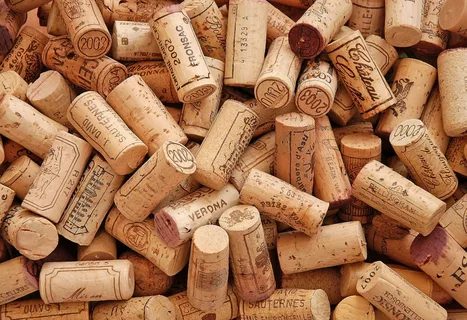
The wine cork market is experiencing steady and meaningful growth as global wine consumption continues to evolve alongside rising consumer awareness regarding sustainability, authenticity, and product quality. Traditionally, cork has been the preferred closure for wine bottles due to its natural properties, including elasticity, permeability, and ability to preserve the aging process of wine. Today, this traditional material is gaining renewed importance as environmentally conscious consumers and producers seek sustainable alternatives to synthetic closures. Cork, derived from the bark of cork oak trees, is renewable, biodegradable, and recyclable, making it a compelling solution in an era where environmental responsibility is becoming a key purchasing driver.
A major growth driver in the industry is the increasing demand for natural cork solutions, particularly in premium and luxury wine segments. Natural cork is highly valued for its ability to allow controlled oxygen exchange, which enhances the aging and flavor development of wine over time. This unique characteristic makes it the preferred choice for high-end wines, where quality and authenticity are paramount. As global demand for premium wines rises, particularly in regions such as North America and Europe, the demand for natural cork closures is expected to grow significantly.
In addition to premiumization trends, sustainability initiatives are playing a critical role in shaping the market. Consumers are increasingly seeking products that align with eco-friendly values, and cork’s renewable nature positions it as an ideal material. Unlike plastic-based closures, cork harvesting does not require tree cutting, allowing forests to regenerate naturally. This environmental advantage is encouraging wineries to adopt cork closures as part of their sustainability strategies, enhancing brand image and meeting regulatory requirements.
Another important factor driving market growth is the cultural and emotional association of cork with wine consumption. The act of opening a bottle sealed with a cork carries a sense of tradition, authenticity, and experience that alternative closures often fail to replicate. This emotional connection continues to influence consumer preferences, particularly among wine enthusiasts and collectors.
Technological advancements are also contributing to the evolution of the wine cork market. Improved manufacturing processes, quality control systems, and contamination prevention techniques have addressed historical concerns such as cork taint. These innovations are enhancing the reliability and performance of cork closures, making them more competitive against synthetic alternatives.
Furthermore, the expansion of wine consumption in emerging markets, particularly in Asia-Pacific, is creating new opportunities for cork manufacturers. As wine culture spreads and disposable incomes rise, the demand for quality closures is expected to increase, supporting market growth.
However, the market faces challenges such as competition from synthetic corks and screw caps, which offer consistency and cost advantages. Additionally, fluctuations in cork supply due to environmental factors may impact production and pricing.
Despite these challenges, the long-term outlook remains highly positive, driven by sustainability trends, premium wine demand, and technological advancements.
In conclusion, the wine cork market is being shaped by the convergence of tradition and innovation, with sustainability and premiumization serving as key growth drivers.
FAQs
1. Why is natural cork preferred in wine?
It enhances aging and preserves flavor.
2. What drives market growth?
Sustainability and premium wine demand.
3. Key challenge?
Competition from synthetic closures.
What's Your Reaction?