Why Choose Cushion Cut Engagement Rings for Your Proposal?
Discover why cushion cut engagement rings are a popular proposal choice and learn about their shape, sparkle, settings, metals, and buying tips.
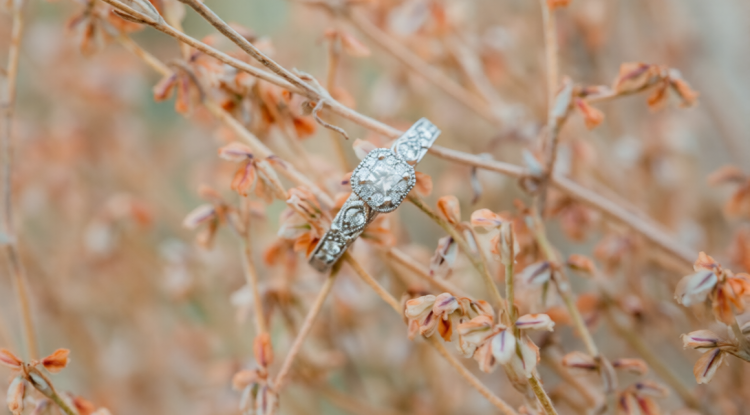
Choosing an engagement ring is an exciting decision, but with so many diamond shapes and designs available, finding the right one can sometimes feel overwhelming. Cushion cut engagement rings have remained a popular choice because they combine the softness of rounded edges with the brilliance of a beautifully faceted diamond.


Their romantic appearance, classic character, and wide range of setting options make cushion cut diamonds suitable for many different styles. Whether you prefer a vintage-inspired ring or a modern design, a cushion cut can create a memorable centerpiece for a proposal.
What Is a Cushion Cut Diamond?
A cushion cut diamond is a square or rectangular diamond with rounded corners. Its shape resembles a cushion, which is where the name comes from.
The cushion cut has been popular for more than a century and has evolved over time. Modern cushion diamonds are available in different proportions and facet patterns, giving buyers plenty of choices.
Some cushion cuts appear more square, while others have a noticeably rectangular shape. The choice often comes down to personal preference and the style of the engagement ring.
Why Choose Cushion Cut Engagement Rings?
There are several reasons couples are attracted to cushion cut engagement rings.
The rounded corners give the diamond a softer appearance than sharper shapes such as princess or emerald cuts. At the same time, its faceting can create impressive sparkle.
Cushion cuts can also work with many different settings, metals, and accent stones. This versatility makes them an appealing option for someone looking for a ring that feels both traditional and distinctive.
A Romantic and Elegant Appearance
One of the biggest advantages of a cushion cut is its romantic appearance.
The soft corners create a gentle silhouette, while the diamond's facets can produce beautiful flashes of light. This combination makes cushion diamonds particularly suitable for engagement rings.
Their shape can feel timeless without looking overly traditional, making them a good option for different generations and personal styles.
Cushion Cut vs Other Diamond Shapes
Every diamond shape has its own visual characteristics.
| Diamond Shape | Main Characteristic |
|---|---|
| Cushion | Soft corners and romantic appearance |
| Round | Classic brilliance and timeless style |
| Princess | Sharp corners and contemporary appearance |
| Oval | Elongated appearance and elegant silhouette |
| Emerald | Clean lines and glass-like reflections |
| Pear | Teardrop shape with distinctive character |
| Marquise | Long, narrow shape that can appear larger |
Cushion cuts stand out because they combine the geometric structure of a square or rectangle with rounded corners.
Different Cushion Cut Proportions
Not every cushion diamond looks the same.
Some have a square outline, while others are elongated. A rectangular cushion can create a longer appearance on the finger, while a square cushion may offer a more traditional look.
When selecting a cushion diamond, look at the length-to-width ratio as well as the overall appearance.
Rather than focusing only on measurements, consider how the diamond looks face-up and whether its proportions match the setting you have chosen.
Cushion Cut Engagement Rings and Sparkle
Cushion diamonds can offer impressive brilliance, but their sparkle depends on several factors.
The quality of the cut, proportions, symmetry, polish, and faceting pattern all influence how the diamond interacts with light.
Two cushion diamonds with similar carat weights can look noticeably different because of their cut characteristics.
For this reason, buyers should examine the actual diamond rather than selecting one based solely on its grading information.
What Is a Crushed Ice Cushion Cut?
Some cushion diamonds feature a faceting style commonly described as crushed ice.
These diamonds can produce many small flashes of light that create a glittering appearance across the stone. Other cushion cuts have larger, more defined flashes.
Neither style is automatically better. The choice depends on the visual effect you prefer.
If possible, compare several cushion diamonds under different lighting conditions before making a decision.
Choosing the Right Cushion Cut Setting
The setting plays a major role in the appearance of your engagement ring.
Solitaire Setting
A solitaire places the cushion diamond at the center without surrounding accent stones. This creates a clean and classic appearance while allowing the center diamond to remain the main focus.
Halo Setting
A halo surrounds the center cushion diamond with smaller diamonds. This can create additional sparkle and make the center stone appear larger.
Three-Stone Setting
A three-stone ring features a center cushion diamond alongside two additional stones. It can create a meaningful design representing the past, present, and future.
Pave Setting
Small diamonds are set along the band to add additional sparkle without taking attention completely away from the center stone.
Vintage Setting
Cushion diamonds work particularly well with vintage-inspired settings. Milgrain details, intricate metalwork, and decorative patterns can emphasize their romantic character.


Choosing the Right Metal
Cushion cut engagement rings can be made with different precious metals.
White gold provides a clean, contemporary appearance and can emphasize the brightness of a colorless diamond.
Yellow gold creates a warm contrast and gives the ring a classic appearance.
Rose gold offers a romantic pink-toned appearance that works particularly well with soft, feminine designs.
Platinum provides durability and a naturally white appearance, making it another popular choice for engagement rings.
The right metal depends on your personal style and the type of diamond you select.
How Does Color Affect a Cushion Diamond?
Cushion cuts can sometimes show color more noticeably than certain other diamond shapes because of their larger facets and deeper appearance.
If you prefer a very white-looking diamond, you may want to pay closer attention to the color grade.
However, a slightly lower color grade can sometimes provide better value while still appearing beautiful, particularly when paired with a warm-toned metal such as yellow or rose gold.
What About Diamond Clarity?
Clarity is another important consideration.
Cushion diamonds can have larger facets that make certain inclusions easier to see. However, clarity should not be judged only by the grading report.
Look at the diamond carefully and determine whether inclusions are visible to the naked eye.
A diamond that appears clean without magnification can sometimes offer better value than paying significantly more for a higher clarity grade that provides little visible difference.
Choosing the Right Carat Weight
Carat weight measures the diamond's weight rather than its visible size.
Two cushion diamonds with the same carat weight can appear different in size because their proportions and depth vary.
When comparing diamonds, look at the actual dimensions as well as the carat weight.
This can help you find a diamond that provides the visual presence you want while staying within your budget.
How to Choose a Cushion Cut Engagement Ring
Before buying, consider these important factors:
- Decide whether you prefer a square or elongated cushion.
- Compare different faceting patterns.
- Examine cut quality and symmetry.
- Consider color and clarity together.
- Choose a setting that complements the diamond.
- Select a metal that matches the wearer's style.
- Compare the diamond's dimensions, not just its carat weight.
- Set a budget before beginning your search.
Taking time to compare different options can make the buying process much easier.
Are Cushion Cut Engagement Rings Timeless?
Cushion cut diamonds have a long history in jewelry and continue to be used in both traditional and contemporary engagement rings.
Their rounded corners and distinctive proportions give them a classic foundation, while modern settings can make them look completely contemporary.
This flexibility is one reason they continue to appeal to couples looking for something elegant without choosing the most common diamond shape.
Final Thoughts
Cushion cut engagement rings offer a beautiful combination of romantic style, classic character, and modern versatility. Their rounded corners and distinctive faceting give them an appearance that can stand apart from more traditional diamond shapes.
When choosing one for your proposal, pay attention to the diamond's proportions, cut quality, color, clarity, and carat weight. The setting and metal are equally important because they can dramatically change the overall appearance of the ring.
Most importantly, choose a cushion cut engagement ring that reflects the personal style of the person who will wear it. A thoughtfully selected ring can make your proposal even more meaningful and become a piece of jewelry to treasure for years.
Frequently Asked Questions
Are cushion cut diamonds good for engagement rings?
Yes. Cushion diamonds are a popular engagement-ring choice because of their soft corners, romantic appearance, and versatile design options.
Do cushion cut diamonds sparkle?
Yes. Cushion diamonds can have excellent brilliance, although the amount and appearance of sparkle depend on the diamond's cut, proportions, and faceting pattern.
Are cushion cut engagement rings timeless?
Cushion cuts have a long history in jewelry and can work with both traditional and modern settings, making them a versatile and lasting choice.
Should a cushion diamond be square or rectangular?
This is primarily a matter of personal preference. Square cushions have a balanced appearance, while elongated cushions can create a longer and more elegant look on the finger.
What setting looks best with a cushion cut diamond?
Cushion diamonds work well with solitaire, halo, three-stone, pave, and vintage-inspired settings. The best choice depends on the desired style and the size and proportions of the center diamond.
What's Your Reaction?