What Makes A Black Modern Entrance Door Look Different?
Black entrance doors can create very different visual effects depending on their surface texture, sheen, and surrounding architectural details. For steel doors, however, appearance is only one part of the specification. Surface preparation, powder coating, steel thickness, reinforcement, and resistance to local weather conditions can all influence how the finished door performs over time.
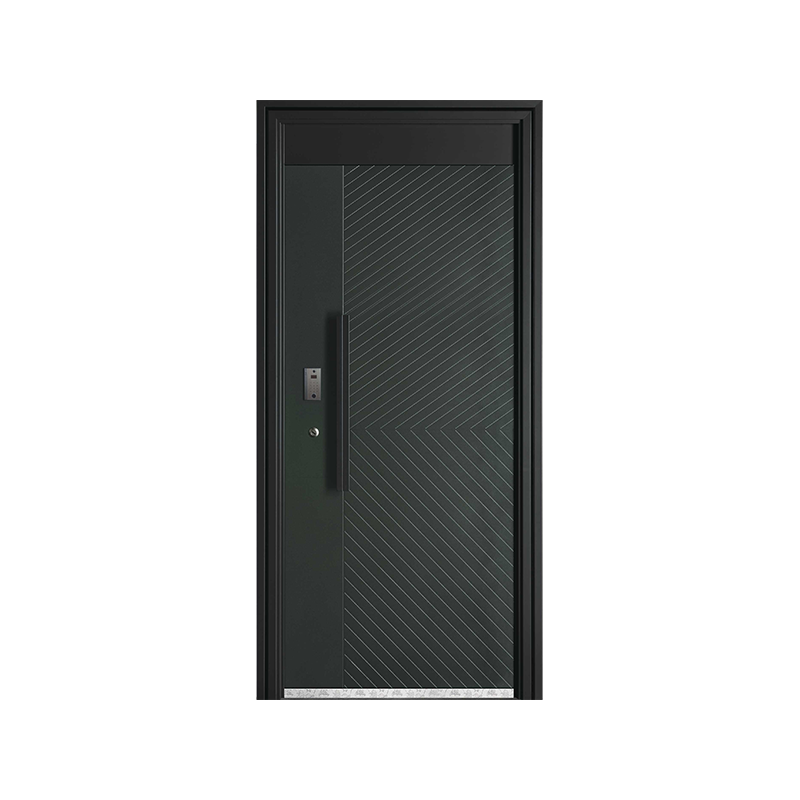
The appearance of a Black Modern Entrance Door is influenced by more than the choice of black as a color. A matte surface absorbs and diffuses light, giving the door a flatter appearance, while a gloss finish reflects more of its surroundings. Even two doors using a similar black tone can therefore look noticeably different once installed. For architects, fabricators, and project buyers, the finish needs to be considered alongside the overall proportions, hardware, glazing, and exterior materials of the building.


The consistency of that finish begins before coating. Steel surfaces need to be properly cleaned and treated so that contaminants, oxidation, or uneven preparation do not interfere with the coating process. Dark finishes can make these problems easier to notice because variations in texture and reflected light tend to stand out against a black surface. Consistent pretreatment across the door panel is therefore an important production step, particularly when several doors are being manufactured for the same project and are expected to have a uniform appearance.
Powder coating is another consideration for steel entrance doors. Unlike conventional liquid paint, powder coating uses electrically charged powder that is subsequently cured with heat to form a continuous finish. The resulting coating can provide useful resistance to everyday abrasion, chipping, and environmental exposure. For exterior doors, the coating specification should still be matched to the intended environment rather than treating every powder-coated finish as equivalent. UV exposure, humidity, temperature changes, and installation conditions can all affect long-term appearance.
The structural steel underneath the finish remains a separate part of the specification. A coating protects the surface, but it does not determine the fundamental strength of the door. Steel thickness, internal reinforcement, frame construction, hinges, locking components, and installation quality all contribute to the door's structural performance. When evaluating a Black Modern Entrance Door, it therefore makes sense to consider the finish and structural specification independently instead of assuming that a particular color indicates anything about security.
The surrounding climate can also influence finish selection. In regions with strong sunlight, darker surfaces may experience greater solar heating than lighter colors. Coastal or humid environments create different concerns, particularly around exposed edges, hardware openings, joints, and other areas where moisture can reach the underlying metal. Proper surface treatment and coating coverage become especially relevant in these conditions. For projects involving multiple entrances, specifying the finish according to the actual installation environment can help maintain a more consistent appearance over time.
Modern entrance architecture has also made finish selection more closely connected with overall design. Simple door panels, dark neutral colors, concealed or minimal hardware, and clean frame lines can work together to create a contemporary exterior without relying on decorative detailing. The Black Modern Entrance Door is therefore not simply a color variation within a steel door range. Its final appearance and long-term suitability depend on the relationship between surface preparation, coating technology, steel construction, hardware, and the environment in which the door will be installed.
What's Your Reaction?