What Are The Benefits Of Regular Car Service?
A car service is essentially a health check for your vehicle. During a service, a qualified mechanic inspects, maintains, and replaces various components to keep your car running smoothly and safely.
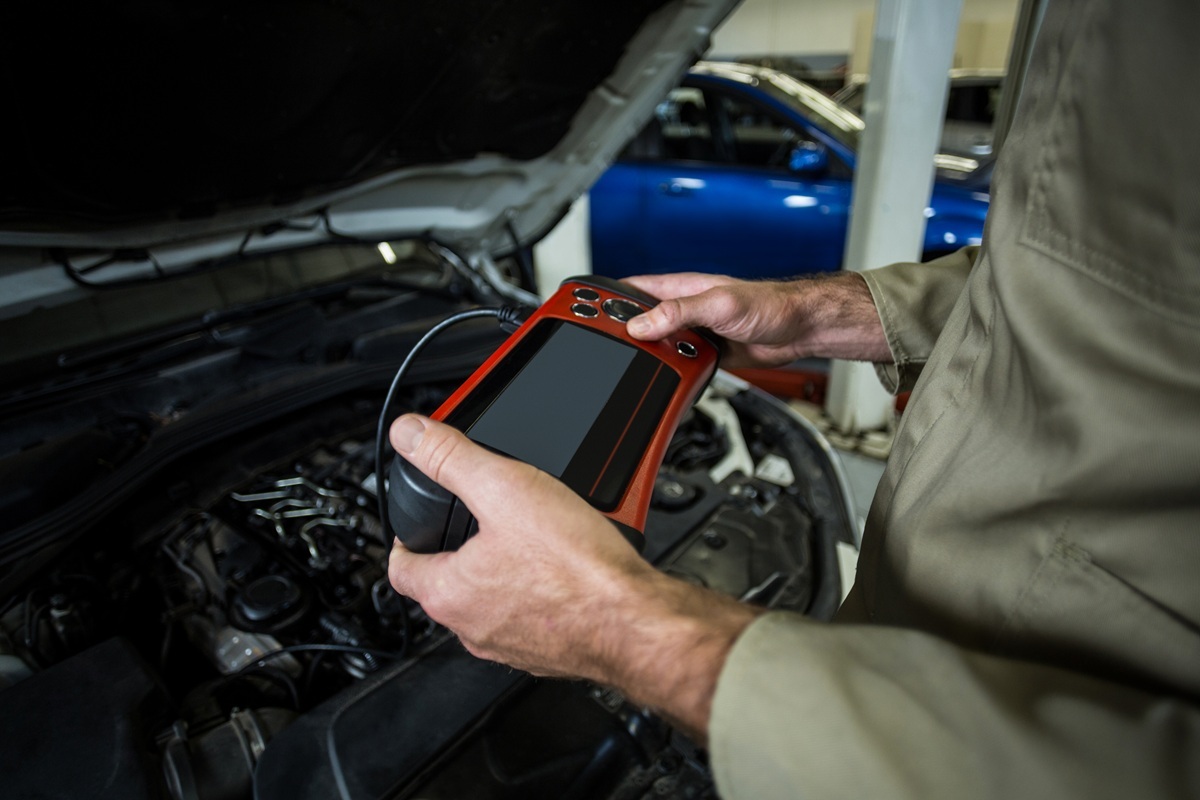
Have you ever wondered why your mechanic keeps reminding you about your next service? Or perhaps you've asked yourself whether regular car servicing is really worth the time and money? Maybe you've even thought about skipping a service or two to save a few dollars—after all, your car seems to be running fine, right?


Here's the thing: regular car servicing isn't just another expense to grudgingly tick off your to-do list. It's actually one of the smartest investments you can make as a car owner. From keeping you safe on the road to saving you from eye-watering repair bills down the track, routine maintenance delivers benefits that far outweigh the costs.
In this article, we'll explore everything you need to know about car servicing. We'll break down what's included in a service, examine the key benefits of staying on top of maintenance, and look at what happens when you neglect your vehicle. Plus, we'll help you decide whether a dealership or independent mechanic is the right choice for you. By the end, you'll understand exactly why making car servicing a priority is one of the best decisions you can make for your vehicle—and your wallet.
What Is A Car Service And What Does It Include?
A car service is essentially a health check for your vehicle. During a service, a qualified mechanic inspects, maintains, and replaces various components to keep your car running smoothly and safely. Think of it like a regular check-up at the doctor—catching small issues before they become major problems.
Minor Service vs Major Service: What's The Difference?
A minor service typically covers the basics. This includes an oil and filter change, fluid top-ups, a visual inspection of key components, and checking tyre pressure and condition. It's usually recommended every six months or 10,000 kilometres, whichever comes first.
A major service is more comprehensive. Along with everything in a minor service, it includes replacing spark plugs, checking the braking system thoroughly, inspecting suspension components, and examining the transmission. Major services are generally needed annually or every 20,000 kilometres.
How Often Should You Service Your Car?
Most manufacturers recommend servicing every six to twelve months, depending on your driving habits. If you do lots of short trips or drive in dusty conditions, you might need more frequent services. Always check your owner's manual for specific recommendations, as these vary between makes and models.
The Top Benefits Of Regular Car Servicing
Improved Safety On The Road
Your safety—and that of your passengers—should always come first. Regular servicing ensures critical safety components like brakes, steering, and suspension are working properly. A mechanic will spot worn brake pads, damaged tyres, or faulty lights before they put you at risk. There's genuine peace of mind knowing your car has been professionally checked and is roadworthy.
Enhanced Vehicle Performance And Fuel Efficiency
A well-maintained car simply runs better. Fresh oil, clean filters, and properly inflated tyres all contribute to optimal engine performance. When your engine doesn't have to work as hard, it uses less fuel—which means more money stays in your pocket. Many drivers notice improved acceleration and smoother handling after a service too.
Extending The Lifespan Of Your Car
Regular servicing can add years to your vehicle's life. By replacing worn parts and keeping fluids fresh, you prevent the kind of damage that leads to premature engine failure. It's not uncommon for well-maintained cars to clock up 300,000 kilometres or more. That's a fantastic return on your maintenance investment.
Maintaining Your Car's Resale Value
Planning to sell your car eventually? A complete service history is gold when it comes to resale value. Buyers are willing to pay more for a vehicle with documented maintenance because it demonstrates the car has been properly cared for. Skipping services might save you money now but could cost you thousands when you sell.
Preventing Costly Breakdowns And Repairs#
Nobody wants to be stranded on the side of the road with a broken-down car. Regular servicing catches potential problems early—before they leave you stuck and facing an expensive tow truck bill. A worn timing belt, for example, costs a few hundred dollars to replace during a service but could destroy your engine if it snaps while driving.
What Happens If You Don't Service Your Car Regularly?
Common Problems from Neglected Maintenance
Skip enough services and you'll start noticing problems. These include decreased fuel efficiency, rough idling, difficulty starting, unusual noises, and warning lights appearing on your dashboard. Over time, components like brakes, clutches, and engines wear out faster, leading to breakdowns at the worst possible moments.
Impact on Your Warranty and Insurance
Here's something many car owners don't realise: neglecting scheduled services can void your manufacturer's warranty. If something goes wrong and you can't prove you've maintained the vehicle properly, you might be stuck paying for repairs the warranty should have covered. Some insurance policies also require evidence of regular maintenance when processing claims.
.jpg)
Is It Worth Getting Your Car Serviced at a Dealership or Independent Mechanic?
Pros and Cons of Each Option
Dealerships offer manufacturer expertise and genuine parts, but they typically charge premium prices. They're often the best choice for new cars still under warranty or for complex issues specific to your make and model.
Independent mechanics usually offer lower prices and more personalised service. Many are highly skilled and use quality parts. However, quality can vary, so finding a reputable one matters. For older vehicles or routine maintenance, independents often represent excellent value.
How to Choose a Trusted Service Provider
Look for mechanics with proper certifications and positive reviews from other customers. Word-of-mouth recommendations from friends and family are invaluable. A good mechanic will explain what needs doing, provide written quotes, and never pressure you into unnecessary work. Trust your instincts—if something feels off, try another provider.
How Do I Know When My Car Needs a Service?
Warning Signs to Watch For
Your car often tells you when something's wrong. Watch for warning lights on the dashboard, unusual sounds like squealing or grinding, vibrations through the steering wheel, decreased fuel economy, or difficulty braking. Any of these symptoms warrant a visit to your mechanic, even if your next service isn't due yet.
Understanding Your Service Interval Indicator
Many modern cars have service interval indicators that display when maintenance is due. These systems track distance travelled and engine running time to calculate when servicing is needed. Don't ignore these reminders—they're designed to help you maintain your vehicle properly.
Regular Car Service and Environmental Benefits
Keeping your car well-maintained isn't just good for you—it's better for the environment too. A properly tuned engine produces fewer harmful emissions, while fresh oil and clean filters help reduce pollution. Well-maintained tyres at correct pressures mean better fuel efficiency and less carbon output. By servicing regularly, you're doing your bit to reduce your vehicle's environmental footprint.
Making Car Servicing a Priority
So there you have it—regular car service delivers benefits that extend far beyond just keeping your vehicle running. From enhanced safety and better performance to long-term cost savings and environmental responsibility, the case for routine maintenance is compelling. Your car is likely one of the biggest purchases you'll ever make, so protecting that investment makes perfect sense.
The bottom line? Don't wait until something goes wrong. Schedule your services on time, address warning signs promptly, and build a relationship with a mechanic you trust. These simple steps will keep you safer on the road, save you money over time, and help your car serve you faithfully for years to come.
Whether you drive a brand-new sedan or a trusty older model, your car deserves proper care. Make servicing a non-negotiable part of your vehicle ownership routine, and you'll reap the rewards every time you turn the key and hear that engine purr smoothly into life.
What's Your Reaction?