Was the 48-Team FIFA World Cup Actually Better?
Explore whether the expanded 48-team FIFA World Cup improved global representation, entertainment, match quality, and the overall tournament experience.
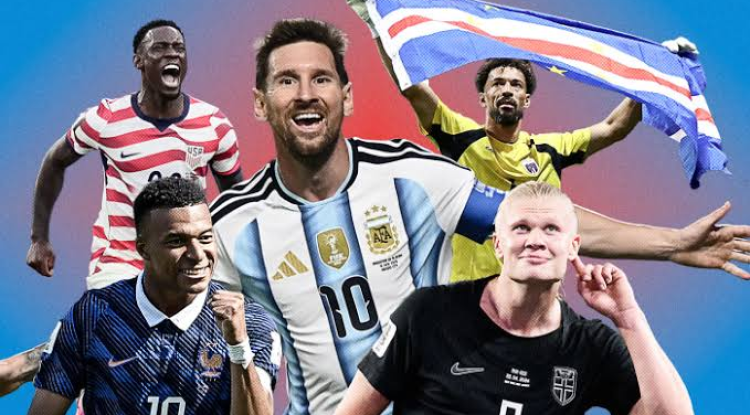
The 2026 FIFA World Cup introduced the biggest format in the tournament’s history. Instead of the traditional 32 teams, 48 countries competed across 12 groups, followed by a new Round of 32. The tournament featured 104 matches, giving football fans more games, more nations and more opportunities for unexpected moments.


But did a bigger World Cup actually create a better tournament?
One of the strongest arguments in favour of the expanded format was greater representation. Countries that previously struggled to qualify finally received an opportunity to compete on the world stage. More teams from Africa, Asia, North America and other developing football regions were able to participate. For more sports news, analysis, and trending stories, visit 4six Agent
For players from smaller football nations, reaching the World Cup was more than a sporting achievement. It gave them international attention, inspired young supporters and helped promote football in countries that rarely appeared in major tournaments.
The expanded competition also introduced fans to new teams, playing styles and football cultures. Instead of watching the same powerful nations dominate every edition, supporters had the chance to discover talented players and exciting underdog stories.
More teams also meant more matches. For football fans, 104 games created almost continuous entertainment. There were more opportunities for dramatic goals, late winners, penalty shootouts and surprising results.
However, the larger format also created some problems.
The main concern was the difference in quality between teams. While the strongest countries had experienced squads filled with world-class players, some newer participants struggled to compete at the same level. This increased the possibility of one-sided matches during the group stage.
Although unexpected results are part of football, too many uncompetitive games can reduce the excitement of a major tournament. The World Cup should provide opportunities to developing nations, but it must also maintain a high level of competition.
The new qualification system was another complicated part of the tournament. With 12 groups and several third-placed teams progressing to the knockout stage, understanding which teams had qualified became more difficult.
In the previous 32-team format, the top two teams from each group advanced directly to the Round of 16. It was simple and easy for supporters to follow. Under the expanded format, some teams had to wait for matches in other groups before knowing whether they had reached the next round.
The longer tournament also created physical challenges for players. Modern footballers already play demanding domestic leagues, cup competitions and international matches. Adding more World Cup fixtures increased the risk of fatigue and injury, especially for teams that progressed deep into the competition.
For supporters, more football sounded exciting, but following 104 matches was not always easy. Many fans could not watch every game, and the large number of fixtures sometimes made individual matches feel less important.
Commercial interests were also impossible to ignore. More teams and more matches produced greater television audiences, sponsorship opportunities and ticket revenue. While this helped FIFA expand the global reach of the tournament, critics argued that financial growth may have been prioritised over sporting quality and player welfare.
Despite these concerns, the 48-team format had clear benefits. It made the World Cup more inclusive, allowed more countries to experience the tournament and created new stories for global football fans.
The expanded competition showed that football is growing beyond its traditional centres of power. It gave developing teams valuable experience and encouraged more countries to invest in coaching, youth development and sporting infrastructure.
So, was the 48-team FIFA World Cup actually better?
The answer depends on what supporters value most. For global representation, diversity and the inclusion of smaller nations, the expanded format was a positive step. For simplicity, consistent match quality and player protection, the traditional 32-team structure may still have been stronger.
The 48-team World Cup proved that bigger can bring more excitement, but bigger does not automatically mean better. FIFA must continue improving the structure so that future tournaments balance inclusion with competitiveness.
The expansion should not only create more matches. It should create more meaningful matches, unforgettable stories and genuine opportunities for football nations around the world.
What's Your Reaction?