u4gm MLB The Show 26 Where Baseball Feels Right
MLB The Show 26 nails the feel of baseball—crisp controls, smart strategy, and stadium energy that keeps Franchise, Road to the Show, and online games seriously addictive.
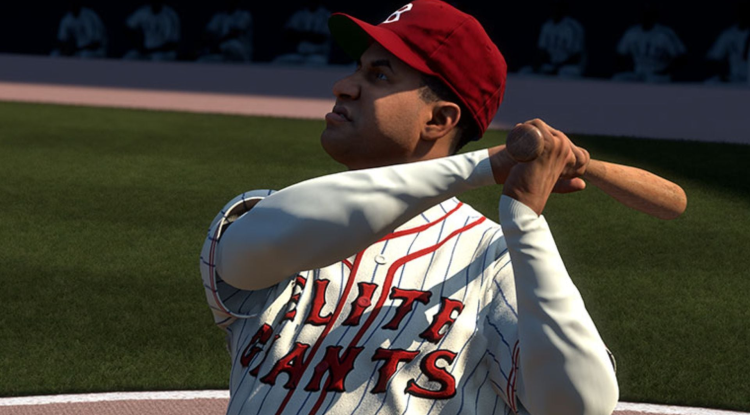
MLB The Show 26 doesn't need long to make its point. A couple of innings is enough. The game feels quicker in your hands, more exact, less floaty than before, and that matters in baseball more than almost anywhere else. You notice it when you're waiting on a fastball, trying not to chase junk, or lining up a throw with runners flying around the bases. Even little choices seem to carry more weight now. If you're the sort of player who cares about roster building and collecting MLB 26 stubs while digging into the full experience, there's a lot here that clicks fast. Fielding, especially, feels sharper. Not flashy. Just better. The glove work is cleaner, reactions are tighter, and those tiny split-second reads actually pay off instead of feeling like guesswork.


What stands out on the field
Batting and pitching both have that "one more game" pull because they're more readable without being easy. That's the sweet spot. You can sit on a pitch, miss it by a hair, and know exactly why it happened. Same on the mound. Sequencing matters. Location matters. A slider off the plate can set up the next strike if you've been thinking ahead. It's not trying to be dramatic every second, either. A lot of the best moments come from ordinary baseball stuff: working a count, stealing a base because you caught a pattern, or getting out of a jam with a well-timed double play. The game trusts those moments, and that makes it feel more like real baseball instead of a highlight machine.
The ballpark feel is stronger this year
Plenty of sports games look good now, so visuals alone don't carry much weight. What helps here is the atmosphere. Stadiums have more personality, and not just in a cosmetic way. Crowd reactions feel less canned, more tied to what's actually happening. A big strikeout lands differently from a routine fly ball, and you can hear it. Commentary also sounds more relaxed this time, like it's reacting to the flow of the game instead of reading from a script. Then there are the park-specific touches. Some outfields play awkwardly, some lighting makes tracking the ball tricky, and those small differences change how you approach innings. It's subtle, but after a few games you start planning around it.
Modes that keep you invested
If you like franchise mode, there's enough depth to get properly stuck in without turning every session into admin. You can tinker with lineups, shape a bullpen, and make those late-game calls that either make you feel like a genius or an idiot. That tension is a big part of the fun. Career-style progression works well too because it doesn't feel rushed. You build toward something. Online play, meanwhile, is where the unpredictability kicks in. Real players do odd stuff. They swing at nonsense, then suddenly punish your safest pitch. You've got to adjust fast. When you outthink somebody over a few at-bats, it feels earned, and when you get picked apart, you usually know what you need to fix.
Why it's easy to stick with
The best thing about MLB The Show 26 is probably how often the small details pull you back in. The sound off the bat, the shape of a breaking ball, the way a fielder hesitates for half a second in bad light — it all adds up over time. It works whether you've got twenty minutes or you're settling in for a long session. There's enough here for casual players to enjoy, but it also gives dedicated fans plenty to chew on. And if you're the type who likes keeping your team moving forward outside the game itself, services like U4GM are easy to spot in the wider community because players often use them for game currency and item support without overcomplicating the grind.
What's Your Reaction?