Top 10 Companies Leading the Blood Component Extractors Market Growth
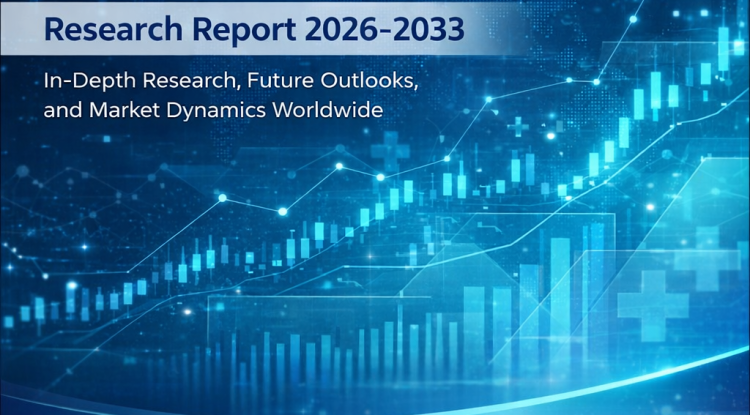
According to a newly published market research report by 24LifeSciences, global automatic blood component extractors market was valued at USD 380 million in 2024 and is projected to reach USD 620 million by 2032, growing at a compound annual growth rate (CAGR) of 6.2% during the forecast period 2025-2032.


Automatic blood component extractors are sophisticated medical devices designed to separate centrifuged whole blood into its primary therapeutic componentsred blood cells, plasma, and plateletswithin closed, single-use plastic bag systems. These systems are critical for modern transfusion medicine, enhancing blood bank operational efficiency, ensuring component sterility, and significantly increasing yield per donation. Their adoption is driven by the global rise in demand for safe blood products and the need for standardized, high-quality components in therapeutic applications.
Download a Free Sample Report (PDF): https://www.24lifesciences.com/download-sample/10934/automatic-blood-component-extractors-market
Rising Global Demand for Blood Components and Surgical Procedures Fuels Market Growth
The increasing global prevalence of chronic diseases and a growing number of surgical interventions are major drivers for the automatic blood component extractors market. Conditions such as cardiovascular diseases, cancer, and trauma cases require frequent blood transfusions, creating sustained demand for reliable blood components. The expanding volume of cardiovascular surgeries, organ transplants, and emergency medical procedures has significantly increased the need for efficient, high-yield blood processing systems in hospitals and dedicated blood centers worldwide.
Moreover, the shift from manual separation methods to automated systems is accelerating due to the superior efficiency, consistency, and safety offered by these devices. Automated extractors reduce human error, minimize contamination risks, and improve component quality, which is crucial for meeting stringent regulatory standards and ensuring patient safety.
Technological Advancements Enhance Automation and Integration Capabilities
Continuous innovation in automatic blood component extractor technology is transforming market dynamics. Modern systems now feature advanced automation, closed-system processing, barcode integration for full traceability, and software that streamlines workflow and data management. These technological enhancements not only improve operational efficiency but also align with good manufacturing practices (GMP) required in blood processing facilities.
Furthermore, the development of double-press systems, which allow for simultaneous extraction of multiple components from a single centrifuge run, is gaining traction in high-volume settings. The integration of these systems with blood bank information management systems and IoT platforms enables real-time inventory tracking, predictive maintenance, and optimized supply chain management, creating significant value for large-scale operations.
Market Challenges: High Costs and Regulatory Complexities
Despite strong growth prospects, the market faces several notable challenges:
- High capital investment and operational costs associated with acquiring and maintaining automated systems
- Stringent regulatory approval pathways from agencies like the FDA and EMA, requiring extensive validation and compliance
- Technical complexity and shortage of skilled personnel capable of operating and troubleshooting advanced equipment
- Budget constraints in public healthcare systems and non-profit blood centers, delaying technology adoption
Additionally, in cost-sensitive and emerging markets, there is persistent competition from semi-automated and manual methods, which can slow the transition to fully automated solutions.
Get the Complete Report & Table of Contents: https://www.24lifesciences.com/automatic-blood-component-extractors-market-10934
North America Leads the Global Market with Advanced Healthcare Infrastructure
The North American region, particularly the United States, dominates the global automatic blood component extractors market. This leadership is reinforced by a well-established healthcare infrastructure, high adoption rates of advanced medical technologies, and stringent regulatory frameworks that emphasize blood safety. The presence of major market players, significant healthcare expenditure, and a strong network of large-scale blood centers and hospital systems contribute to the region's prominent market share.
Europe holds a significant market position as well, supported by harmonized regulatory standards and universal healthcare systems. However, the Asia-Pacific region is projected to exhibit the highest growth rate during the forecast period, driven by rapidly improving healthcare infrastructure, government initiatives to modernize blood transfusion services, and increasing medical tourism in countries like India, China, and Japan.
Blood Centers Dominate Market by Application
By application, blood centers represent the largest and most critical segment. These facilities serve as central hubs for blood collection, processing, and distribution, requiring high-capacity, automated systems to manage large volumes efficiently. The need for standardized, high-quality blood products to support transfusion medicine and therapeutic procedures underpins the dominance of this segment.
By product type, fully automated systems are favored over semi-automated or manual alternatives due to their superior efficiency, reduced contamination risk, and compliance with regulatory standards.
Competitive Landscape: Moderately Consolidated with Global and Regional Players
Global automatic blood component extractors market is moderately consolidated, with a few multinational corporations holding a significant revenue share. Competition is primarily based on technological innovation, product reliability, regulatory compliance, and the ability to offer integrated solutions. Established companies benefit from extensive distribution networks and long-standing relationships with large blood centers and hospital networks.
Key companies profiled in the report include:
- Terumo BCT
- Fresenius Kabi
- Grifols
- Lmb Technologie
- Macopharma
- JMS
- Delcon
- and More
Get the Complete Report & Table of Contents:
https://www.24lifesciences.com/automatic-blood-component-extractors-market-10934
Market Opportunities: Emerging Economies and Digital Integration
Significant growth opportunities are emerging in developing regions across Asia-Pacific, Latin America, and the Middle East, where governments are investing in healthcare infrastructure and national blood programs. Additionally, the integration of automatic extractors with digital health platforms and IoT technologies presents a substantial opportunity for enhancing operational efficiency, enabling real-time data analytics, and improving blood supply chain management.
Ongoing research into new therapeutic uses for blood-derived products, such as advanced cell therapies and personalized medicine, is also expected to open new avenues for market expansion, particularly for systems capable of specialized, small-batch processing.
Access the Full Report
Download a Free Sample Report (PDF):
https://www.24l" rel="noopener" target="_new">https://www.24lifesciences.com/download-sample/10934/automatic-blood-component-extractors-market
Get the Complete Report & Table of Contents:
https://www.24lifesciences.com/automatic-blood-component" rel="noopener" target="_new">https://www.24lifesciences.com/automatic-blood-component-extractors-market-10934
About 24LifeSciences
24LifeSciences is a leading provider of market intelligence and strategic research reports across pharmaceuticals, biotechnology, medical devices, and healthcare technologies
24LifeSciences is a leading provider of market intelligence and strategic research reports across pharmaceuticals, biotechnology, medical devices, and healthcare technologies. Our reports are designed to support data-driven decision-making for manufacturers, healthcare providers, investors, consultants, and policy makers worldwide.
Follow us on LinkedIn:
https://www.linkedin.com/company/lifesciences24/
What's Your Reaction?