The Intelligent Grid: Revolutionizing Energy Distribution with AI
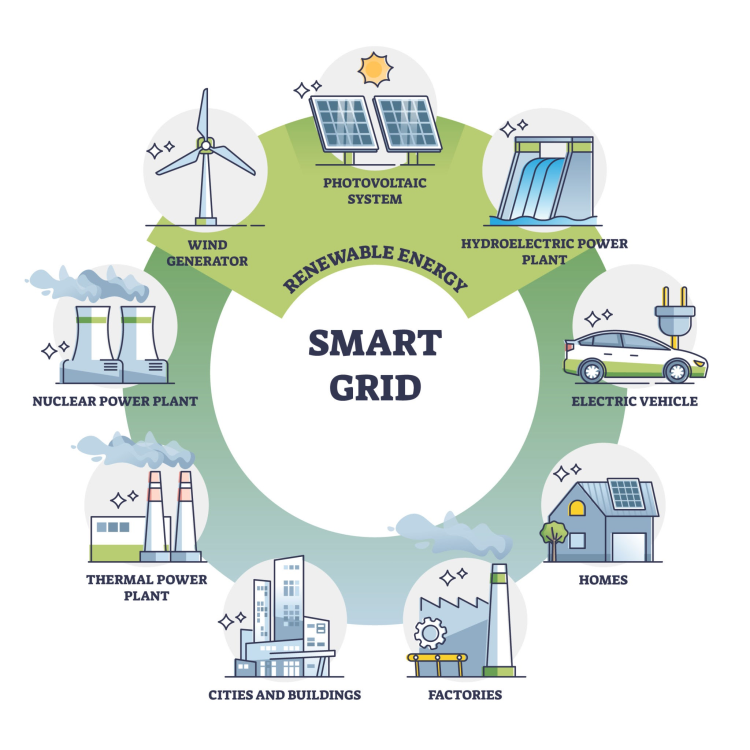
The global energy landscape is undergoing a monumental transformation, driven by the urgent need for decarbonization, the proliferation of distributed energy resources (DERs) like solar and wind, and the increasing demand for resilient and reliable power. At the heart of this revolution is the concept of the Smart Grid, a sophisticated network that integrates advanced digital communication technologies with the existing electrical infrastructure. Central to the success of the Smart Grid is Artificial Intelligence (AI), a technology that is not merely optimizing current processes but fundamentally redefining the entire paradigm of Energy Distribution.


AI energy distribution refers to the application of machine learning, deep learning, and advanced analytics to manage, control, and optimize the flow of electricity from generation sources through transmission lines and distribution networks, all the way to the end consumer. By processing vast amounts of real-time and historical data—from weather patterns and consumption trends to equipment health—AI systems enable unprecedented levels of efficiency, reliability, and sustainability, transforming the traditionally reactive grid into a proactive, adaptive, and intelligent system.
???? Core Applications and Benefits of AI in Distribution
The integration of AI into energy distribution systems is yielding a wide array of benefits, addressing some of the most pressing challenges of the modern energy era.
1. Optimized Load and Generation Forecasting
One of the most critical functions of any electricity grid is balancing supply and demand in real-time. The traditional grid struggles with the intermittency of renewable sources like solar and wind power, whose output can change drastically and unpredictably.
-
Renewable Energy Forecasting: AI algorithms analyze complex datasets, including historical generation data, hyper-local weather forecasts (wind speed, solar irradiance, temperature), and even satellite imagery to predict the output of DERs with high accuracy. This allows grid operators to better integrate these fluctuating sources, reducing the need for fossil-fuel-based "peaker plants" to compensate for sudden dips.
-
Demand Forecasting (Load Forecasting): AI models predict consumer electricity usage patterns based on factors such as time of day, seasonal changes, economic indicators, and even the rise of new loads like Electric Vehicle (EV) charging. By anticipating peak demand periods, AI enables utilities to dynamically adjust generation and storage deployment, preventing grid overloads, reducing operational costs, and improving system stability.
2. Enhanced Grid Stability and Real-Time Management
AI's ability to process data at speed allows for real-time decision-making, crucial for maintaining the stability of the distribution network, especially with bidirectional power flows introduced by prosumers (consumers who also generate power).
-
Automated Grid Optimization: AI-powered smart grid management systems continuously monitor thousands of data points from sensors, smart meters, and Phasor Measurement Units (PMUs). They can automatically reroute power flows, adjust voltage levels, and optimize transformer tap settings to minimize energy loss (technical losses) and maintain optimal power quality, resulting in smoother energy distribution and reduced costs.
-
Demand Response Optimization: AI enables sophisticated Demand Response (DR) programs by intelligently regulating energy loads during peak periods. For instance, AI can communicate with smart home devices to briefly reduce non-essential consumption (like slightly delaying a washing machine cycle or adjusting a thermostat) in a coordinated manner, reducing strain on the grid and preventing blackouts without significantly impacting customer comfort.
3. Predictive Maintenance and Anomaly Detection
Aging infrastructure is a major vulnerability for electrical grids worldwide. AI is transforming maintenance from a reactive or time-based routine into a highly efficient, predictive strategy.
-
Predictive Maintenance (PdM): AI algorithms analyze sensor data from distribution assets—transformers, lines, switches, and circuit breakers—to detect subtle deviations signaling potential component failure. By identifying equipment that is likely to fail before it breaks, utilities can schedule maintenance proactively. This approach, shifting from reactive to predictive maintenance, significantly reduces unplanned downtime, extends asset lifespan, and lowers maintenance costs by up to 25%.
-
Fault and Anomaly Detection: AI systems continuously monitor grid health, identifying anomalies such as unauthorized power consumption (theft), cybersecurity threats, or physical faults (like tree branch contact or equipment damage) almost instantaneously. This rapid detection is critical for ensuring security and accelerating the deployment of repair crews, improving grid resilience. AI is also key to developing self-healing grids that can automatically isolate a fault and restore power to unaffected areas.
????️ Implementing the Intelligent Distribution Network
The integration of AI into energy distribution is synonymous with the maturation of the Smart Grid. This transition requires a concerted effort across technology, infrastructure, and human capital.
The Role of Data and IoT
AI is entirely dependent on data. The modern distribution network is instrumented with a vast network of Internet of Things (IoT) devices:
-
Smart Meters: Provide granular, real-time consumption and generation data from homes and businesses.
-
Sensors and PMUs: Monitor voltage, current, frequency, and phase angle at critical points in the distribution network.
-
Distributed Energy Resource (DER) Management Systems: Feed data on the status and output of solar arrays, battery storage, and small-scale generation.
AI and Machine Learning (ML) models—including Deep Learning and Neural Networks—ingest these massive, high-velocity datasets to learn complex patterns and make increasingly accurate, autonomous decisions.
AI in Energy Storage Management
Energy storage, particularly batteries, is crucial for grid stability in a renewable-heavy system. AI is essential for optimizing the charging and discharging of these assets:
-
AI predicts the most economically and operationally beneficial times to charge batteries (e.g., when solar/wind output is high and prices are low) and to discharge them back into the grid (e.g., during peak demand or when renewable generation dips), maximizing the value of the storage system and ensuring energy availability when it’s most needed.
???? Challenges and Dualities in AI Adoption
While the potential of AI is immense, its widespread adoption in energy distribution faces significant hurdles, some of which present an intriguing duality.
1. Data Quality, Security, and Privacy
AI systems are only as good as the data they are trained on. Ensuring the quality, cleanliness, and completeness of data from heterogeneous sources remains a major challenge. Moreover, the reliance on vast datasets raises critical concerns:
-
Cybersecurity: The increased connectivity required for an intelligent grid exposes critical infrastructure to sophisticated cyber threats. AI is a double-edged sword: while it is a powerful tool for defending the grid by detecting anomalies and attacks, it also creates more points of vulnerability that must be secured.
-
Data Privacy: The detailed consumption data collected by smart meters is highly sensitive, revealing information about occupants' activities. Utilities must implement robust encryption and adhere to strict regulatory frameworks to safeguard consumer privacy.
2. High Implementation Costs and Legacy Systems
Modernizing the grid with AI requires substantial investment in new digital infrastructure, advanced sensors, and software platforms. Many utilities still rely on decades-old legacy systems that are difficult and expensive to integrate with cutting-edge AI solutions. The initial capital expenditure, coupled with the long asset life of utility equipment, creates financial and logistical inertia against rapid technological change.
3. The Energy Footprint of AI Itself
Paradoxically, the technology designed to optimize energy efficiency is also becoming one of the fastest-growing sources of electricity demand.
-
Data Center Demand: The large language models (LLMs) and complex deep learning algorithms powering AI systems require massive, continuous computing power, primarily housed in data centers. The energy consumed by these data centers is projected to grow exponentially, placing a significant new strain on the electrical grid and potentially undermining sustainability goals if the data centers are not powered by clean energy. This necessitates a strategic focus on energy-efficient AI design and ensuring data centers are sited and operated with clean power.
4. Workforce Readiness and Regulation
The energy sector requires a new breed of professionals—data scientists, machine learning engineers, and cybersecurity experts—to manage and maintain the intelligent grid. A significant skills gap currently exists. Furthermore, regulatory frameworks and market rules, which were established for the older, centralized grid model, are often slow to adapt to the speed and complexity of autonomous AI-driven operations.
???? The Future: Autonomous and Decentralized Distribution
Looking ahead, AI is set to push the energy distribution network toward a state of full autonomy and greater decentralization.
The ultimate vision is the self-healing, autonomous grid. This system will leverage advanced AI to detect, diagnose, isolate, and reroute power around faults without human intervention, ensuring near-instantaneous power restoration and unprecedented reliability. This capability is not just an efficiency gain; it is a fundamental pillar of national security and economic resilience in the face of increasingly severe climate events and cyber threats.
AI will also facilitate the transition to a more decentralized, peer-to-peer energy market. By optimizing local energy exchanges within a microgrid, managing neighborhood battery storage systems, and enabling real-time energy trading between prosumers, AI creates a truly flexible and dynamic distribution system that maximizes the value of every electron. This will empower consumers, democratize the energy market, and accelerate the shift toward a cleaner, more sustainable energy future for all.
What's Your Reaction?