The Hidden Costs of “Normal” Machine Inefficiency
With a more modern, efficient motor system, the same task feels lighter. Equipment stabilizes earlier, maintains consistent output, and doesn’t constantly draw excess power just to keep up.
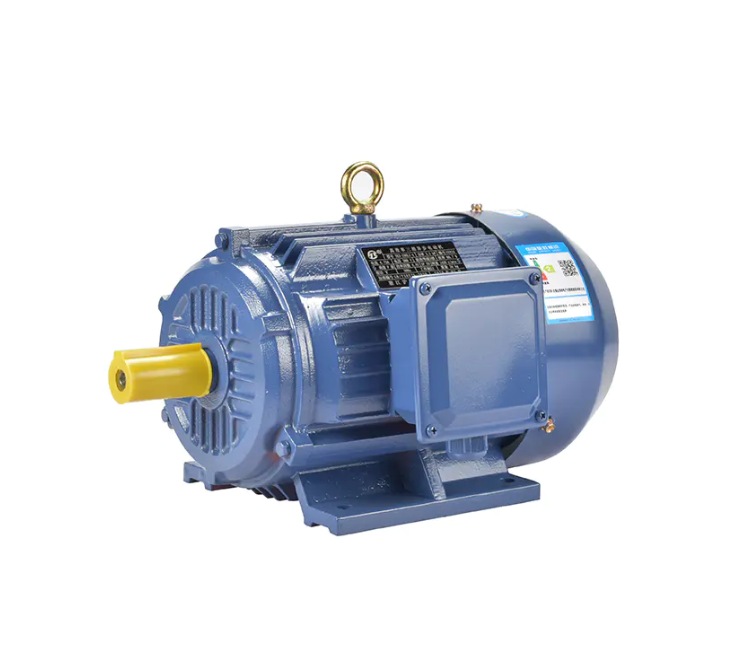
For many factory operators, the moment their machines start for the day, the hum of the equipment already feels heavier than it should. You push your systems harder, energy bills creep up, and efficiency drops without warning. This is where many realize their older motor systems simply weren’t built for today’s operating demands, and a Second Class Energy Efficient Motor quickly becomes part of the conversation—not as a fancy upgrade, but as a practical fix to a daily struggle.


When “Normal” Energy Waste Becomes Too Expensive
It often starts small: machines taking longer to reach working speed, rising heat you can’t fully explain, or power usage that feels out of proportion to output. Most teams accept this as “just how it is,” not realizing the energy loss from outdated motors is quietly eating into operational budgets.
With a more modern, efficient motor system, the same task feels lighter. Equipment stabilizes earlier, maintains consistent output, and doesn’t constantly draw excess power just to keep up.
Smoother Operation Means Fewer Interruptions
A big pain point for technicians is the unpredictable slowdown—those moments the machine hesitates and the entire workflow feels disrupted. It’s not catastrophic, but it’s irritating enough to break concentration.
Switching to a more efficient motor changes the rhythm of operations. The motor responds faster, handles load changes more gracefully, and feels more predictable. Technicians notice it instantly because their workflow becomes less reactive and more controlled.
No Need to Change Your Existing Setup
Many operators fear that choosing a new motor means redesigning entire systems. That’s where efficient motors make the transition easier. They integrate into existing workflows without forcing teams to relearn steps or redo their setup.
The motor simply becomes a stronger link in the chain—one that aligns with what users already do.
A Predictable Workday Is a More Productive One
Small frustrations accumulate across the workday. The benefit of an energy-efficient system is not only in reduced power use—it’s in the ease of operation, quieter performance, and fewer interruptions that allow teams to stay focused on production instead of troubleshooting.
When users look back after upgrading, they often realize they weren’t chasing “performance”—they were chasing stability, predictability, and peace of mind. That’s the experience a Second Class Energy Efficient Motor restores.
What's Your Reaction?