Spicy Maple Syrup: How to Make, Use, and Pair This Sweet-and-Heat Favorite
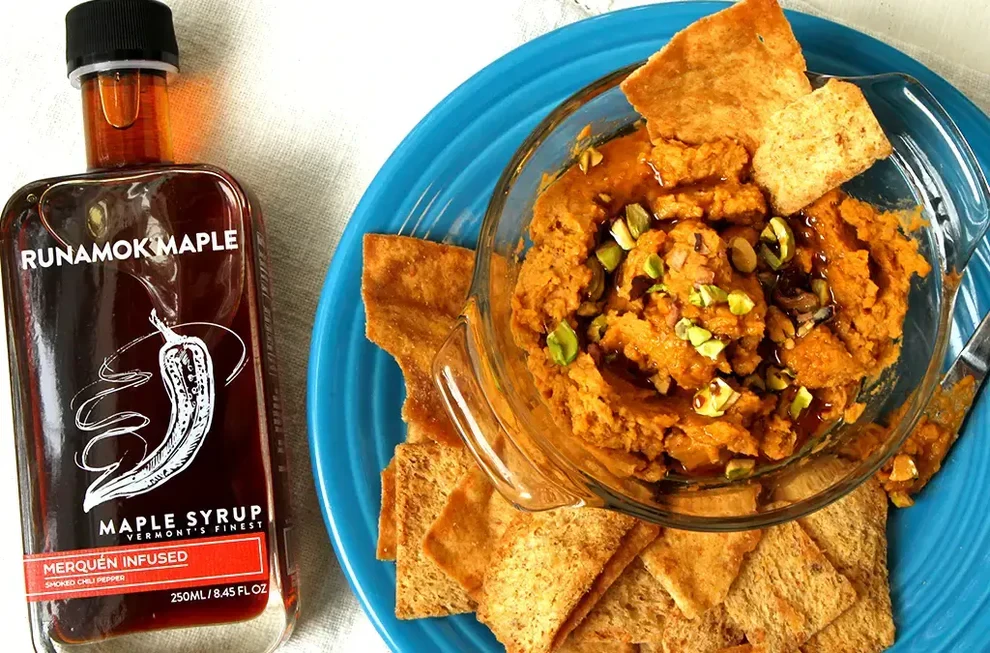
Spicy maple syrup combines the deep sweetness of maple with the warming kick of peppers and spices. It can turn an ordinary breakfast into something memorable, but the best versions balance sweetness and heat rather than letting one overpower the other. For readers exploring local options such as spicy maple syrup near jefferson ohio, understanding what makes a good spicy maple syrup can make choosing and using it much easier.


The appeal goes far beyond pancakes. A well-balanced spicy maple syrup works as a finishing sauce for fried chicken, roasted vegetables, grilled meats, sandwiches, desserts, and even cocktails. Because maple syrup already has complex caramel and vanilla-like notes, adding carefully selected peppers creates layers of flavor instead of simply adding heat.
What Is Spicy Maple Syrup?
Spicy maple syrup is maple syrup infused with ingredients that provide heat and additional flavor. Common additions include crushed red pepper flakes, cayenne, fresh jalapeños, chipotle peppers, or hot honey-style spice blends.
The basic concept is simple: maple syrup supplies sweetness, while peppers contribute heat. However, the final flavor depends heavily on the type and amount of pepper used.
For example, cayenne produces a clean, direct heat. Chipotle adds smokiness along with moderate heat. Jalapeño creates a fresher pepper flavor, while red pepper flakes can provide gradual heat and visible spice.
Pure maple syrup is generally the best starting point because its natural flavor remains noticeable after adding spices. Grade A maple syrup can vary considerably in flavor, so choosing a darker, more robust syrup can be particularly useful when pairing it with strong savory foods.
How to Make Spicy Maple Syrup at Home
Making spicy maple syrup does not require complicated equipment. The key is controlling the heat gradually.
Step 1: Choose Your Maple Syrup
Start with pure maple syrup rather than pancake syrup. Real maple syrup has naturally occurring flavor compounds that complement peppers.
A darker syrup can work especially well for savory applications because its stronger caramel character stands up to smoky or spicy ingredients.
Step 2: Select the Right Pepper
Think about the flavor you want before choosing the pepper.
-
Cayenne: Clean, noticeable heat
-
Crushed red pepper: Moderate heat with texture
-
Jalapeño: Fresh, green pepper flavor
-
Chipotle: Smoky and earthy
-
Ancho chili: Mild heat with a slightly fruity character
You can also combine peppers. For example, a small amount of chipotle with cayenne can create both smoky depth and a sharper finish.
Step 3: Infuse the Syrup Carefully
Warm the maple syrup gently in a saucepan. Avoid aggressively boiling it because excessive heat can alter its flavor and make the syrup unnecessarily thick.
Add a small quantity of your chosen pepper and allow the mixture to warm gently for several minutes. Taste after cooling a small sample.
If more heat is needed, add additional pepper rather than starting with a large quantity. Heat can become much more pronounced as the infusion develops.
Step 4: Strain and Store
If you used fresh peppers or large spices, strain the syrup through a fine-mesh strainer after infusion.
Allow it to cool before transferring it to a clean container. Store homemade infused syrup according to appropriate food-safety practices, especially when using fresh ingredients. Refrigeration is a sensible choice for many homemade preparations.
Best Ways to Use Spicy Maple Syrup
One of the biggest advantages of spicy maple syrup is its versatility.
Breakfast Foods
Pancakes and waffles are the obvious choices, but spicy maple syrup also works beautifully with French toast, biscuits, breakfast sandwiches, and crispy bacon.
Try drizzling a small amount over pancakes topped with butter and toasted pecans. The combination creates contrasting textures while the pepper prevents the dish from becoming overly sweet.
Fried Chicken and Savory Foods
Sweet-and-spicy flavors are particularly effective with crispy fried foods. Drizzle spicy maple syrup over fried chicken just before serving, or serve it separately as a dipping sauce.
It can also complement chicken sandwiches, pork chops, sausage, and grilled ham.
Vegetables
Spicy maple syrup can make roasted vegetables considerably more interesting. Toss Brussels sprouts, carrots, sweet potatoes, or cauliflower with a small amount of syrup during the final stage of cooking.
For roasted sweet potatoes, try combining maple syrup with black pepper, smoked paprika, and a little salt. The result balances sweetness, spice, and savory flavor.
Cheese and Appetizers
The sweetness of maple pairs naturally with salty and creamy cheeses. A small drizzle over baked brie, goat cheese, or sharp cheddar can create an easy appetizer.
The trick is moderation. You want the syrup to complement the cheese rather than cover its flavor.
Common Mistakes to Avoid
The most common mistake is adding too much heat too quickly. A syrup that becomes painfully spicy can be difficult to use across different dishes.
Another mistake is choosing a pepper based only on its Scoville rating. Heat level matters, but flavor matters just as much. A smoky chipotle and a sharp cayenne can have completely different effects even when used in similar quantities.
Using artificial pancake syrup is another potential problem. Some products are designed primarily for sweetness and may lack the rich maple character needed to balance strong spices.
Finally, avoid using spicy maple syrup as though it were an ordinary sweetener. Because it contains heat, it should be treated as a seasoning ingredient. Start with a small amount and increase it gradually.
Practical Tips for Better Flavor
Balance sweetness with salt. A tiny amount of salt can make the maple flavor more pronounced and prevent the syrup from tasting flat.
Consider acidity. When using spicy maple syrup in savory dishes, a little lemon juice or vinegar can provide useful contrast. Add acidity to the finished dish rather than automatically mixing it into the syrup.
Match heat to the food. Mild spice works well with delicate foods such as pancakes and soft cheeses. Stronger heat can stand up to fried chicken, barbecue, and roasted meats.
Use it as a finishing ingredient. Adding syrup near the end of cooking preserves its distinctive flavor. Excessive cooking can diminish some of the qualities that make maple syrup appealing.
Experiment with spices. Cinnamon, smoked paprika, black pepper, ginger, and garlic can each change the character of the finished syrup. However, introduce one or two supporting flavors at a time so you can identify what works.
Conclusion
Spicy maple syrup is more than maple syrup with hot peppers. When properly balanced, it combines sweetness, warmth, and complexity in a versatile ingredient that can work across breakfast, appetizers, vegetables, meats, and desserts.
The best approach is to start with quality maple syrup, choose a pepper based on both flavor and heat, and introduce spice gradually. Once you understand that balance, spicy maple syrup becomes an easy way to add contrast and personality to familiar dishes without requiring complicated recipes.
What's Your Reaction?