Office Table Ideas For A Productive And Professional Workplace
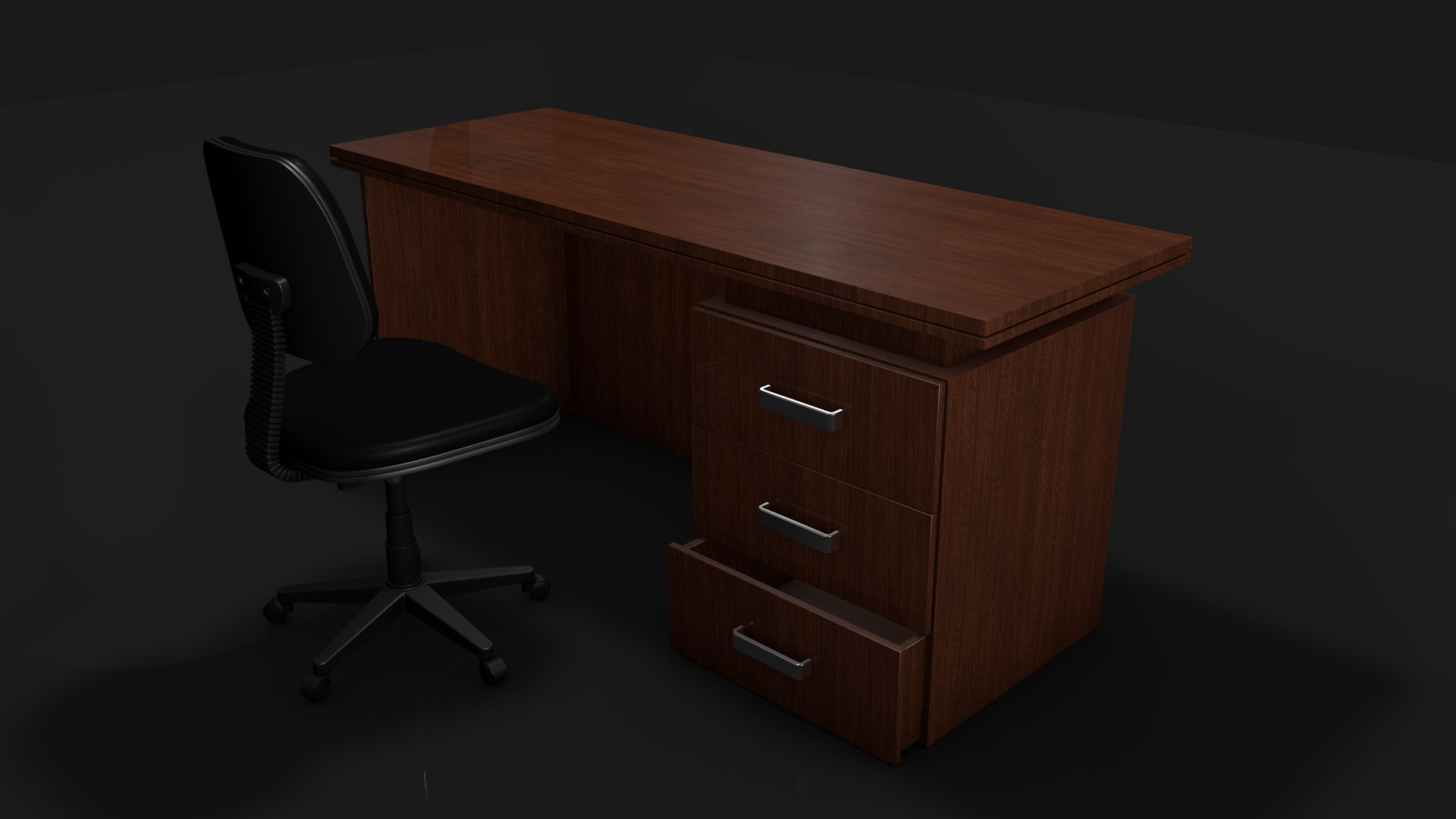
A well-planned office environment can influence productivity, comfort, organization, and the overall impression a business creates. The right Office table provides more than a surface for computers, documents, and daily work. It becomes an important part of the workspace layout, helping employees maintain better organization while supporting a professional atmosphere. From private executive rooms to collaborative work areas, office tables are available in many styles, sizes, materials, and configurations. Choosing the right option depends on the available space, type of work, number of employees, storage requirements, and preferred workplace appearance. A carefully selected table can make a workspace feel organized and practical without making it look crowded.


Choosing The Right Table For Your Workspace
Every workplace has different requirements, so selecting office furniture should begin with an understanding of how the space will be used. A small office may benefit from compact desks that provide sufficient working space without taking up unnecessary floor area. Larger offices can accommodate executive desks, conference tables, workstation tables, and collaborative furniture. The table should provide enough room for essential equipment while leaving sufficient space for employees to move comfortably. Businesses should also consider whether employees need space for monitors, keyboards, files, stationery, and other office equipment. A suitable design allows these items to remain organized rather than creating a cluttered work surface.
The shape of a table can also influence how employees interact with their workspace. Rectangular tables are common because they work well against walls and within traditional office layouts. L-shaped desks can provide additional working space while making good use of corners. Round and oval tables can be useful in meeting areas where communication and collaboration are important. Shared workstation tables can support teams that need to work closely together. By matching the table design with the function of the room, businesses can create a workplace that feels purposeful and comfortable.
Office Tables And Employee Productivity
Furniture has an important role in creating an environment where employees can focus on their responsibilities. A suitable desk height can support a more comfortable working position, while sufficient surface area allows employees to arrange their equipment according to their individual needs. When a workspace is too small or poorly organized, employees may constantly move items around or struggle to find necessary documents. A properly planned workstation can reduce these distractions and help maintain a more orderly routine.
Office tables should also work alongside ergonomic office chairs and other workplace furniture. The height of the table should complement the chair so employees can maintain a comfortable position while working. Monitor placement, keyboard positioning, and available legroom are also important considerations. Businesses that invest in practical office furniture can create a workspace that supports employees throughout the working day. Comfort does not need to come at the expense of appearance, as many modern furniture designs combine professional styling with practical features.
Materials That Suit Modern Offices
The material used in office furniture affects its appearance, durability, maintenance requirements, and overall value. Laminated boards are popular because they are available in many finishes and can be relatively easy to maintain. Engineered wood can provide a professional appearance while offering flexibility in design. Metal components are often incorporated into office furniture for structural support, particularly in workstation frames and table legs. Glass can also be used in selected designs when businesses want a lighter and contemporary appearance.
When selecting materials, businesses should consider the amount of daily use the furniture will receive. A desk used continuously by employees may require a durable surface that can withstand regular movement of computers, stationery, and documents. Meeting room tables may need a different finish because they are primarily used for discussions, presentations, and group activities. Choosing materials according to usage can help extend furniture life and maintain a consistent workplace appearance.
Creating A Better Office Layout
Office furniture should be selected as part of the complete workspace rather than as individual pieces. A large table may look attractive in a showroom but could make a small office feel restricted. Likewise, a very compact desk may leave employees without enough working space in a large corporate environment. Measuring the available area before purchasing furniture helps businesses determine the appropriate dimensions and placement.
Walkways should remain clear, and employees should have enough room to move between workstations. Doors, windows, storage cabinets, electrical outlets, and shared areas should also be considered during planning. A well-organized layout can make an office easier to navigate while creating a balanced appearance. Businesses can combine individual workstations with meeting tables and collaborative areas to support different types of work throughout the day.
Executive And Managerial Office Furniture
Executive offices often require furniture that communicates professionalism while providing practical working space. Larger desks can accommodate computers, documents, meeting materials, and decorative elements without creating an overcrowded surface. Storage features can also be useful for managers who handle paperwork or confidential documents.
The appearance of executive furniture should complement the overall character of the organization. Wood-inspired finishes can create a traditional professional atmosphere, while clean lines and neutral finishes can suit contemporary offices. The goal should be to select furniture that supports daily responsibilities while maintaining a consistent visual identity throughout the workplace.
Tables For Meetings And Collaboration
Meeting rooms require furniture designed around communication. Conference tables provide a central surface for documents, laptops, presentations, and other meeting materials. Their size should correspond with the number of people who regularly use the room. A table that is too large can reduce available movement space, while a table that is too small can make meetings uncomfortable.
Collaborative spaces may benefit from flexible furniture that allows teams to gather for short discussions or group projects. Modular tables can provide additional flexibility because they can sometimes be rearranged according to different activities. This approach is particularly useful for offices where teams frequently change or where the same room serves several purposes.
Storage And Organization Considerations
An organized workspace requires more than a suitable working surface. Employees often need convenient access to documents, stationery, technology accessories, and personal belongings. Some office tables include integrated drawers or storage compartments, while others can be paired with mobile pedestals and filing cabinets.
Keeping frequently used items close to the workstation can make everyday tasks easier. At the same time, excessive storage attached to a desk can make the workspace appear bulky. Businesses should consider which items genuinely need to remain near employees and which can be stored elsewhere. This balance can help maintain a clean and efficient office environment.
Selecting Furniture For Different Business Needs
Startups may prioritize flexible furniture that can adapt as teams expand. Established companies may require standardized workstations across multiple departments. Schools, government offices, healthcare facilities, and professional service firms can each have different requirements regarding durability, privacy, storage, and workspace configuration.
The purchasing process should therefore consider more than appearance and price. Businesses should evaluate dimensions, construction quality, surface finish, maintenance needs, employee comfort, and compatibility with existing furniture. Selecting furniture based on long-term workplace requirements can provide better value than choosing products based solely on their initial cost.
Maintaining A Professional Workspace
Regular maintenance can help office furniture remain presentable for longer. Work surfaces should be cleaned according to the manufacturer's material recommendations, while spills should be addressed promptly. Employees should avoid placing excessively heavy objects on surfaces that are not designed to support them. Loose fittings, damaged edges, and unstable components should also be addressed before they become larger problems.
A consistent maintenance routine protects the appearance of the office and contributes to a more professional environment. Clean and well-maintained furniture can also create a positive impression for clients, visitors, employees, and business partners.
Making A Smart Furniture Investment
Office furniture represents a long-term investment, so businesses should consider how each piece will perform over time. A low-cost option may not always provide the best value if it requires frequent replacement or does not support comfortable working conditions. Similarly, an expensive design may not be appropriate if it does not suit the available space or workplace requirements.
The best approach is to balance functionality, durability, comfort, design, and budget. Businesses can compare different furniture configurations before making a final decision. Considering future growth is also useful, particularly for companies that expect to hire additional employees or reorganize departments.
Conclusion
The right office furniture can help businesses create a workplace that is organized, comfortable, professional, and suitable for everyday activities. From individual workstations to executive rooms and collaborative meeting areas, each furniture choice should support the way employees actually use the space. Careful planning can improve movement, organization, comfort, and the visual consistency of an office without unnecessary complexity. Businesses looking for practical inspiration can explore Modern office table designs to find ideas that balance appearance and workplace functionality. A thoughtful furniture selection process ultimately helps create an office where employees can work efficiently and visitors can experience a professional environment.
What's Your Reaction?