Office Furniture For Productive And Well-Planned Workspaces
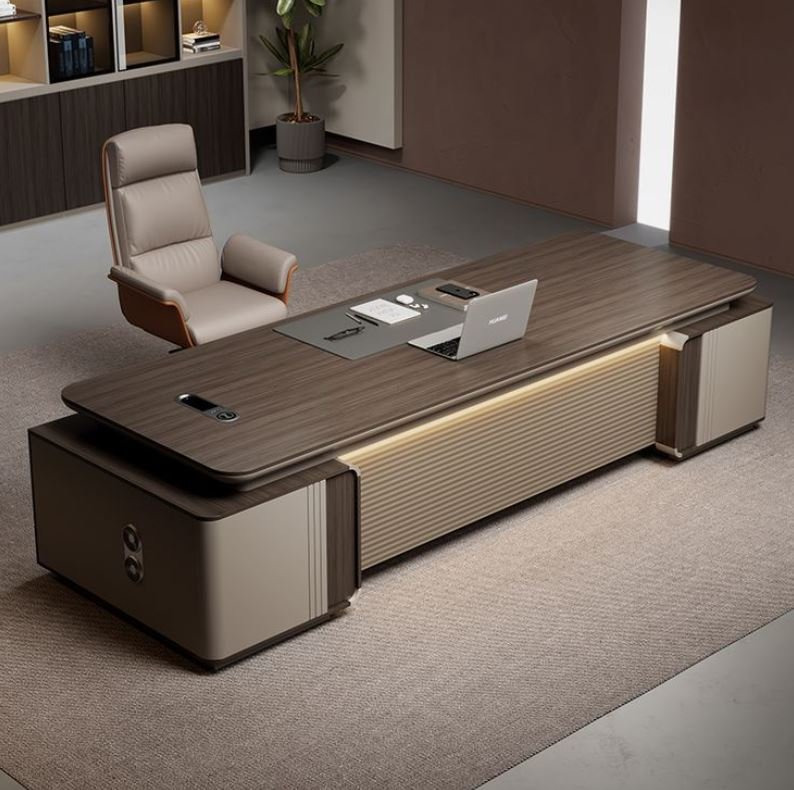
A workplace should be designed around the people who use it and the tasks they perform every day. Office furniture can influence how comfortably employees work, how efficiently teams communicate, and how organized the entire business appears. Desks, chairs, workstations, cabinets, reception counters, and meeting tables all serve different purposes, so each item should be selected with care. A suitable office setup gives employees enough room to complete their responsibilities while helping businesses maintain a clean and professional atmosphere. Instead of choosing furniture only according to appearance or price, companies should look at functionality, comfort, durability, available space, and future requirements. This creates a workplace that remains useful and practical for the long term.


Starting With A Clear Office Plan
Before purchasing new furnishings, businesses should understand how their existing space will be used. Each department may have different requirements based on its daily activities. Employees who spend most of their time working on computers may need spacious desks and supportive chairs, while teams that regularly collaborate may need shared workstations and accessible discussion areas. Managers may require larger desks with additional storage, while reception staff need a counter that provides both workspace and a welcoming presentation. Planning these requirements in advance can prevent businesses from buying products that do not fit their workflow. A clear plan also makes it easier to create a consistent layout throughout the office.
Using Available Space More Efficiently
Good furniture placement can make a significant difference in how an office feels. A room filled with oversized furniture can quickly become difficult to navigate, even when the floor area is reasonably large. Businesses should measure rooms and consider desk dimensions, chair movement, storage requirements, and walking paths before finalizing a layout. Compact furniture can be useful in smaller offices, while larger workplaces can create separate zones for individual work, teamwork, meetings, and reception. Keeping important pathways clear improves movement and gives the workplace a more spacious appearance. Efficient planning allows businesses to accommodate essential furniture without making employees feel restricted.
Supporting Comfortable Daily Work
Employees often spend several hours at their workstations, which makes comfort an important part of workplace planning. Office chairs should offer suitable support and provide adjustment options where possible. Desks should have enough surface area for computers, paperwork, and everyday equipment. The relationship between the chair, desk, and monitor should also allow employees to maintain a comfortable working position. When workstations are poorly arranged, employees may need to constantly adjust their position or reach awkwardly for equipment. A carefully selected setup can make everyday activities more convenient and create a more pleasant environment for staff.
Selecting Workstations According To Team Structure
The arrangement of workstations should reflect how employees interact with one another. Open workstation systems can support quick communication and make efficient use of available space. Partitioned workstations can offer employees greater personal space and reduce distractions. Businesses should consider whether their teams require frequent collaboration, individual concentration, or a mixture of both. Departments can also be arranged according to workflow so employees who work closely together remain nearby. Practical workstation systems can include cable management, integrated storage, and suitable working surfaces, helping employees keep their areas functional and organized.
Giving Storage The Attention It Deserves
An office can become cluttered quickly when employees do not have enough storage. Documents, stationery, files, equipment, and supplies need dedicated locations so they do not occupy valuable working surfaces. Filing cabinets can be used for documents, while shelves and cupboards can accommodate shared materials. Personal storage units can be positioned beside desks for convenient access to frequently used items. Businesses should also consider whether certain records require additional security. Well-planned storage keeps the workplace more orderly and allows employees to find essential materials more easily. It can also improve the appearance of shared spaces by reducing unnecessary items on desks and floors.
Designing A Professional Reception Area
Visitors often form their first impression of a business from the reception area. The furniture in this space should therefore be practical while creating a welcoming atmosphere. A reception counter needs enough room for employees to perform administrative tasks without appearing crowded. Visitor seating should be comfortable and arranged so that entrances and walkways remain accessible. Furniture finishes can be selected to complement the company's branding and interior style. A tidy reception area can create a sense of organization and professionalism before visitors even reach the main office.
Making Meeting Rooms More Functional
Meeting spaces should support communication between employees, managers, clients, and business partners. A properly sized meeting table provides enough room for participants while leaving sufficient space around the seating area. Chairs should be comfortable enough for discussions that may continue for an extended period. Businesses can also consider tables that accommodate laptops, documents, presentation materials, and communication equipment. Flexible meeting furniture can be particularly useful where the same room needs to support different activities. With appropriate planning, one space can function as a meeting room, training area, interview space, or collaborative zone.
Choosing Furniture That Can Handle Regular Use
Workplace furniture needs to withstand frequent daily activity. Desks are used continuously, chairs are moved and occupied repeatedly, and storage units may be opened and closed many times throughout the day. Businesses should therefore examine construction quality before making purchasing decisions. Strong frames, reliable fittings, durable surfaces, and stable designs can contribute to longer product life. Easy maintenance is another useful consideration because furniture should remain presentable despite regular use. Spending more attention on quality during the selection process can help businesses avoid unnecessary replacement costs later.
Creating A Consistent Office Appearance
A well-coordinated office can appear more professional and organized. Furniture does not have to be identical throughout the workplace, but different pieces should complement one another. Desk finishes can coordinate with storage units, while seating styles can match meeting and reception areas. Businesses can choose an interior direction that reflects their brand and workplace culture. Simple, professional finishes can create a calm atmosphere, while more distinctive elements can add personality to selected areas. The most effective designs balance visual consistency with practical requirements.
Preparing For Workplace Changes
Business needs can change as companies expand or reorganize. New employees may join a department, teams may move to different rooms, or companies may introduce new working methods. Flexible furnishings can make these changes easier to manage. Modular workstations can be rearranged, movable storage can be repositioned, and adaptable tables can serve different purposes. Businesses should consider future flexibility when making larger purchases. Choosing furniture systems that can be adjusted over time may help protect the original investment and reduce the need for complete office redesigns.
Keeping The Workplace Easy To Maintain
A practical office should also be easy to clean and maintain. Furniture surfaces should be suitable for regular cleaning, especially in areas that receive frequent use. Desks should remain clear of unnecessary materials, while storage units should provide enough capacity for documents and supplies. Proper furniture placement can make it easier for cleaning staff to reach floors, corners, and shared spaces. Regular maintenance can help preserve furniture quality and keep the office looking professional. Simple cleaning routines and sensible organization can make a noticeable difference in the overall workplace environment.
Considering Cost Beyond The Initial Purchase
Price is naturally important when furnishing a business, but companies should consider the total value of each purchase. Furniture that has a low initial cost may become expensive if it needs frequent repairs or replacement. Businesses should compare durability, materials, comfort, functionality, maintenance, and expected lifespan alongside price. High-use products such as chairs and workstations deserve particular attention because employees interact with them every day. A thoughtful purchasing strategy can help companies achieve a balance between budget requirements and long-term performance.
Supporting A More Efficient Business Environment
A well-designed workplace can make everyday business activities easier to manage. Employees benefit from suitable workstations, comfortable seating, accessible storage, and organized shared areas. Visitors experience a more professional environment, while businesses can make better use of their available space. Office furniture becomes most valuable when every piece has a clear role within the overall layout. Instead of filling rooms with unnecessary products, companies can focus on furnishings that support actual work requirements. This approach can create an office that feels comfortable, organized, and prepared for daily operations.
Making Better Furniture Decisions
Selecting workplace furnishings is an important investment that should be based on practical requirements rather than temporary trends. Businesses should assess the size of their office, number of employees, work activities, storage needs, design preferences, and plans for future growth. Office furniture selected with these factors in mind can provide lasting benefits while supporting a more efficient working environment. A balanced combination of desks, ergonomic seating, workstations, storage, reception furniture, and meeting solutions can help businesses create a complete workplace. For organizations planning an office setup in Cebu, Cebu office furniture den can be considered when exploring suitable options for a functional and professional business environment.
What's Your Reaction?